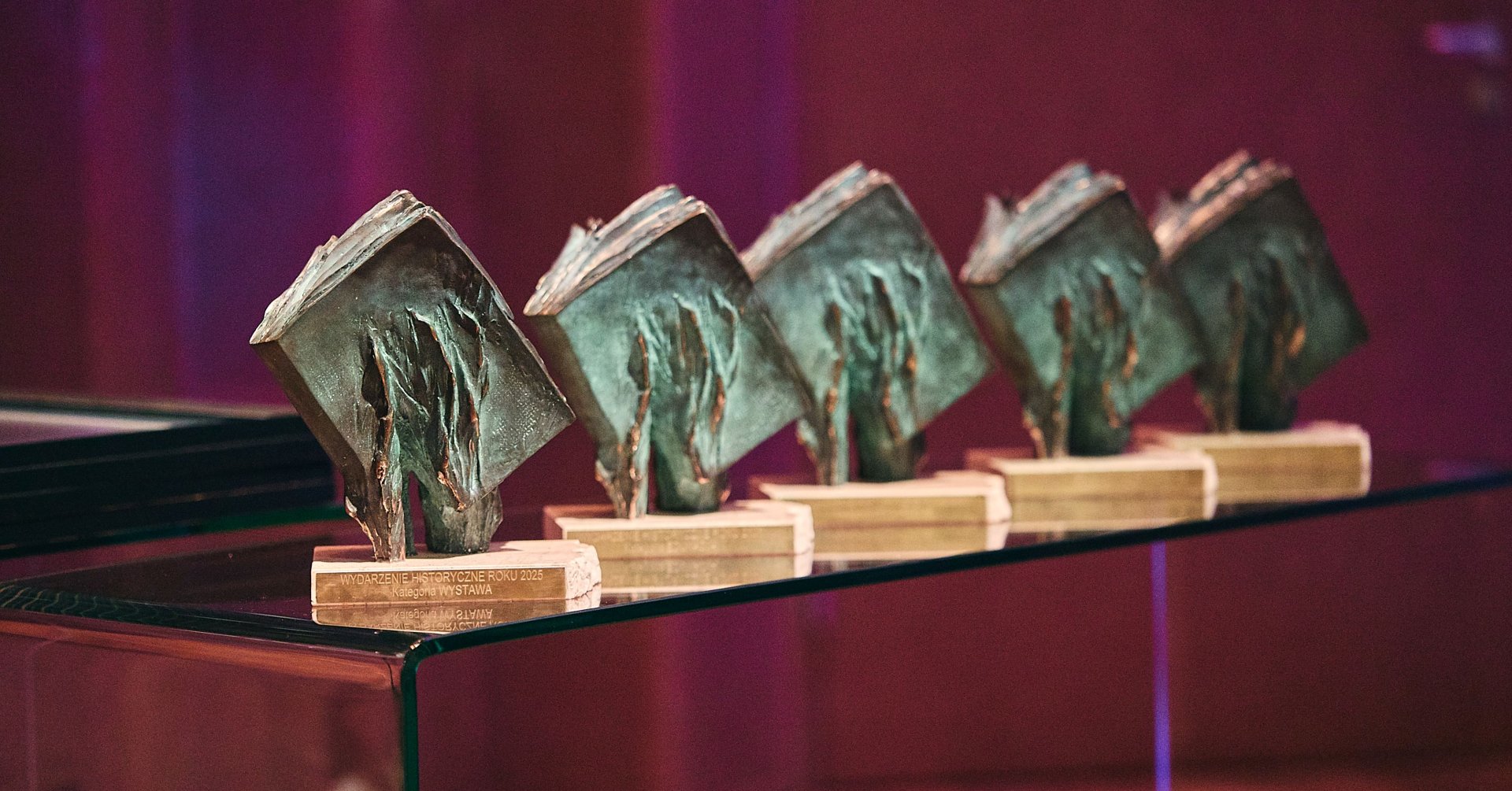
WINNERS
♦ Education category
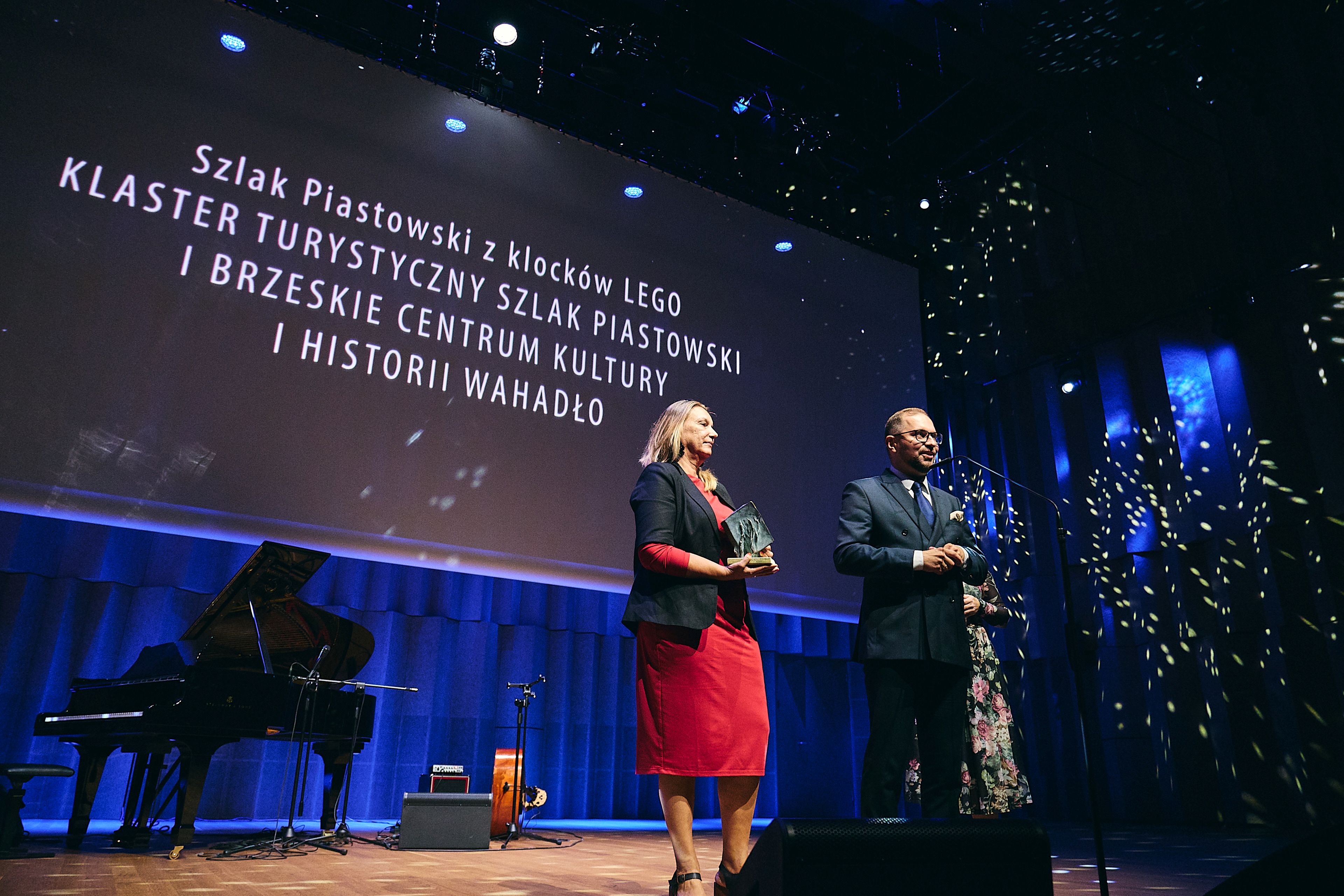
‘The Piast Trail Made of LEGO Bricks’, carried out by the Piast Trail Tourism Cluster/Wahadło Cultural and Historical Centre of Brześć Kujawski, was a project that used LEGO bricks to popularize knowledge about the origins of the Polish state and the heritage of the House of Piast. The travelling exhibition visited 19 towns and cities along the Piast Trail, presenting models of historical sites, including Ostrów Lednicki and the 11th-century Gniezno Cathedral. The exhibition was accompanied by educational panels and workshops during which participants built royal regalia—crowns, sceptres, orbs, and rings.
♦ Event category
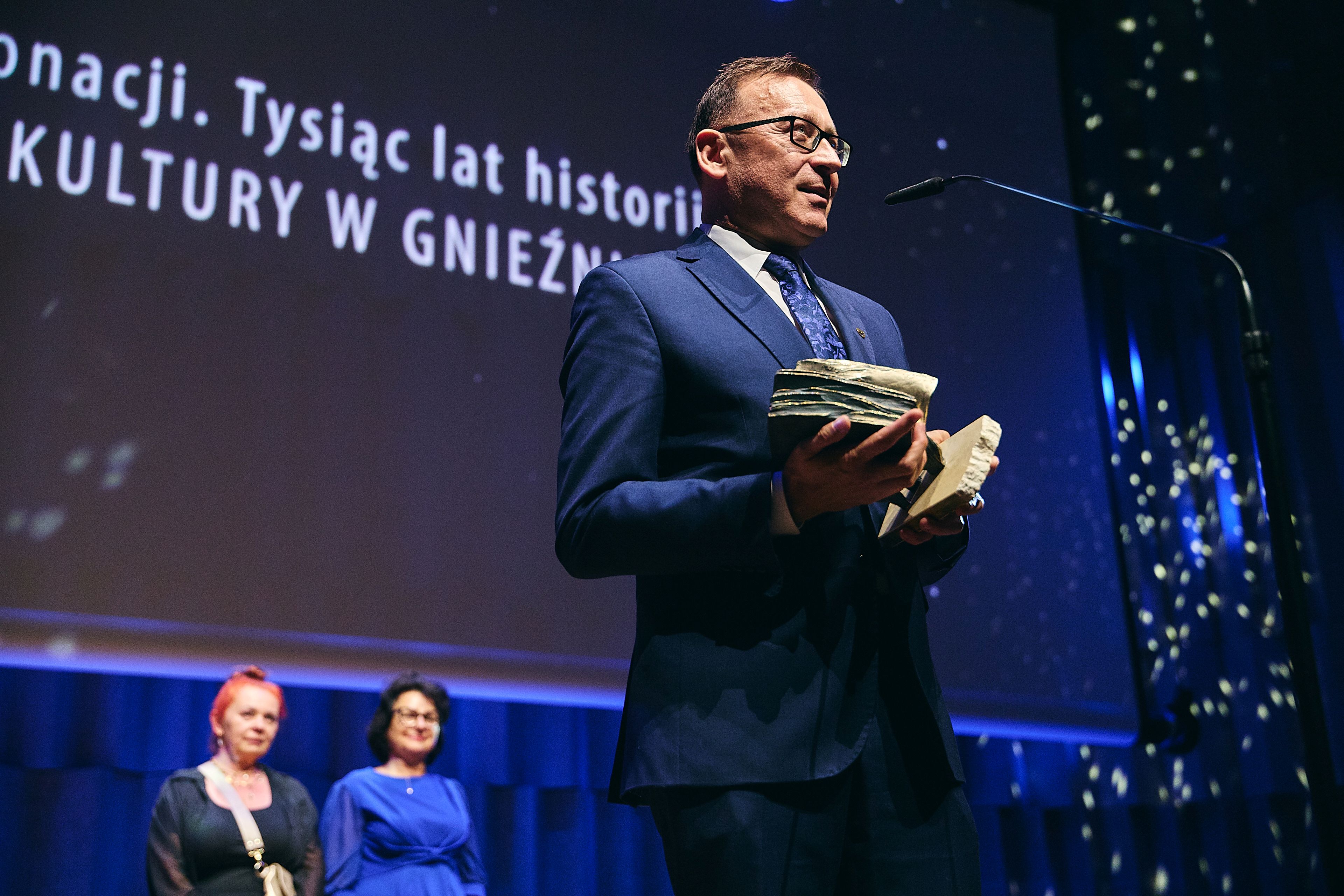
The ‘Gniezno – City of Coronations. A Thousand Years of History’ project, prepared by the Municipal Cultural Centre in Gniezno, formed part of the celebrations marking the 1,000th anniversary of royal coronations. It included, among other events, a craft weekend featuring 12 workshops inspired by medieval techniques, a ‘Medieval Dance Weekend’ in Gniezno’s market square, and an event featuring an interactive medieval village where the youngest participants could discover the world of knights, craftsmen, and townspeople.
♦ Exhibition category
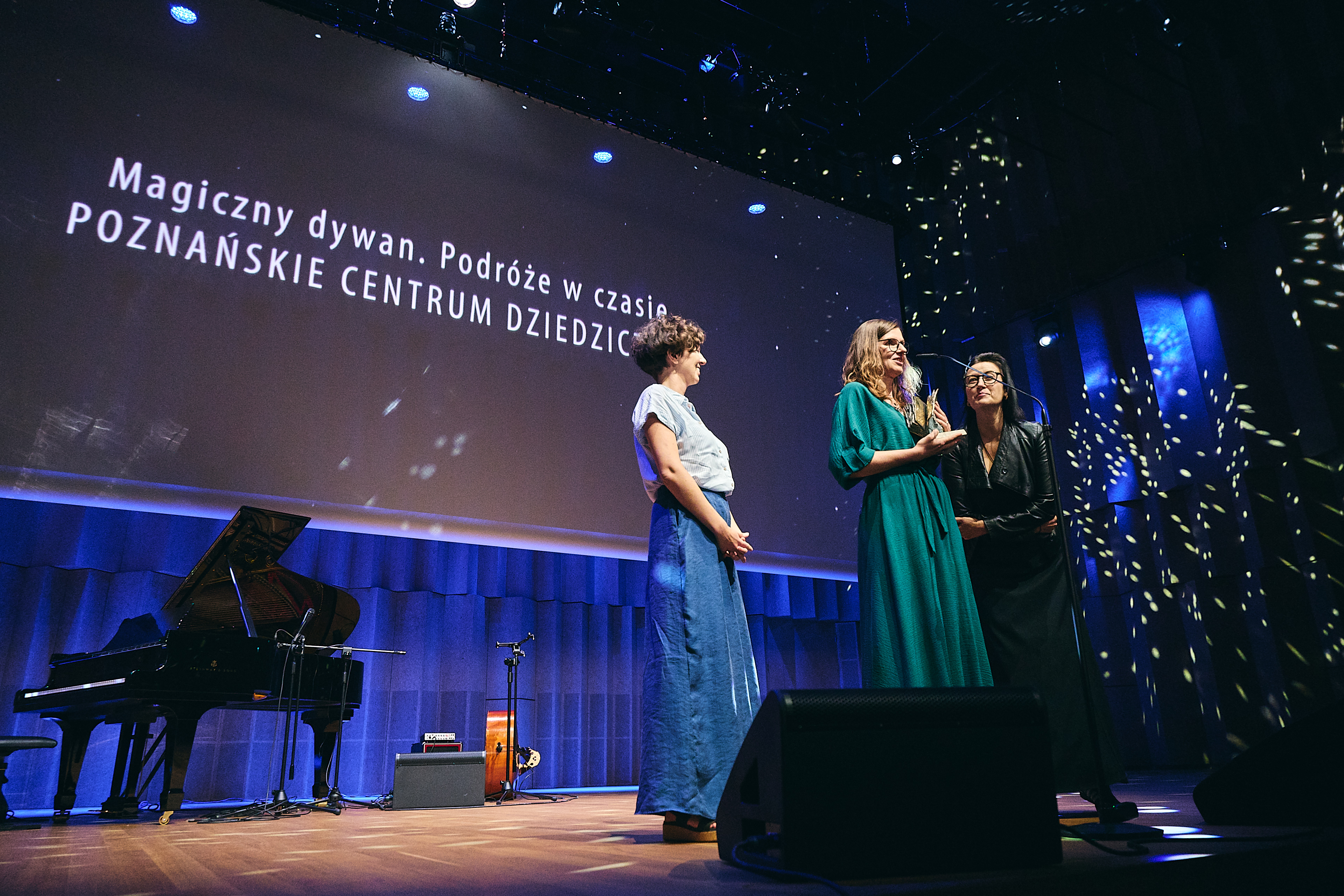
‘Magic Carpet. Journeys Through Time’, prepared by the Poznań Heritage Centre, was an exhibition aimed at families with children aged 3–9. It introduced visitors to the history, culture, and natural environment of Ostrów Tumski in Poznań. Its central theme was a journey on a magic carpet that allowed visitors to travel through time. Visitors could explore, among other things, the medieval settlement of Mieszko I and Dobrawa, discover the natural environment of the Cybina River, and visit Poznań Cathedral. The exhibition was based on the illustrated children’s book Magic Carpet. Stories from Ostrów Tumski.
Jury Award
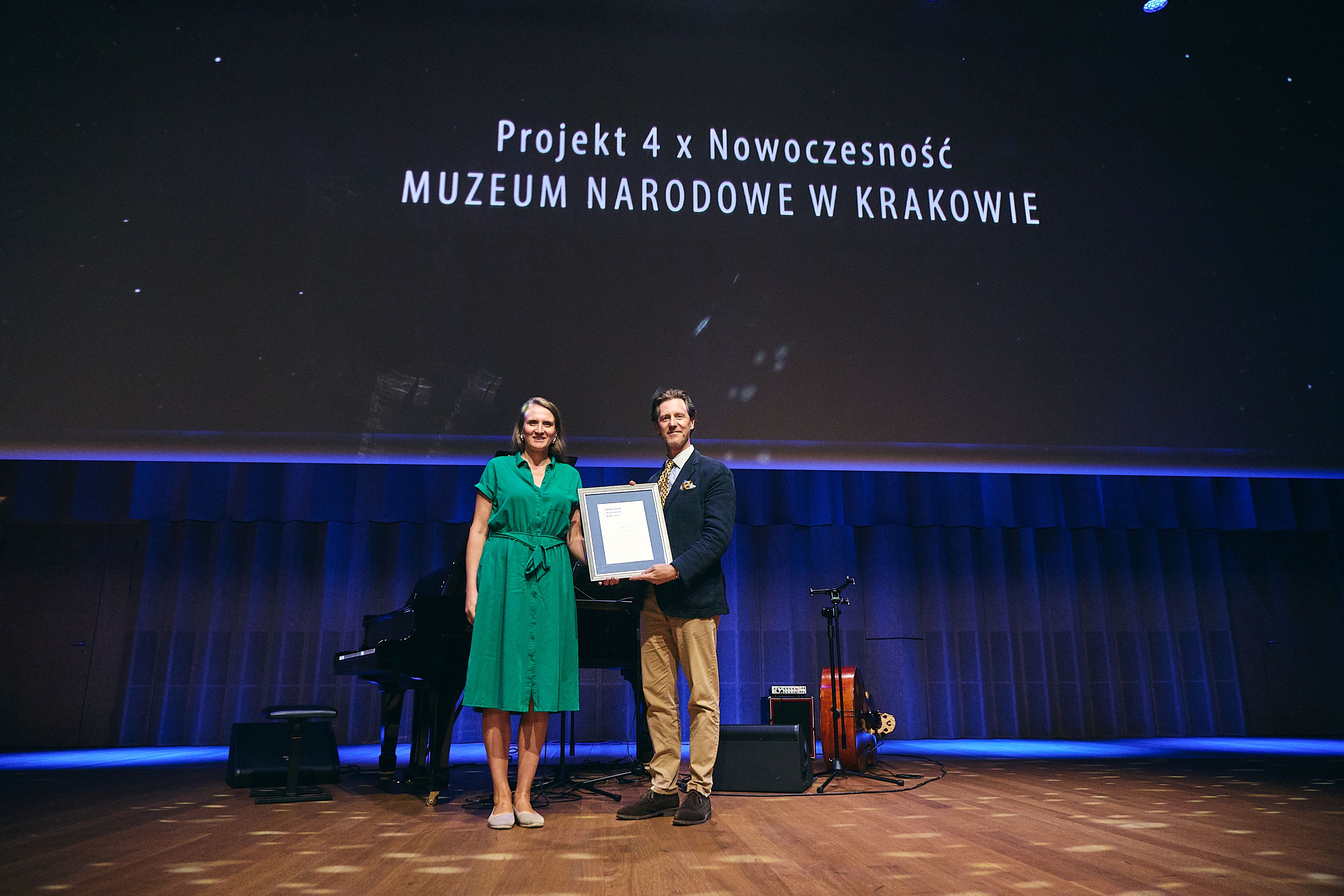
‘4 × Modernity’ – Between 2020 and 2025, the National Museum in Kraków carried out a project comprising four exhibitions devoted to Polish modernity: ‘Polish National Styles 1890–1918,’ ‘A New Beginning. Modernism in the Second Polish Republic,’ ‘Regulated Modernity. Modernism in the Polish People’s Republic,’ and ‘Transformations. Modernity in the Third Polish Republic.’ The exhibitions were accompanied by catalogues, academic conferences featuring researchers from Poland and abroad, archival research, conservation work, as well as educational and promotional programmes. The project explored how modernity was interpreted in Polish art, design, and architecture in the 20th and 21st centuries.
Special Award of the Polish History Museum
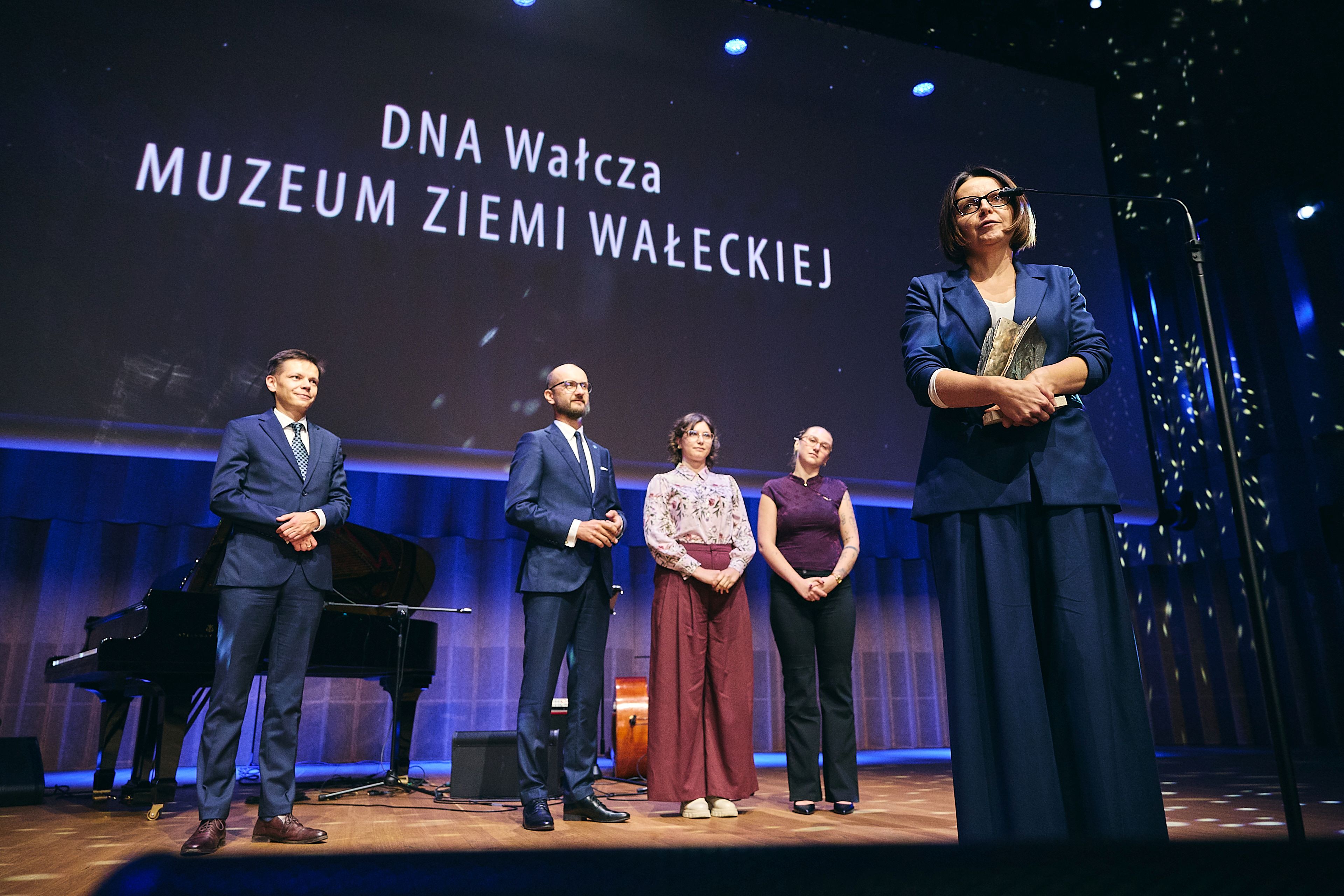
‘The DNA of Wałcz’ – This permanent exhibition at the Wałcz Land Museum tells the story of the post-war life of the Wałcz region and its inhabitants, who came here after the Second World War from different places and for different reasons. They included, among others, repatriates from Poland’s eastern borderlands, Gulag survivors and deportees to Siberia, soldiers returning from the fronts, former concentration camp prisoners, and people resettled as part of Operation Vistula. The material for the exhibition was gathered, among other ways, through meetings with residents of Wałcz County and their descendants. Nearly 2,000 objects and several dozen hours of recorded interviews were collected. Based on this material, an exhibition consisting of eight modules was created, accompanied by publishing, curatorial, educational, and community programmes.
FINALISTS
♦ Event category
◊ ‘The Courage of an Outstretched Hand’ – Memory and Future Centre
Commemorations of the 60th anniversary of the Polish bishops’ Letter of Reconciliation to their German counterparts, including exhibitions, an academic debate, a concert, and initiatives promoting Polish-German dialogue.
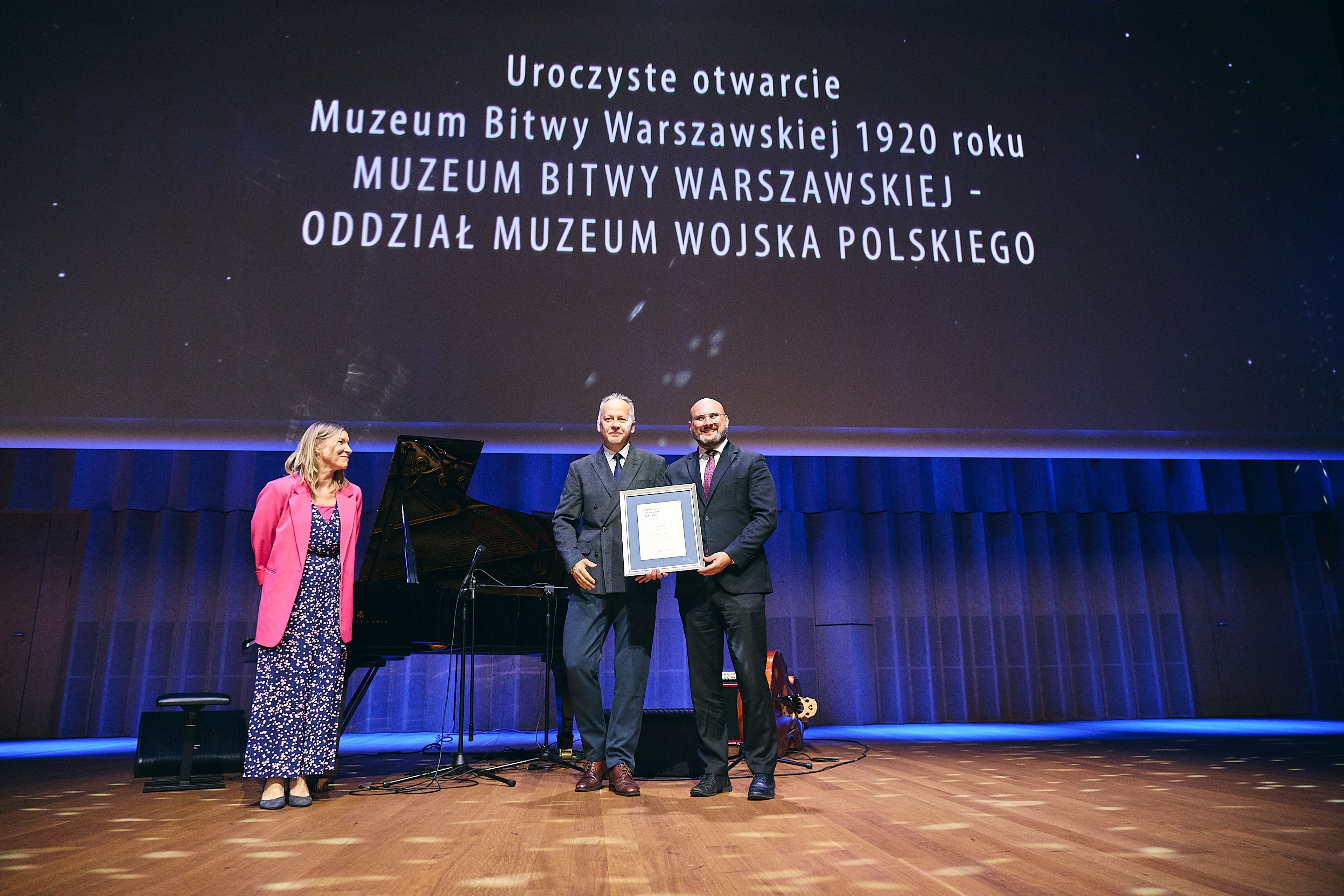
◊ Opening of the Museum of the Battle of Warsaw of 1920 – Museum of the Battle of Warsaw of 1920 / Polish Army Museum
◊ Official Opening of the New Museum in Ossów – a historical re-enactment, concert, and military picnic.
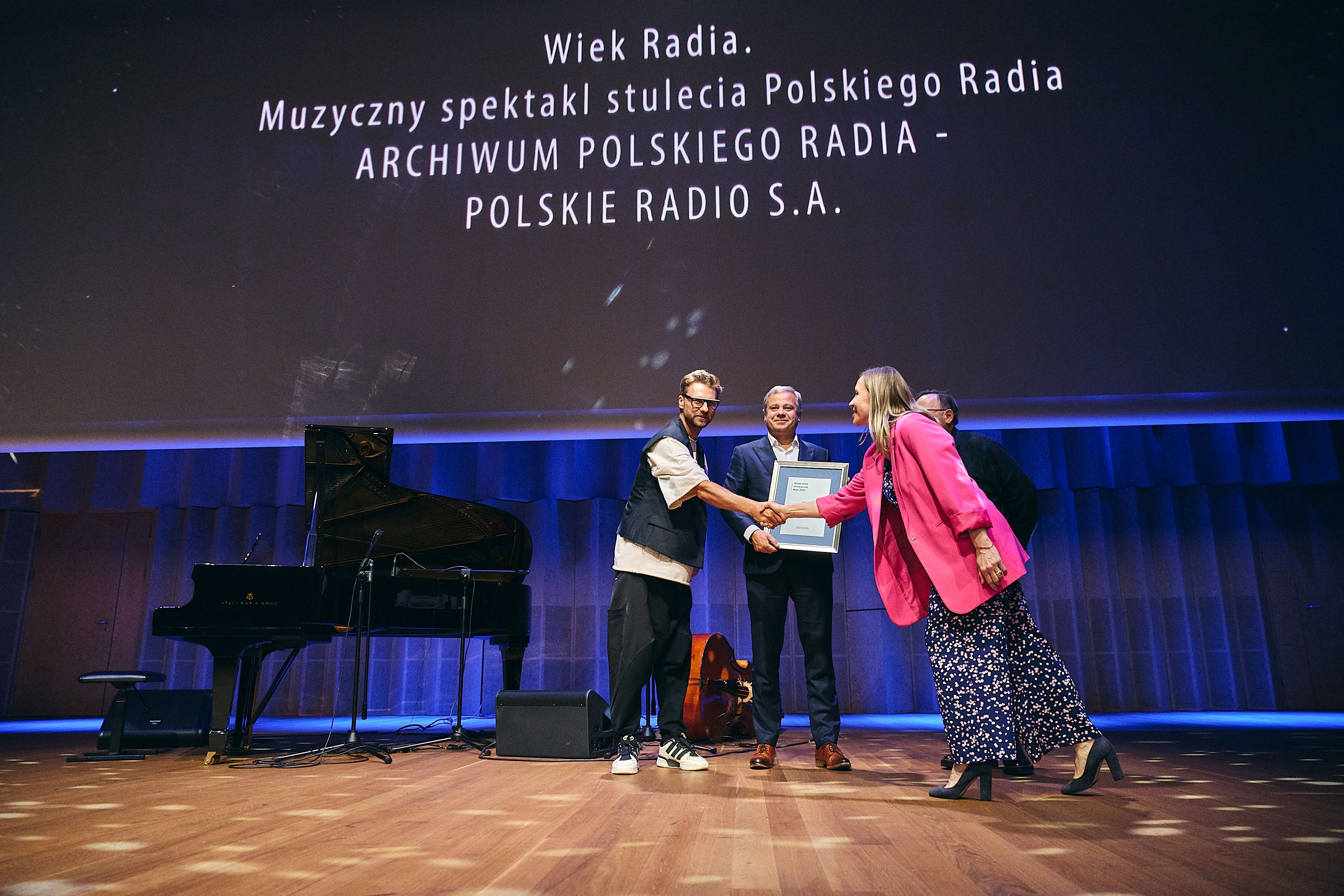
◊ ‘The Age of Radio’ – Polish Radio
A multimedia performance telling the history of Poland through the lens of one hundred years of Polish Radio. The production featured archival recordings, live music, and animation.
♦ Exhibition Category
◊ ‘Fauna. Animals at War and Their People’ – Museum of the Second World War
An exhibition and educational programme presenting the experience of the Second World War from the perspective of animals and the relationship between humans and nature.
◊ ‘Let Them See Us! Image, Dress, Body’ – Royal Castle in Warsaw – Museum
An exhibition exploring the role of clothing and personal image in shaping social identity. It brought together historical artefacts, fashion, and contemporary art.
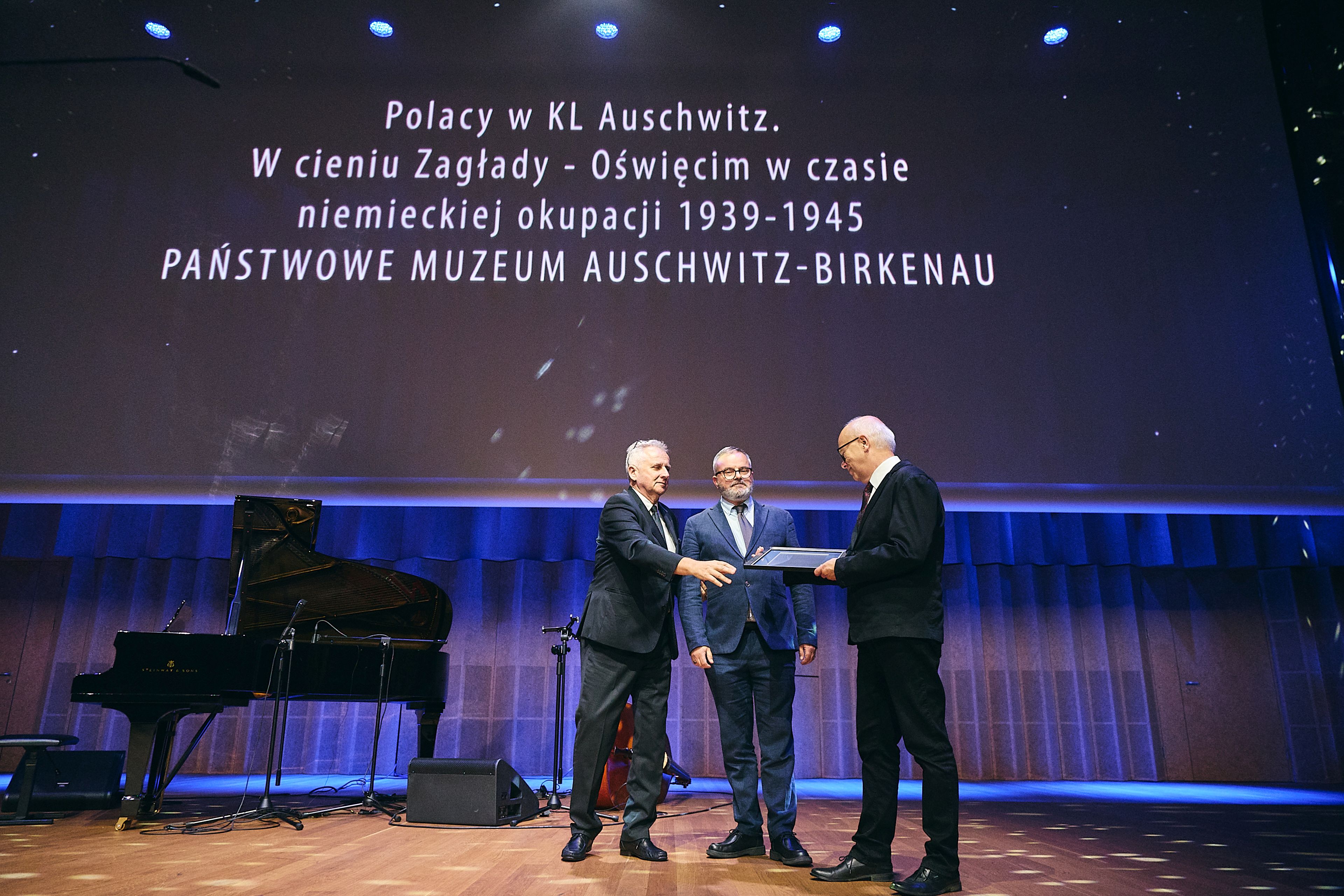
◊ ‘Poles at KL Auschwitz. In the Shadow of the Holocaust’ – Auschwitz-Birkenau State Museum
A new exhibition devoted to the experiences of Poles imprisoned at KL Auschwitz and the inhabitants of Oświęcim during the occupation. It presents both the scale of the repression and the assistance provided to prisoners.
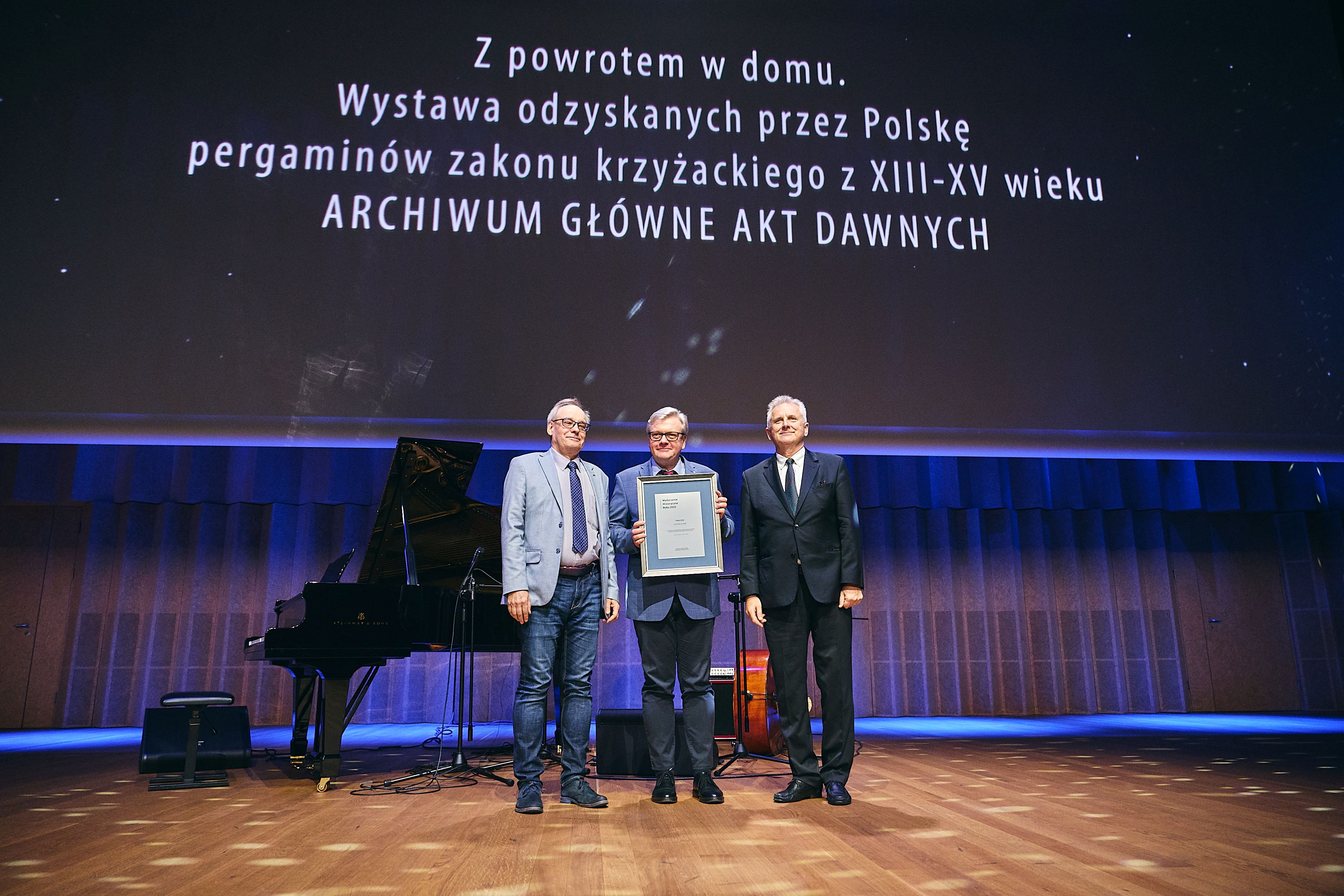
◊ ‘Back Home’ – Central Archives of Historical Records
An exhibition of medieval documents concerning Polish–Teutonic relations that were recovered after many years. The exhibition presented priceless parchments returned to Poland from Berlin.
♦ Education Category
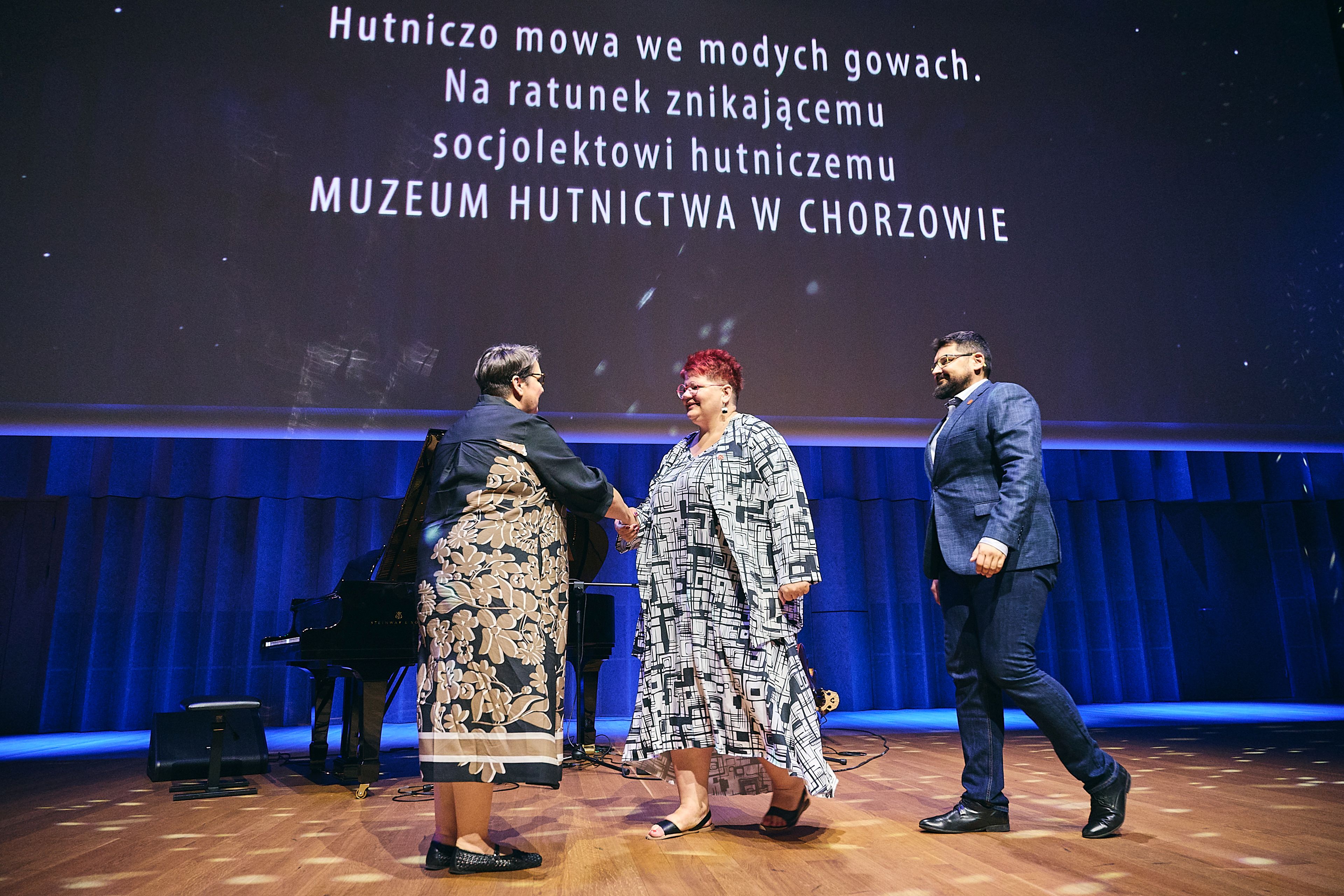
◊ ‘Hutniczo mowa we modych gowach. Saving the Disappearing Metallurgical Sociolect’ – Chorzów Museum of Metallurgy
A project encouraging the younger generation to help preserve the metallurgical sociolect from being forgotten.
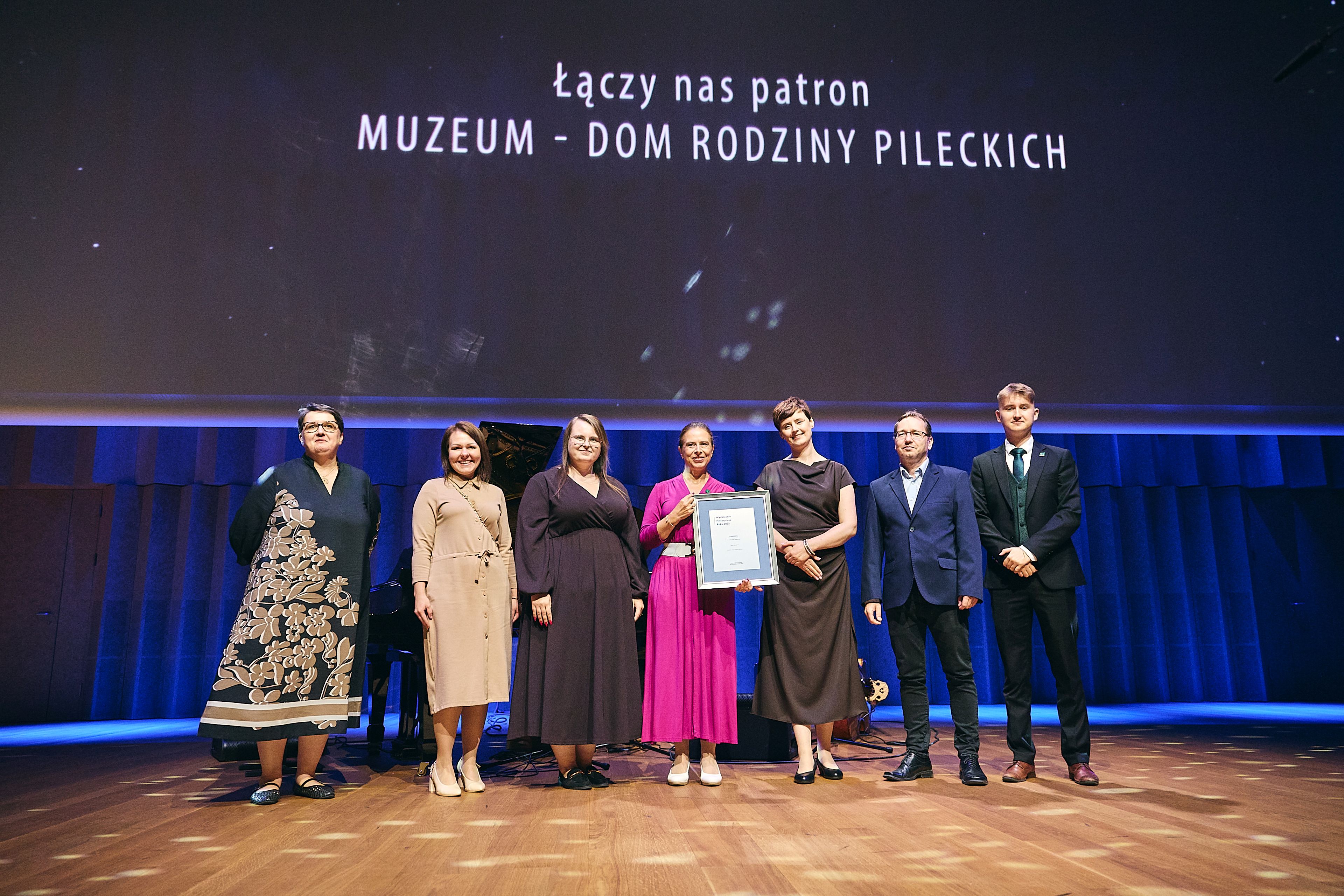
◊ ‘Our Patron Unites Us’ – Witold Pilecki Family House Museum
A nationwide programme bringing together schools, institutions, and communities bearing the name of Cavalry Captain Witold Pilecki.
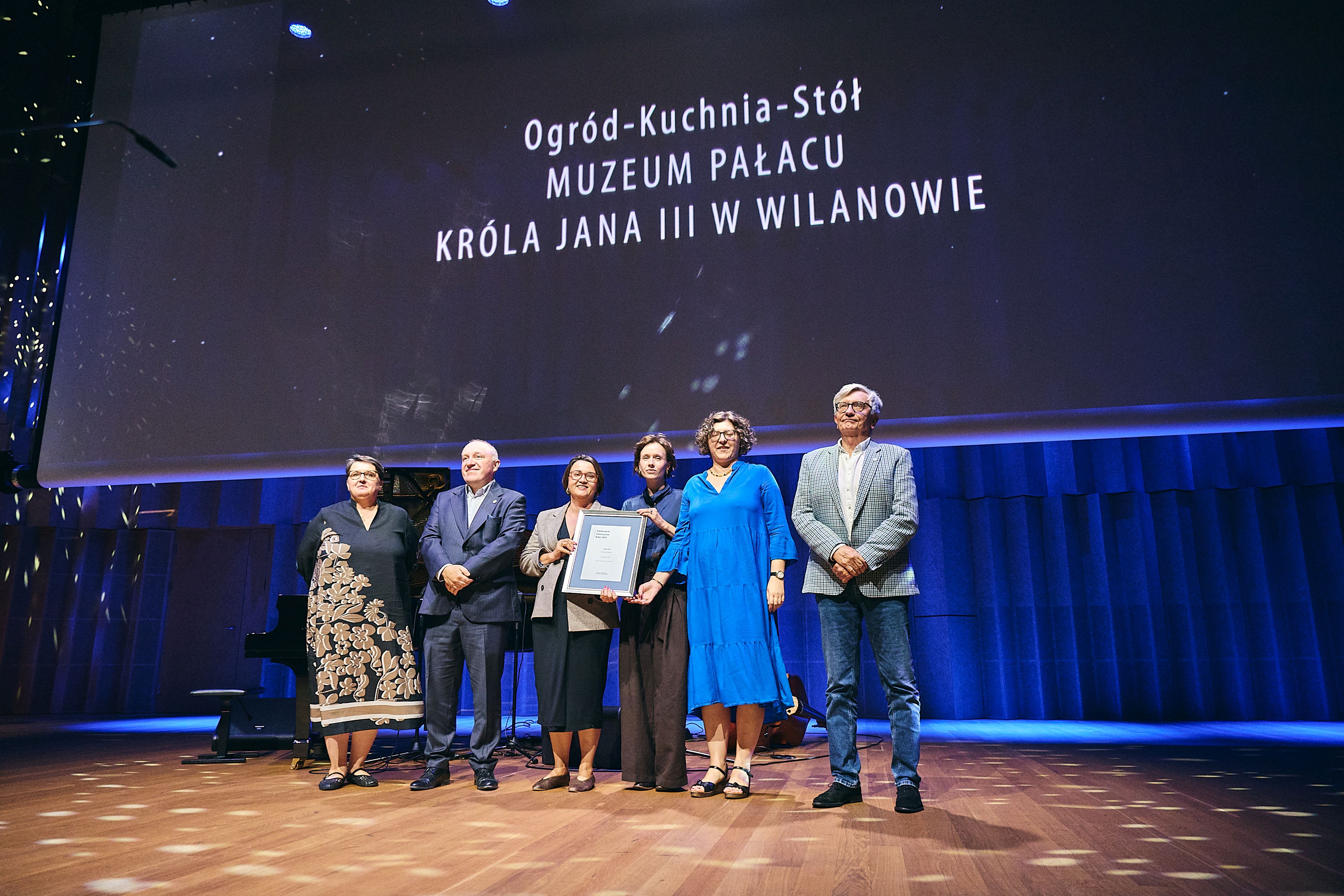
◊ ‘Garden – Kitchen – Table 2025’ – Museum of King Jan III’s Palace at Wilanów
A reconstructed kitchen garden hosted culinary, gardening, and beekeeping workshops promoting traditional practices and recipes.
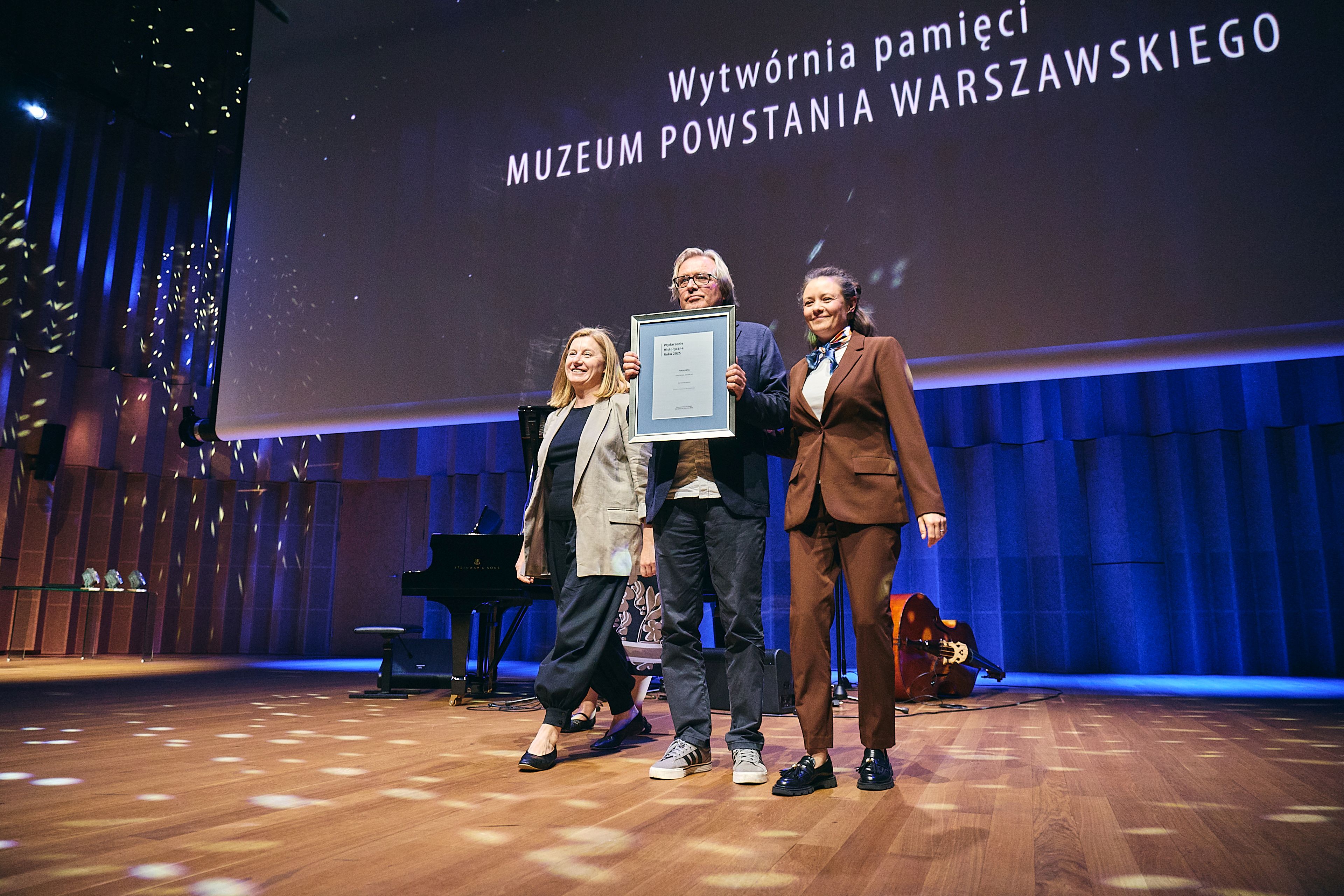
◊ ‘Memory Factory’ – Warsaw Uprising Museum
A project encouraging young people to record the memories of witnesses to history using a mobile application. The result is a unique archive of testimonies from older generations.
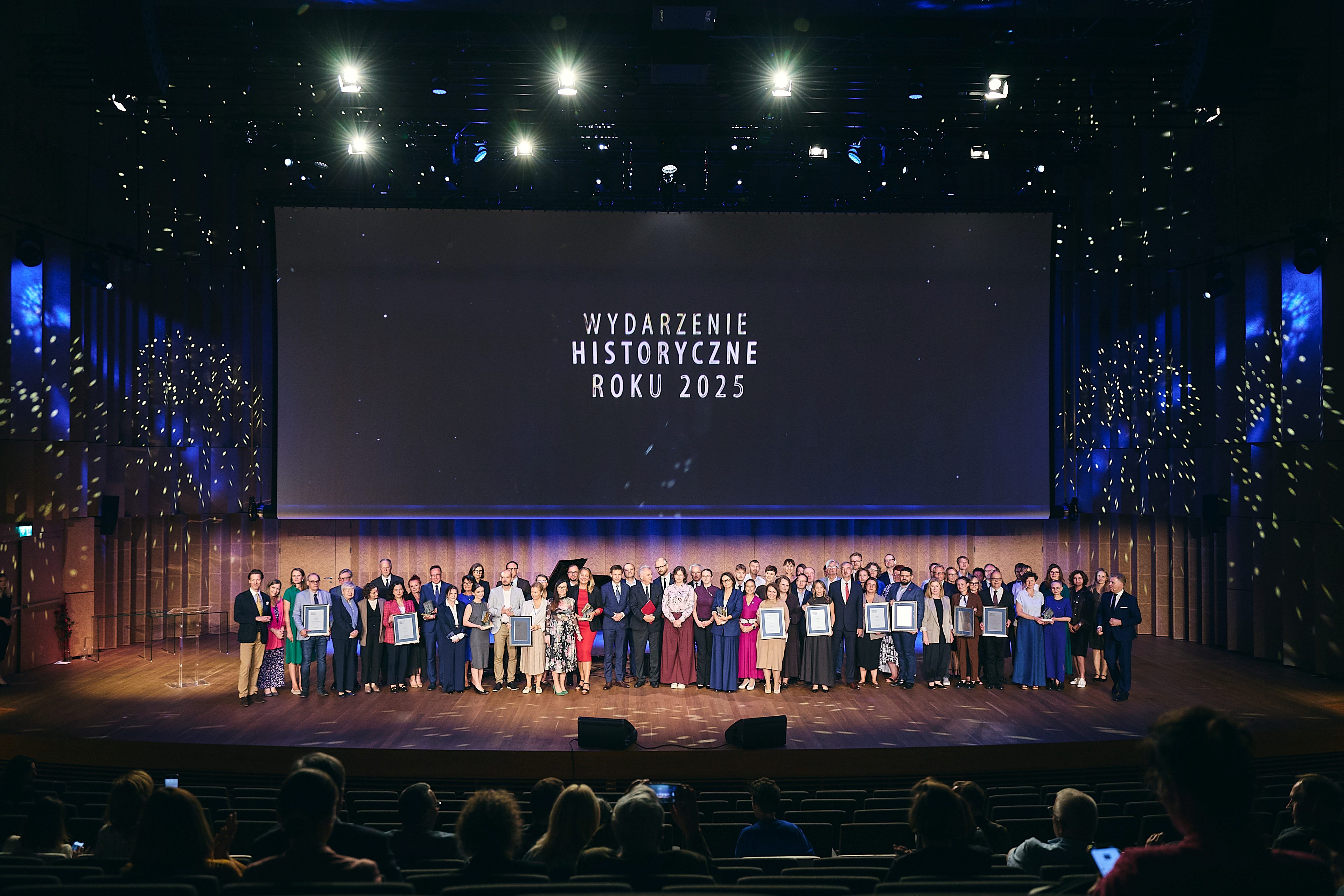
The final fifteen were selected by the Competition Committee, comprising: Professor Jolanta Choińska-Mika – Chair of the Jury (University of Warsaw, member of the Polish History Museum Council); Wojciech Duch (editor-in-chief of the historia.org.pl online outlet); Mariusz Cieślik (journalist, including for Rzeczpospolita Plus Minus, prose writer, television programme creator, screenwriter, and director); Dr Marek Mutor (Deputy Director of the Ossolineum National Institute in Wrocław); Rafał Rogulski (Director of the European Network Remembrance and Solidarity); and Gabriela Sierocińska-Dec (Deputy Director of the Polish History Museum for Participation).
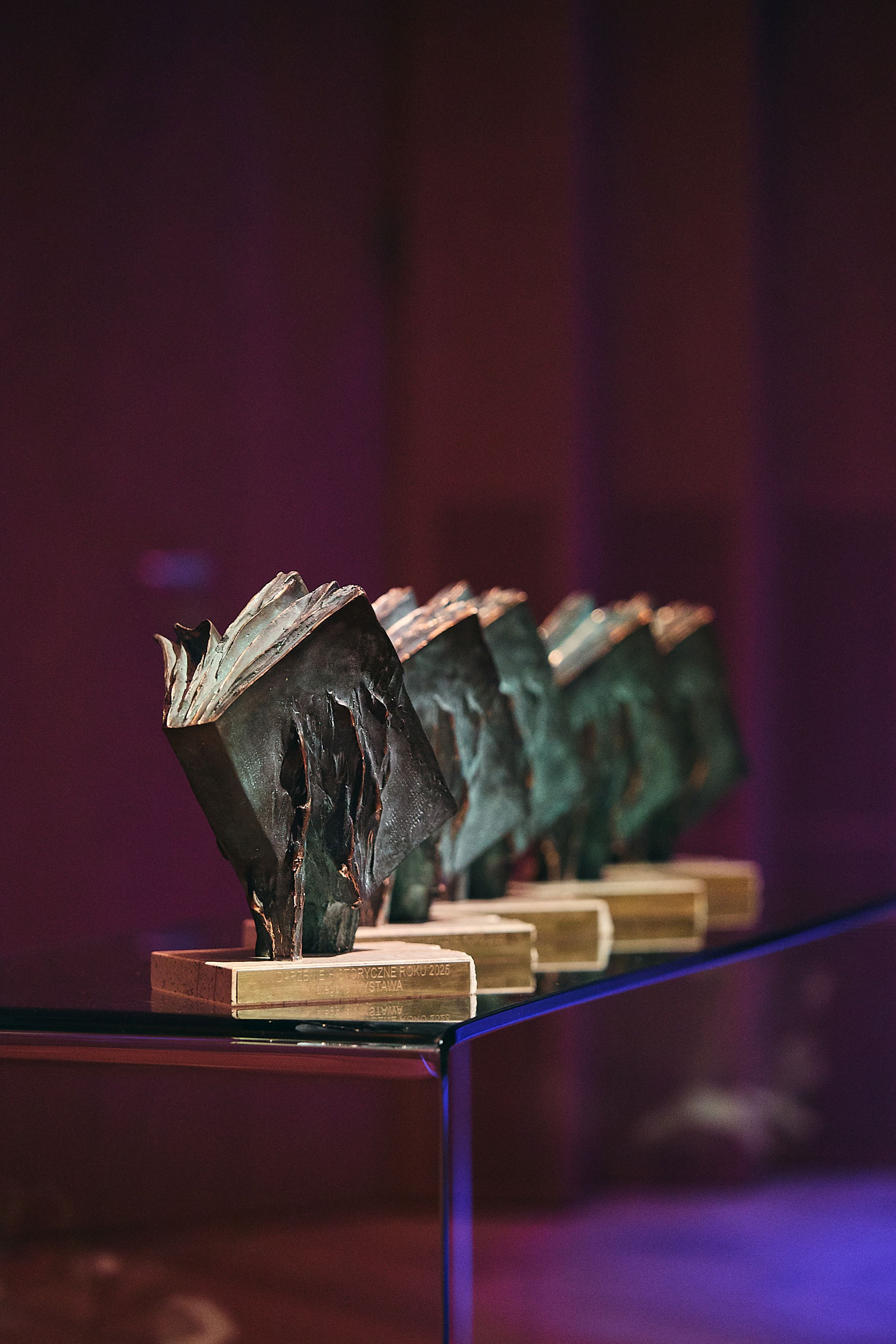
The statuette was designed by the renowned Kraków sculptor Maciej Zychowicz, while the graphic designs were created by the acclaimed artist Dr Ryszard Kajzer of Zerkaj Studio.
♦ Partners and Patrons
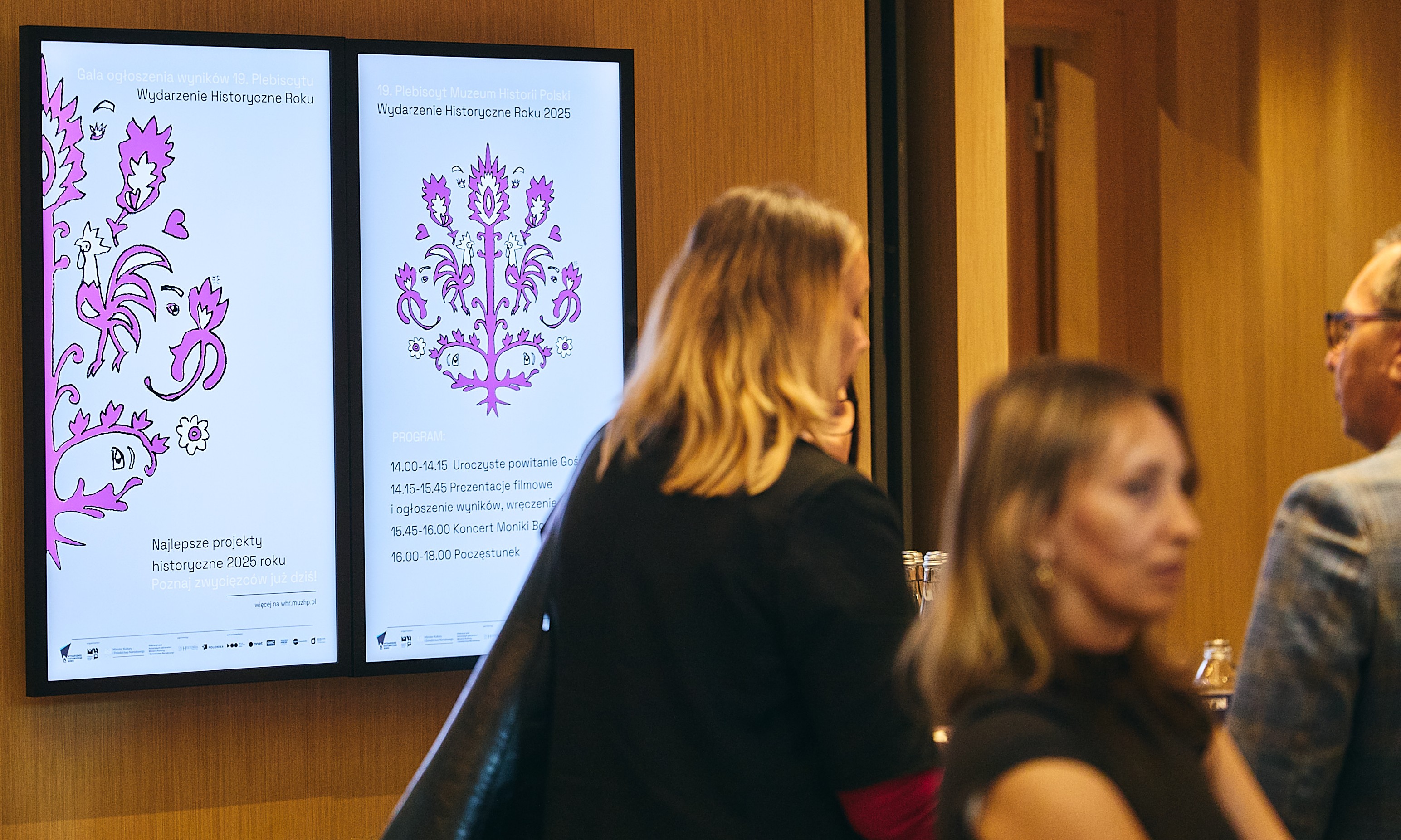
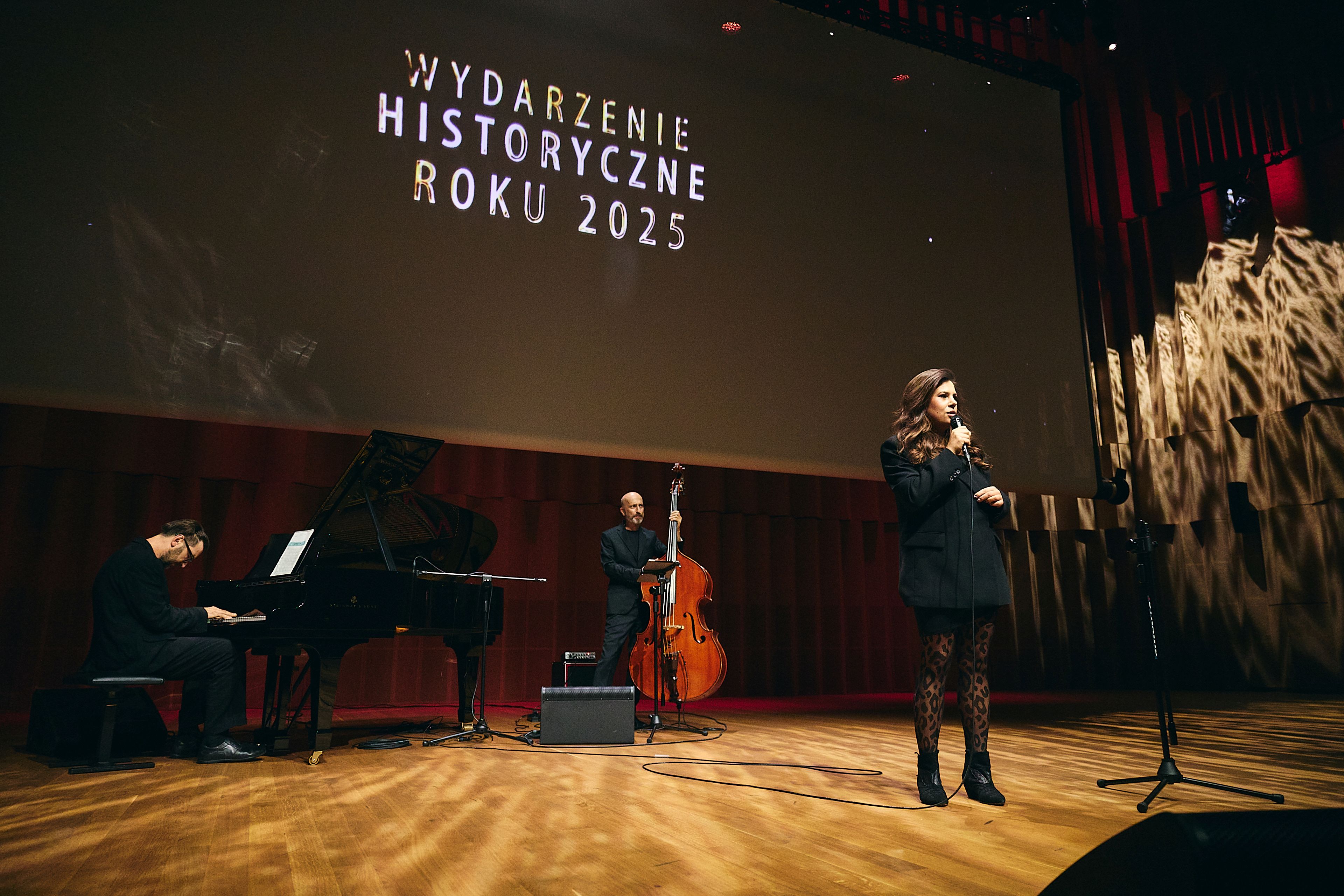
The ‘Historical Event of the Year 2025’ public vote was held under the honorary patronage of Marta Cienkowska, Minister of Culture and National Heritage.
Partners of the public vote:
historia.org.pl, National Institute of Polish Cultural Heritage Abroad – POLONIKA.
Media patrons:
Polish Radio, dzieje.pl, Onet.pl, Polska Press Group, naszemiasto.pl, Gość Niedzielny.
 03/09/26 - 06/12/26
'What are we queuing