

Temporary
'What are we queuing
here for?'
The Polish People's Republic
Reflected in Music
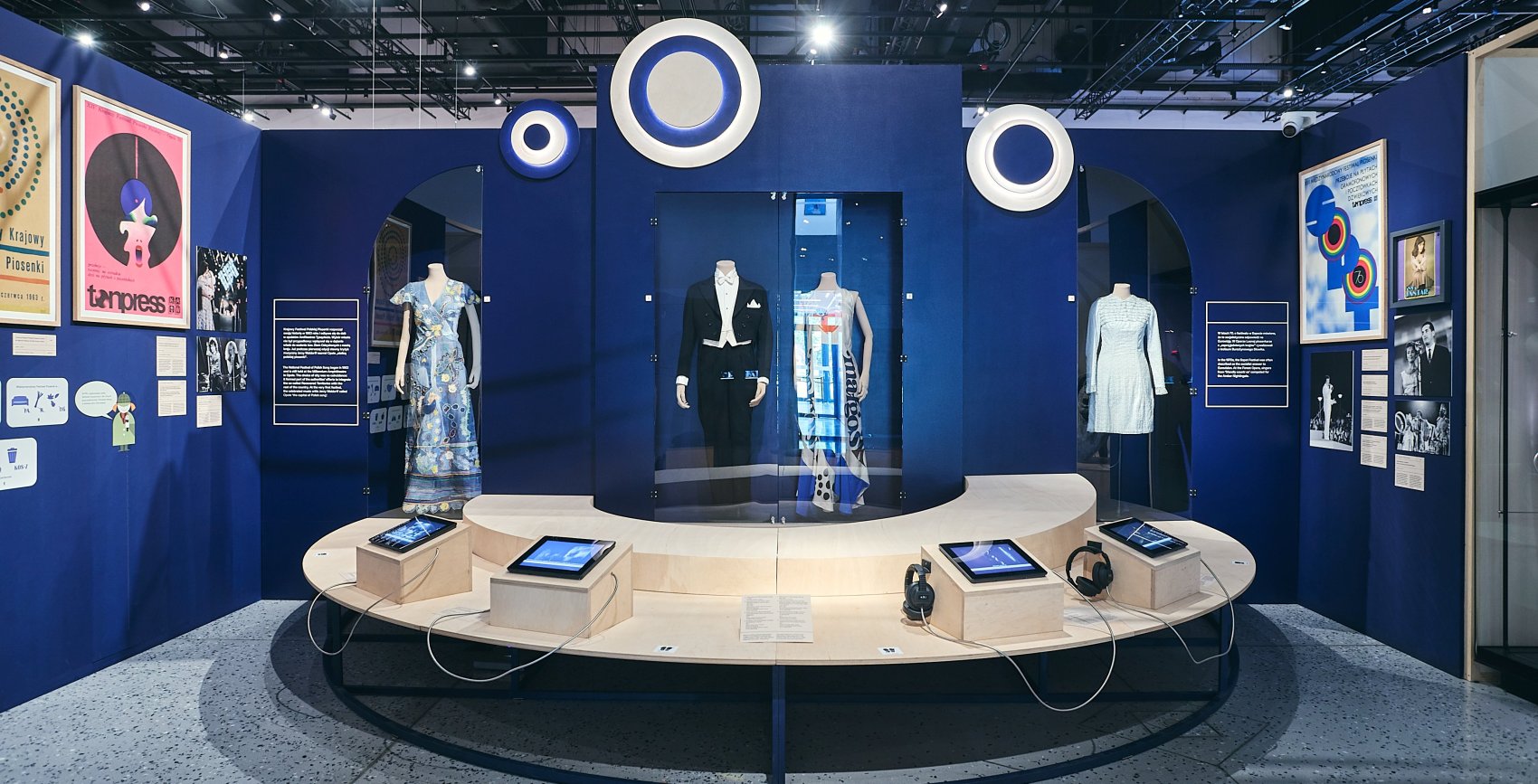
The exhibition will be an attempt to view the history of the Polish People’s Republic (PRL) through the lens of popular music from 1944–1989. Its main goal will be to show music as a space where different social reactions to the communist system will manifest themselves — from active support, through passive acceptance, to various forms of contestation or attempts to influence reality.
Key information
01. When?
From:
03/09/2026
To:
06/12/2026
02. Where?
Polish History Museum
03. Curator of the exhibition
Krzysztof Banach, Marek Stremecki, Tomasz Toborek, Joanna Hübner-Wojciechowska
04. Ticket prices
od 10 zł
Tickets and Opening Hours
During the run of the temporary exhibition 'What are we queuing here for?' The Polish People's Republic Reflected in Music (3 September–6 December 2026), the Polish History Museum will also be open to visitors on Mondays. We invite you to visit the Museum six days a week.
Opening Hours:
♦ Monday: 10:00 am–6:00 pm
♦ Tuesday: Closed to visitors
♦ Wednesday: 10:00 am–6:00 pm
♦ Thursday: 10:00 am–6:00 pm
♦ Friday: 10:00 am–6:00 pm — Free admission
♦ Saturday: 10:00 am–7:00 pm
♦ Sunday: 10:00 am–7:00 pm
The last entry to the 'What are we queuing here for?' exhibition is one hour before the Museum closes.
Tickets:
♦ Regular ticket: PLN 20
♦ Reduced ticket: PLN 10
♦ Family ticket: PLN 30 (ticket for 1 or 2 adults + children, up to a maximum of 6 people)
♦ Group ticket (minimum 10 people): PLN 15 per person
Tickets are available at the Museum ticket office or online.
>>> BUY A TICKET FOR THE EXHIBITION
♦ The exhibition is available in Polish and English.
Opening Hours:
♦ Monday: 10:00 am–6:00 pm
♦ Tuesday: Closed to visitors
♦ Wednesday: 10:00 am–6:00 pm
♦ Thursday: 10:00 am–6:00 pm
♦ Friday: 10:00 am–6:00 pm — Free admission
♦ Saturday: 10:00 am–7:00 pm
♦ Sunday: 10:00 am–7:00 pm
The last entry to the 'What are we queuing here for?' exhibition is one hour before the Museum closes.
Tickets:
♦ Regular ticket: PLN 20
♦ Reduced ticket: PLN 10
♦ Family ticket: PLN 30 (ticket for 1 or 2 adults + children, up to a maximum of 6 people)
♦ Group ticket (minimum 10 people): PLN 15 per person
Tickets are available at the Museum ticket office or online.
>>> BUY A TICKET FOR THE EXHIBITION
♦ The exhibition is available in Polish and English.
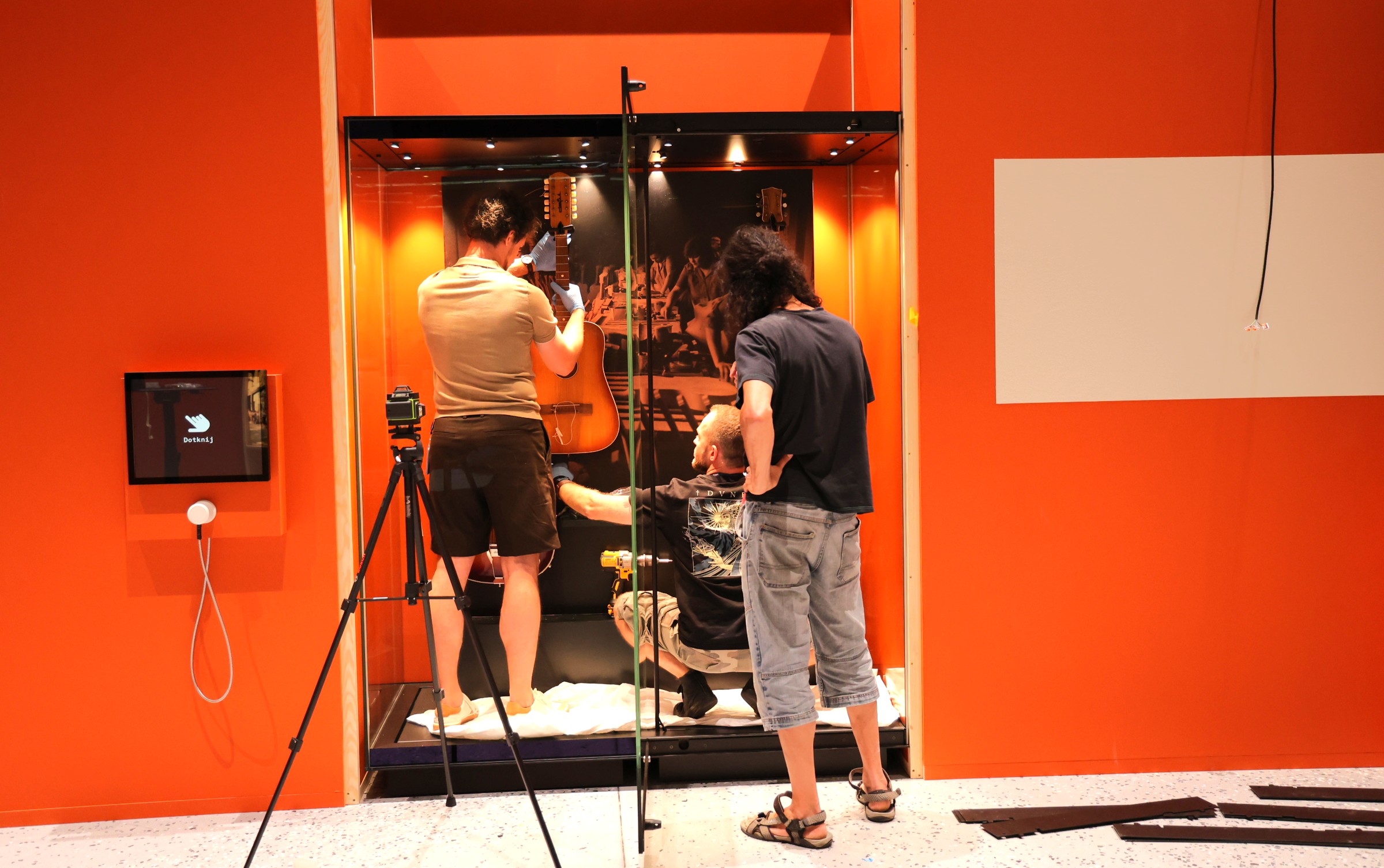
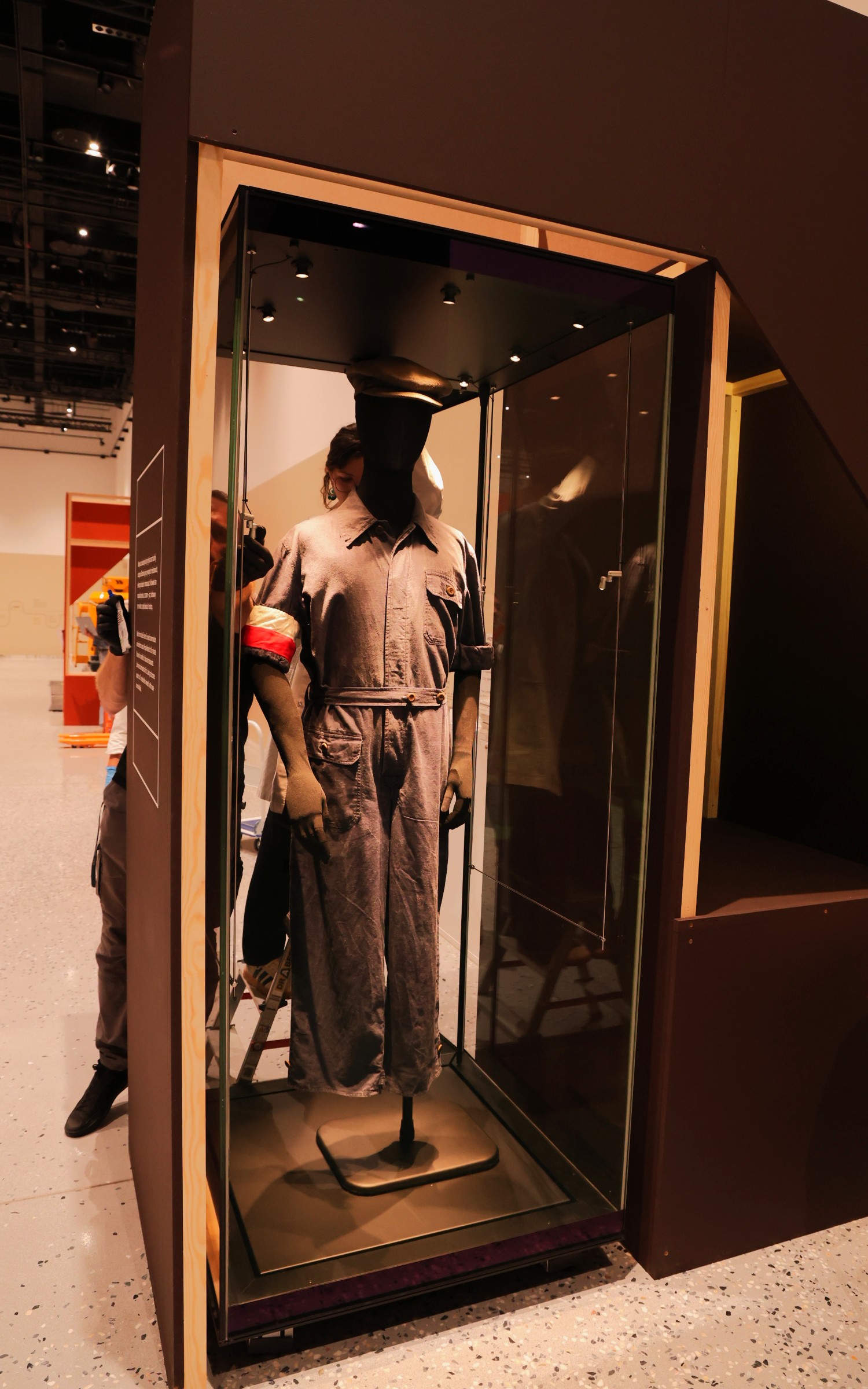

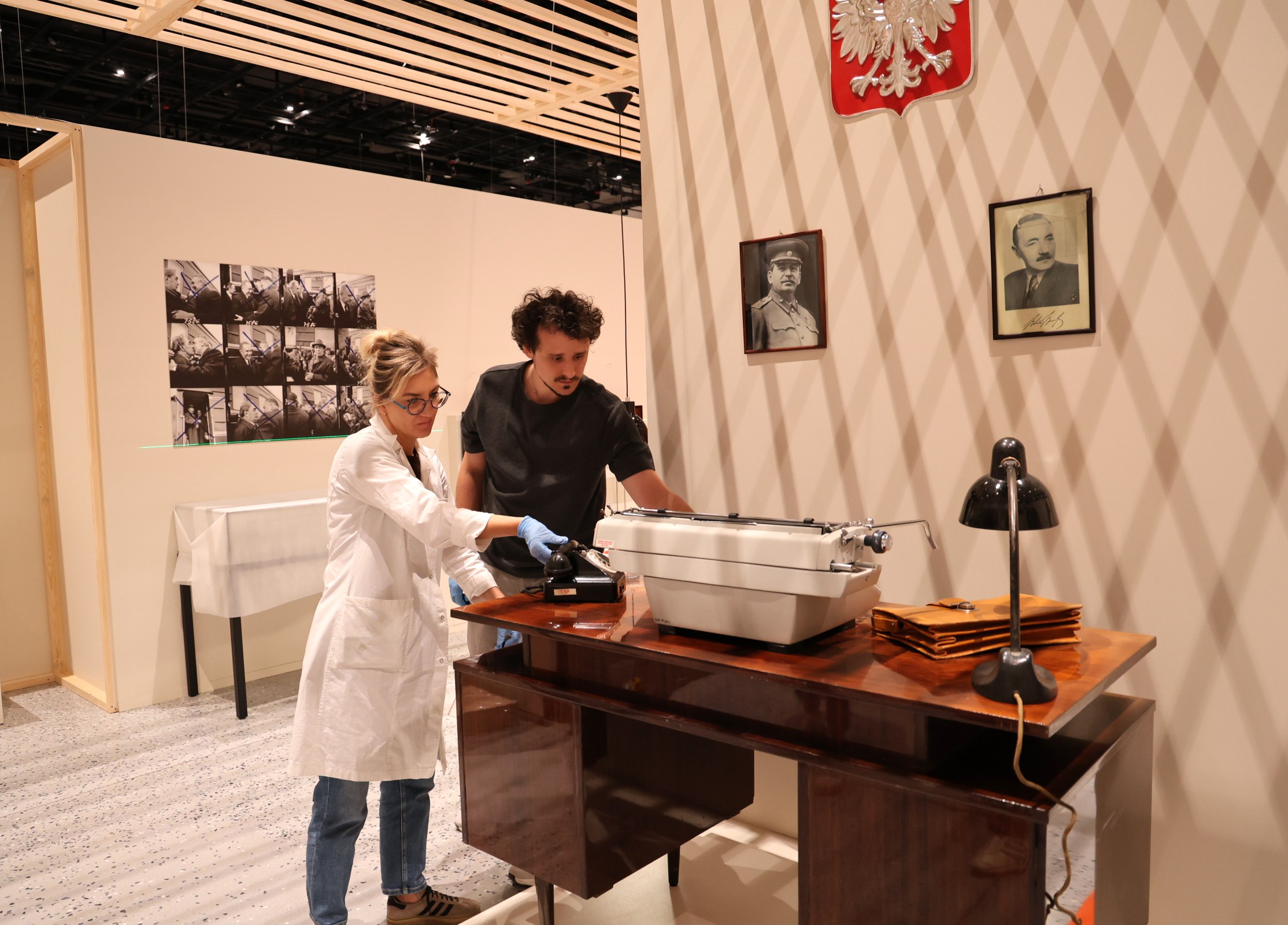

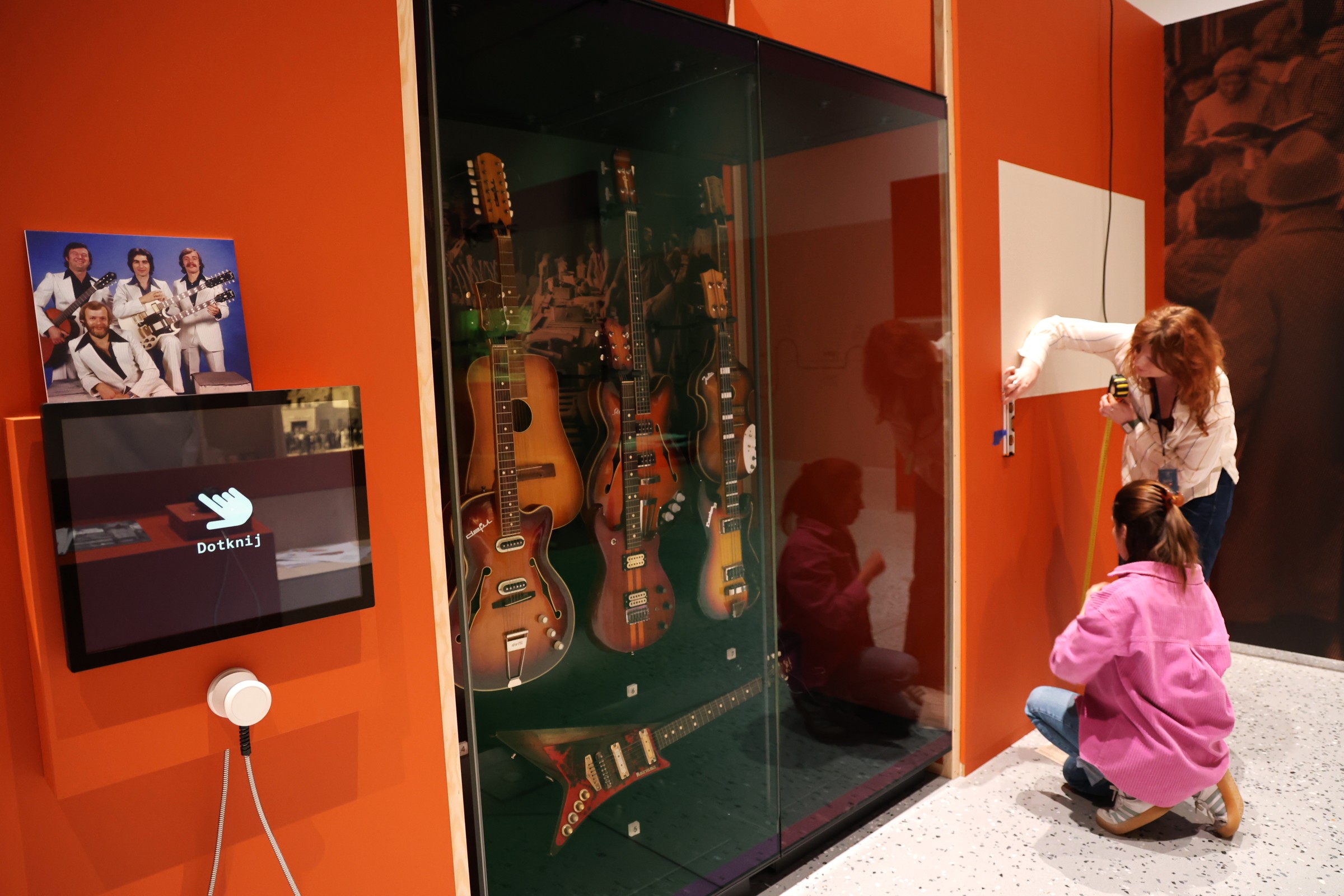
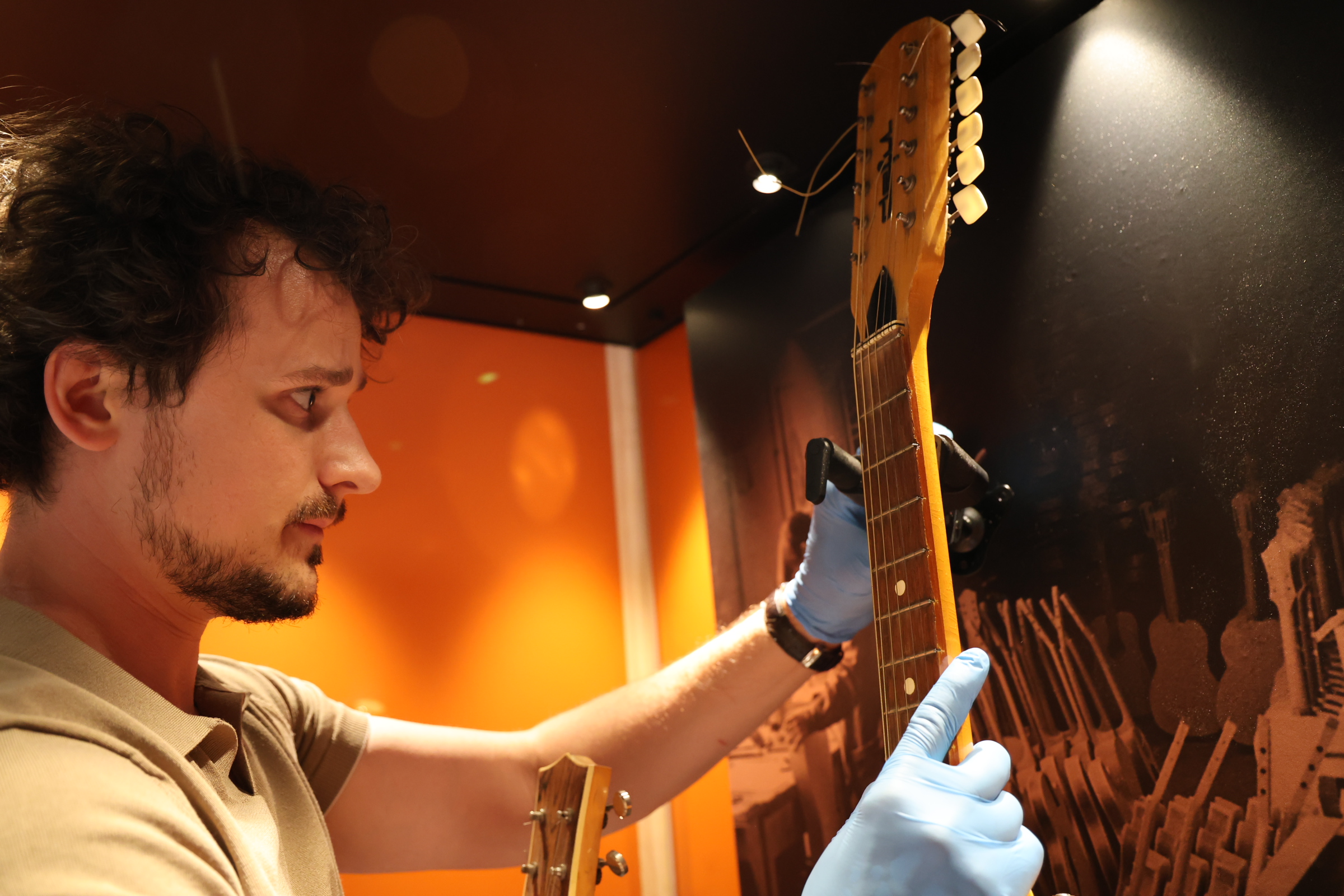


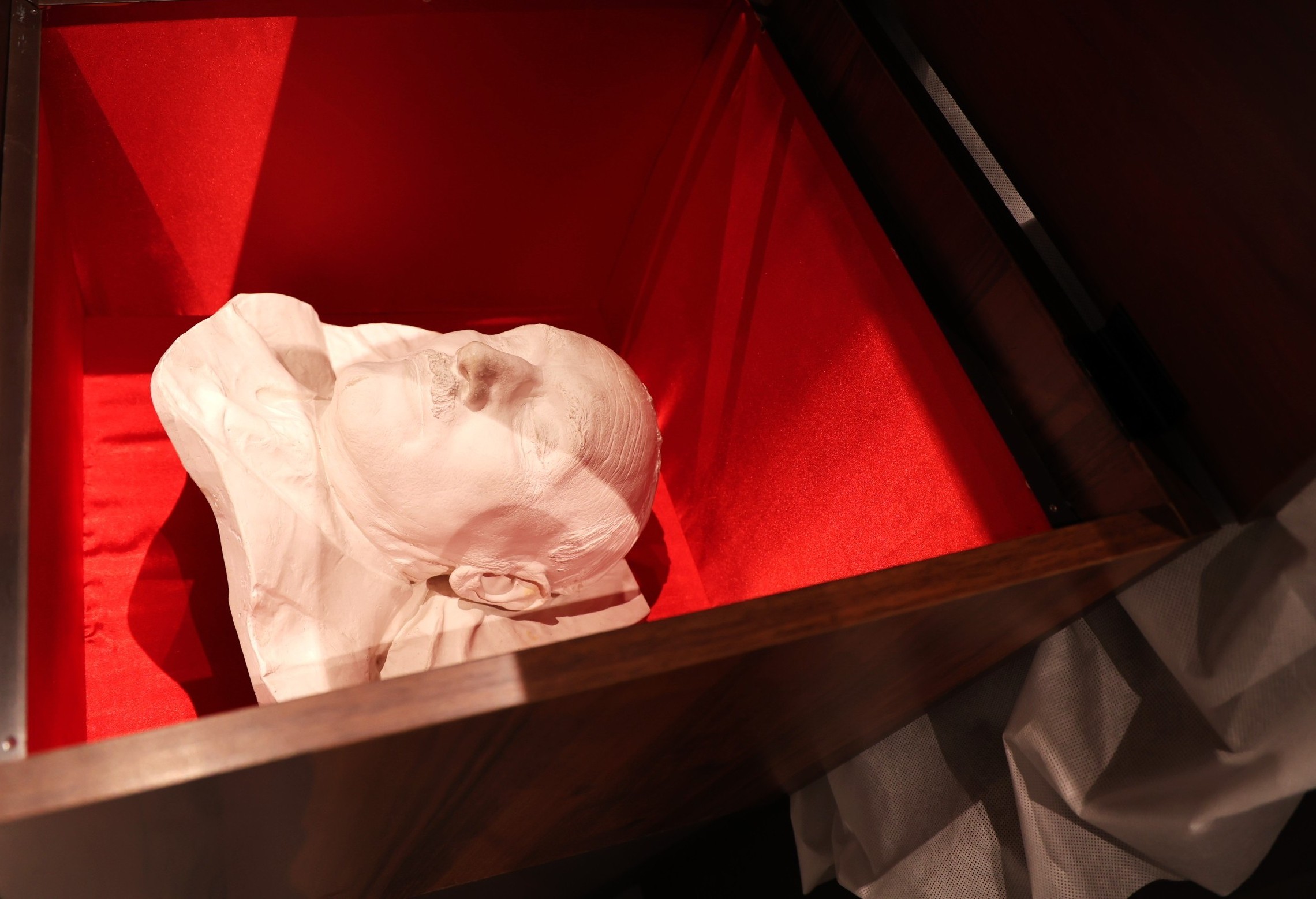
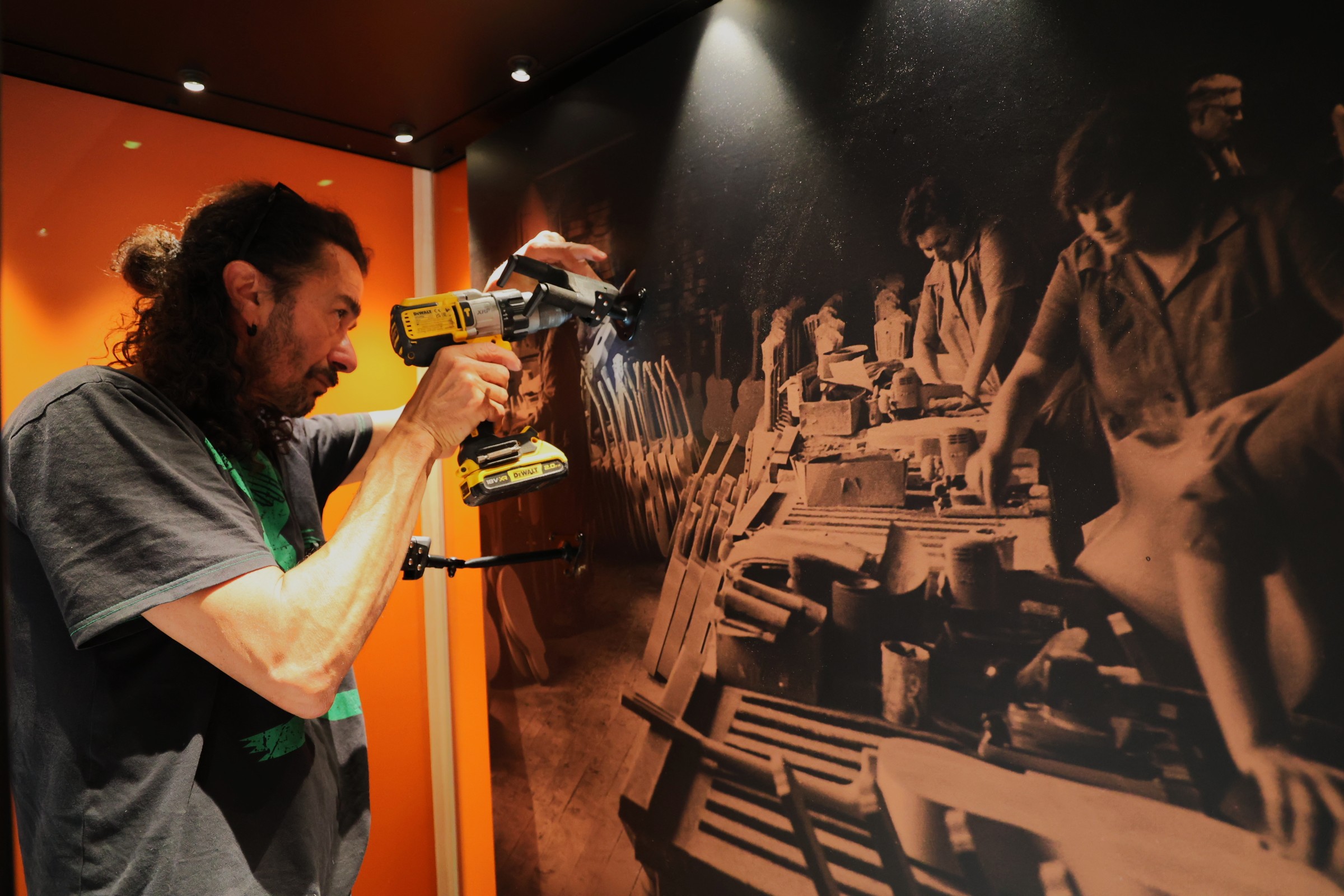
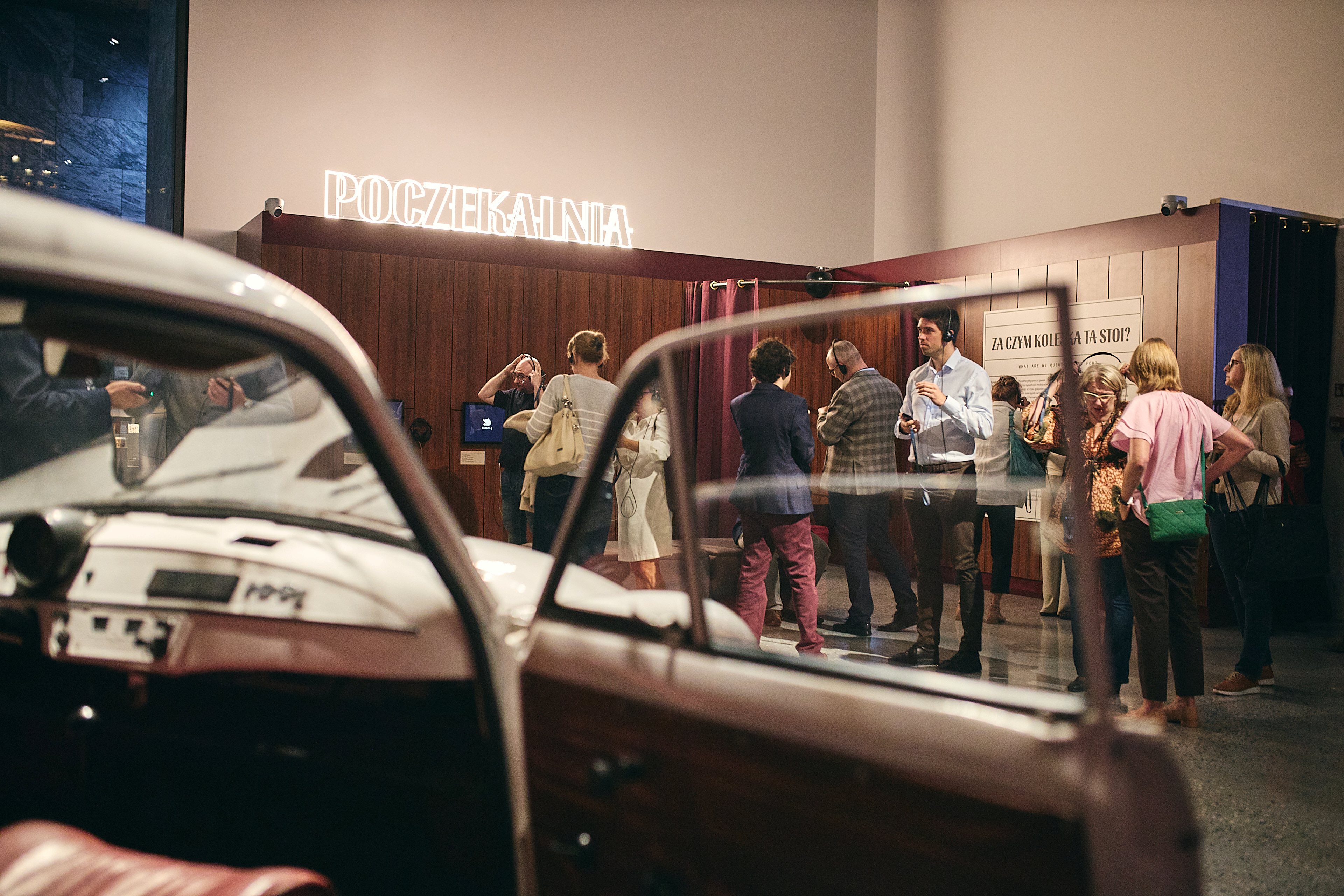
The exhibition “'What are we queuing here for?' The Polish People's Republic Reflected in Music” planned for autumn 2026, will explore strategies of adaptation to the realities of the PRL and responses to those realities. It will demonstrate how music will accompany the everyday lives of Poles, serving propaganda, entertainment, sentimental, political, and rebellious functions.
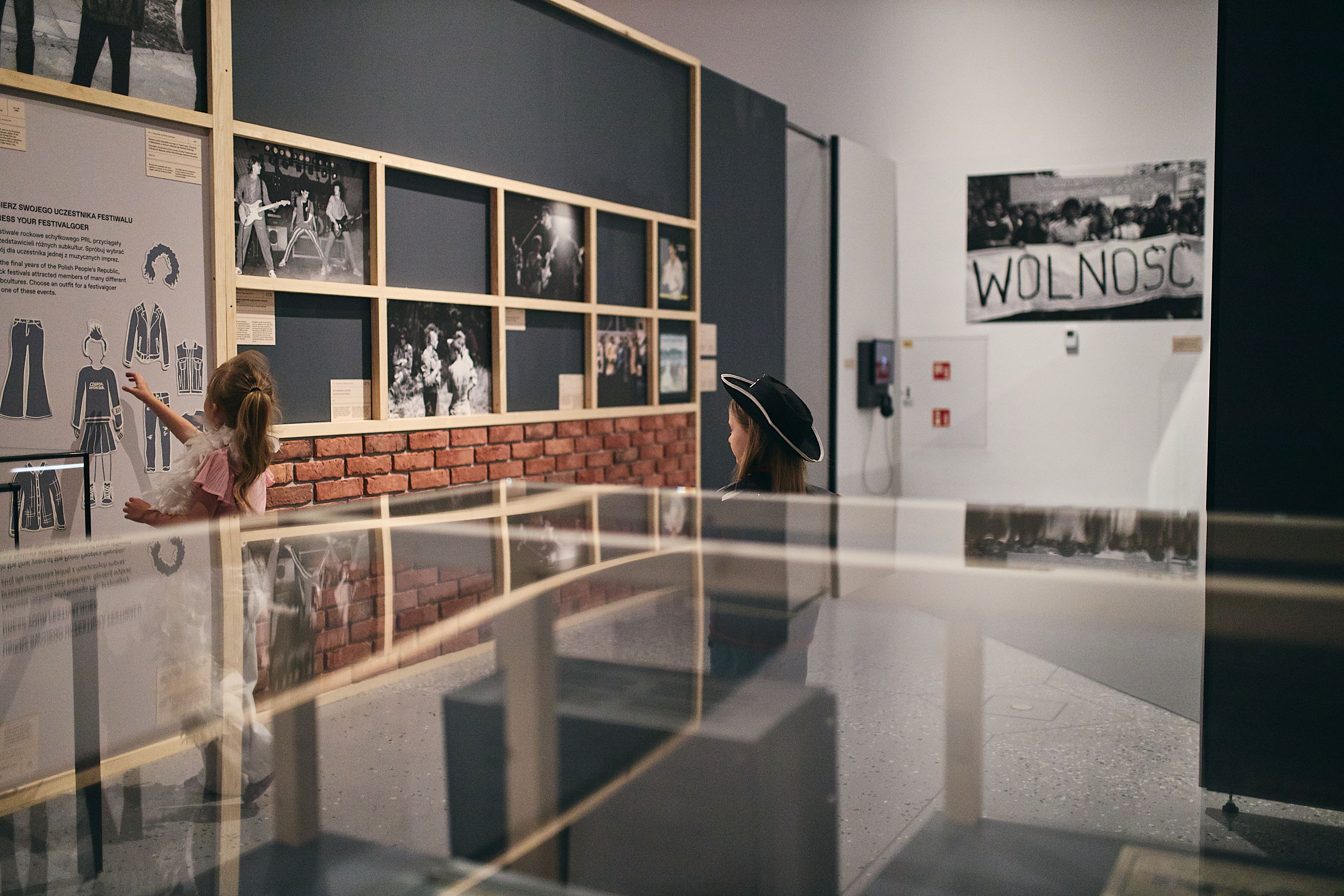
A special place will be devoted to youth music — constantly evolving, concentrating the energy of creators and audiences, forming the foundation of communities, subcultures, and social movements, often going beyond the boundaries imposed by the state.
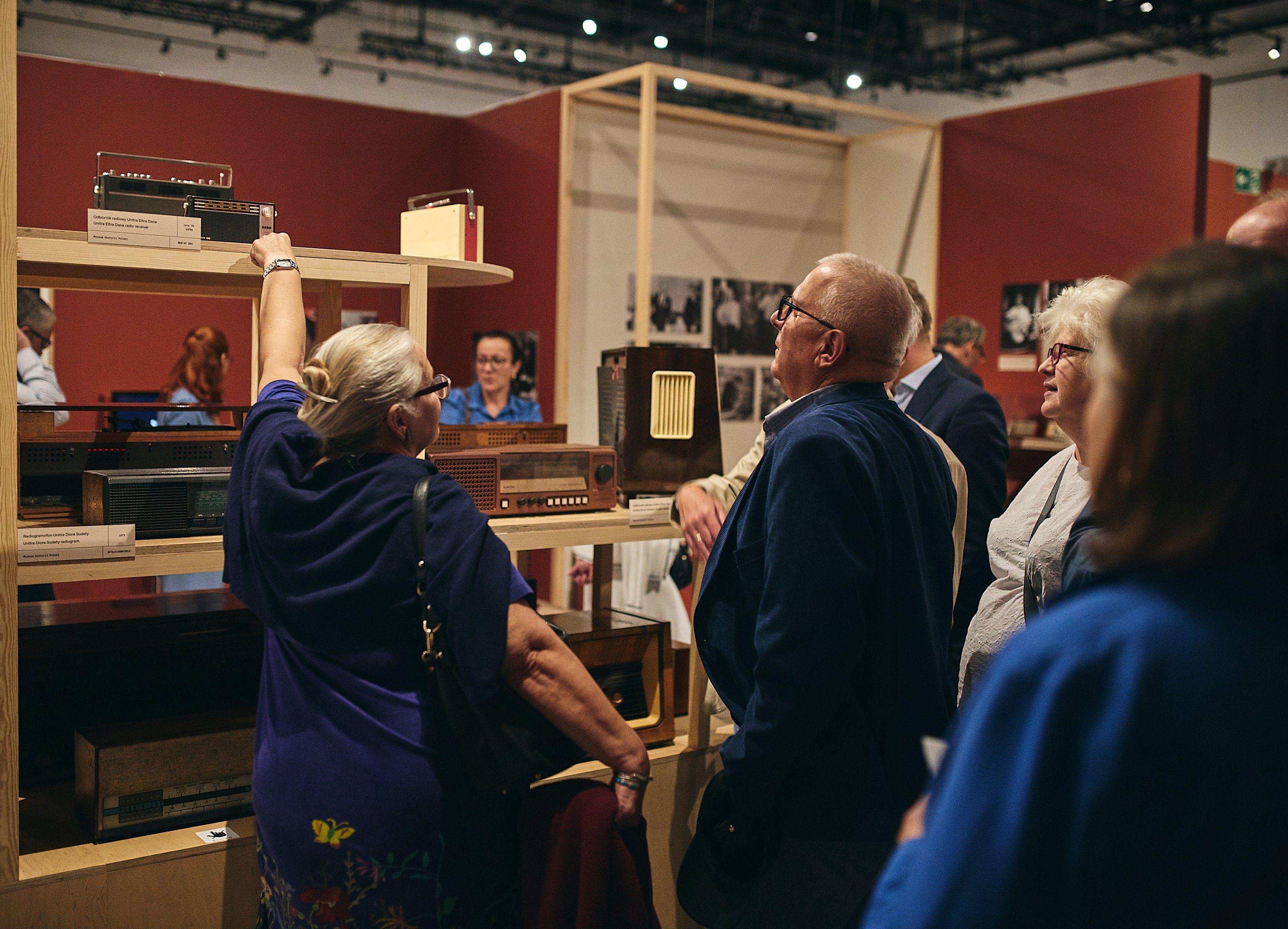
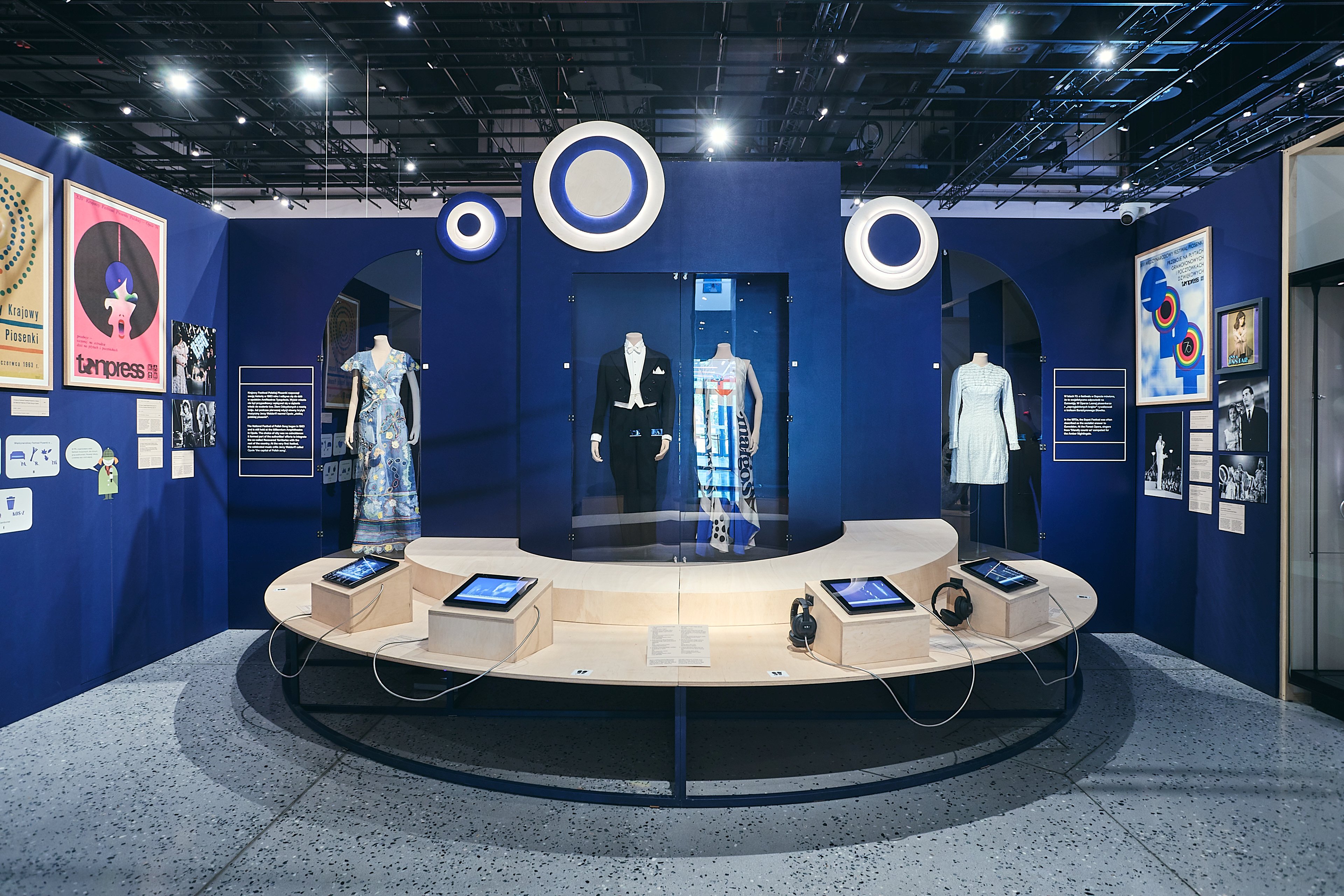
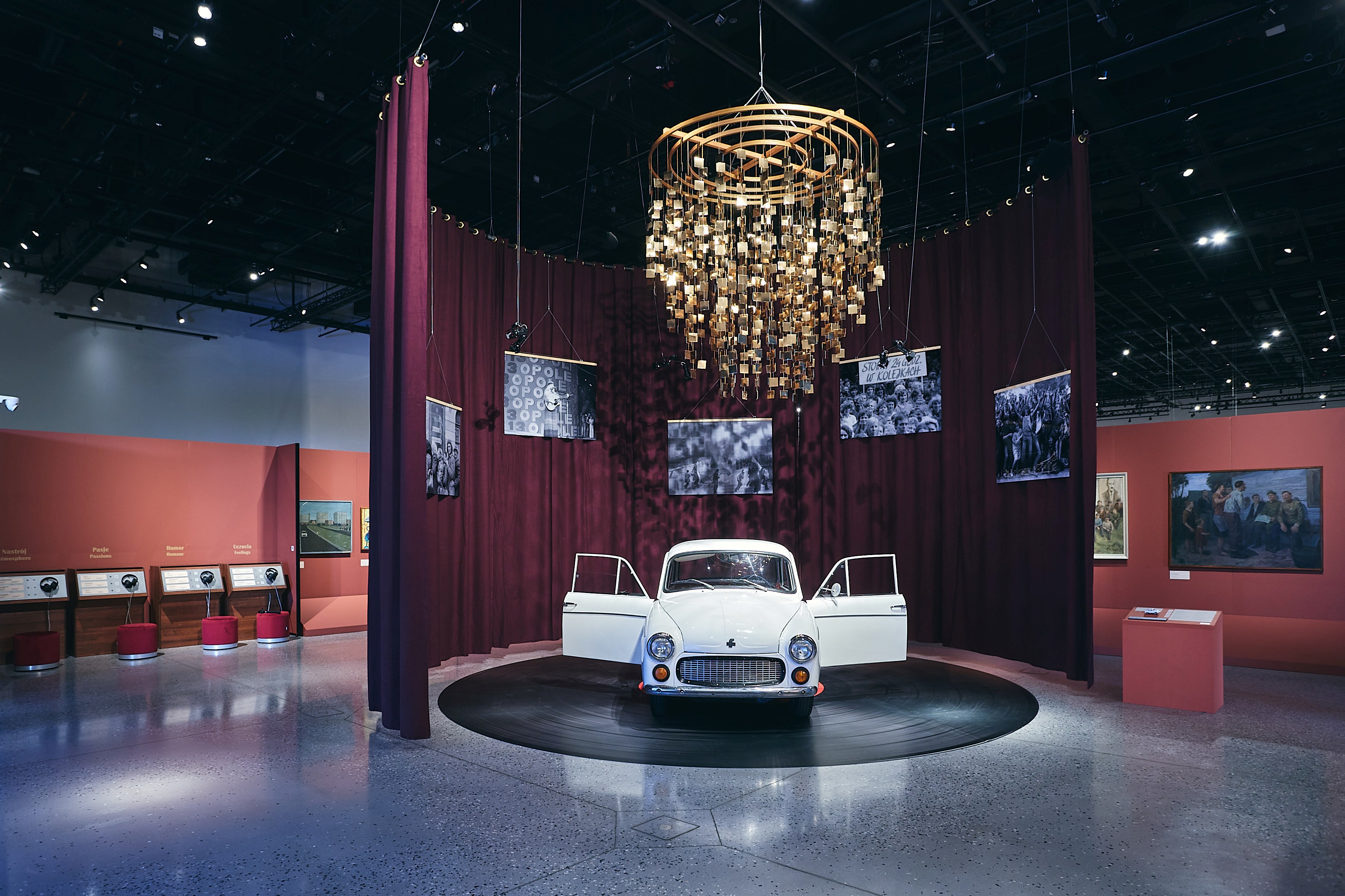
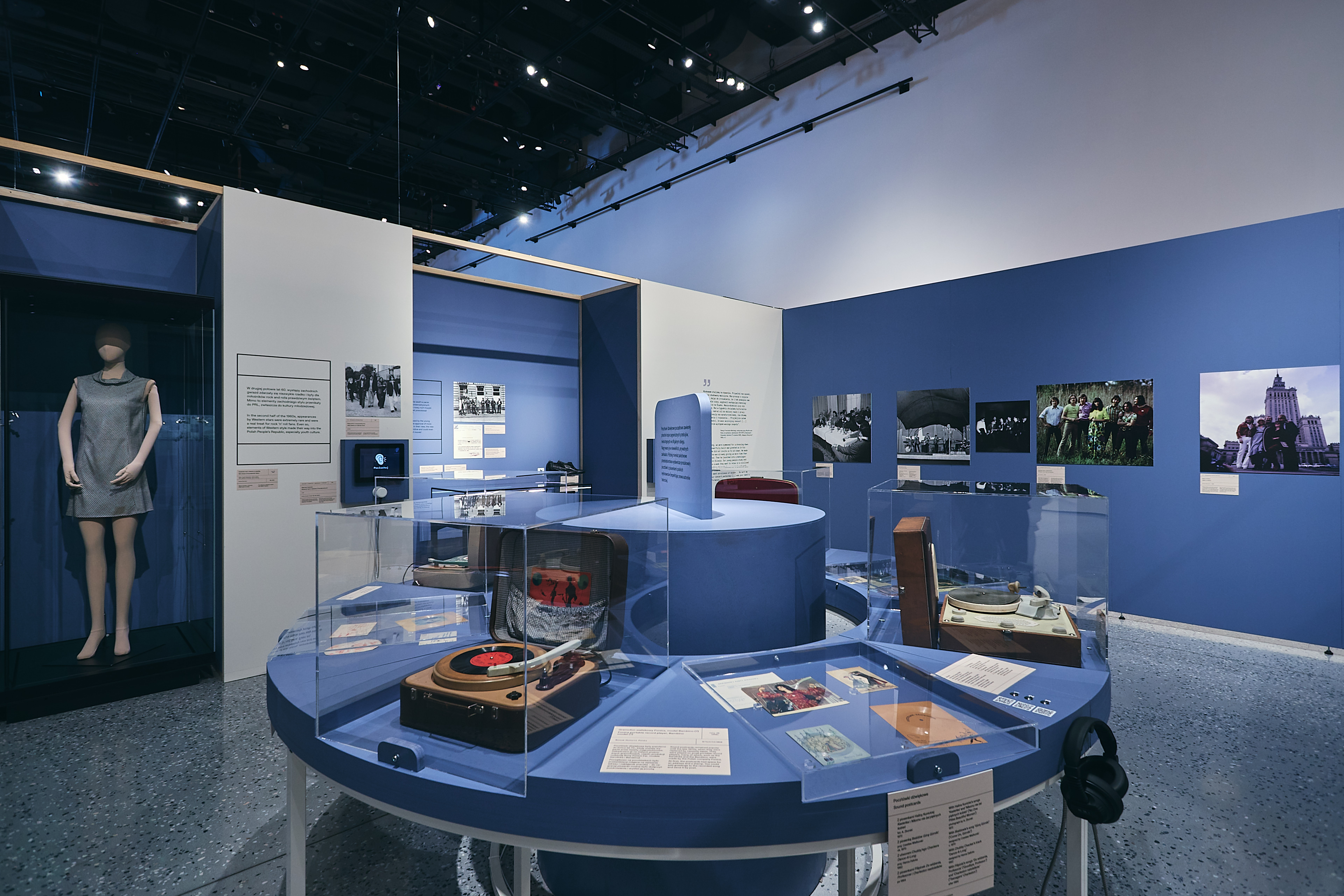
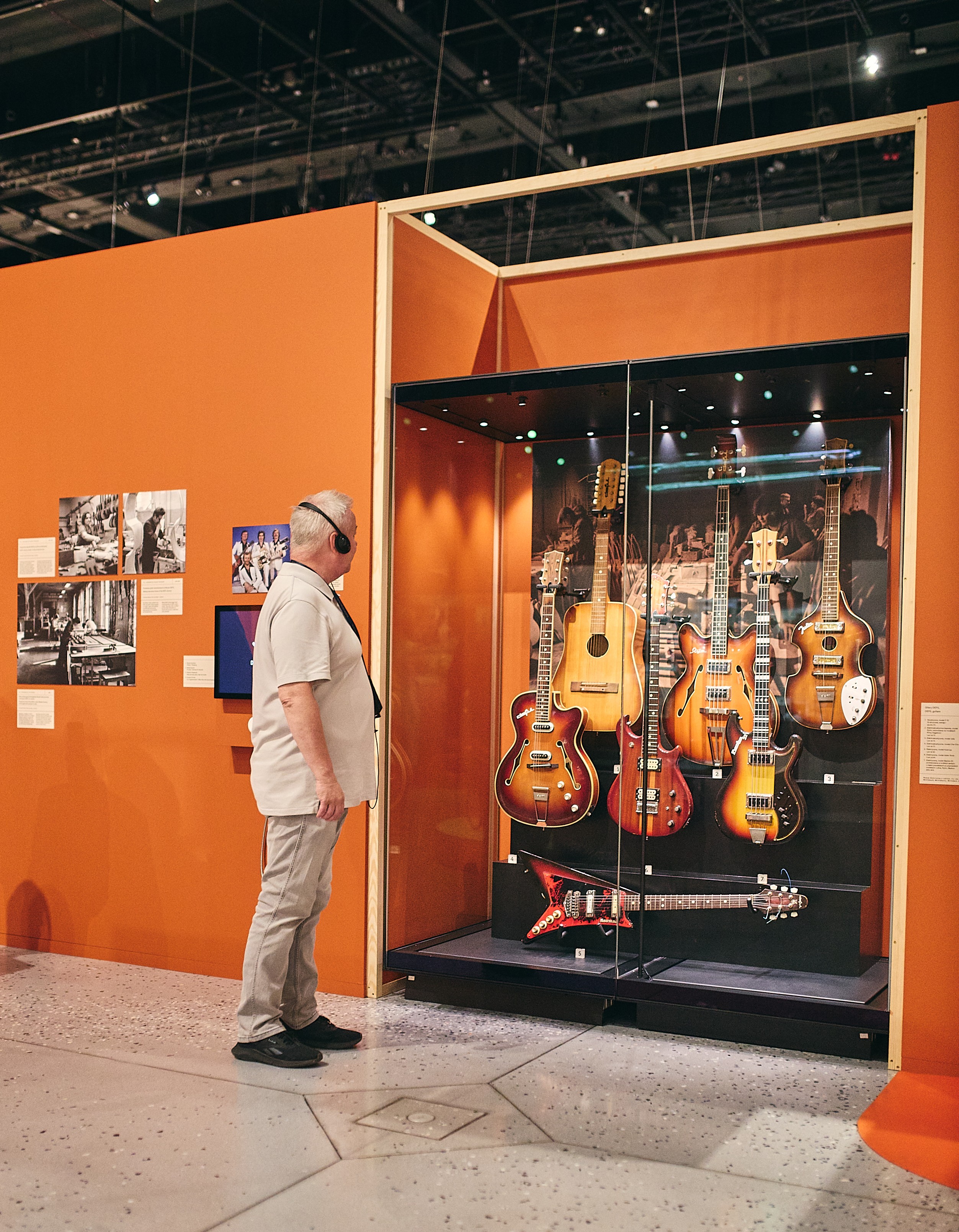
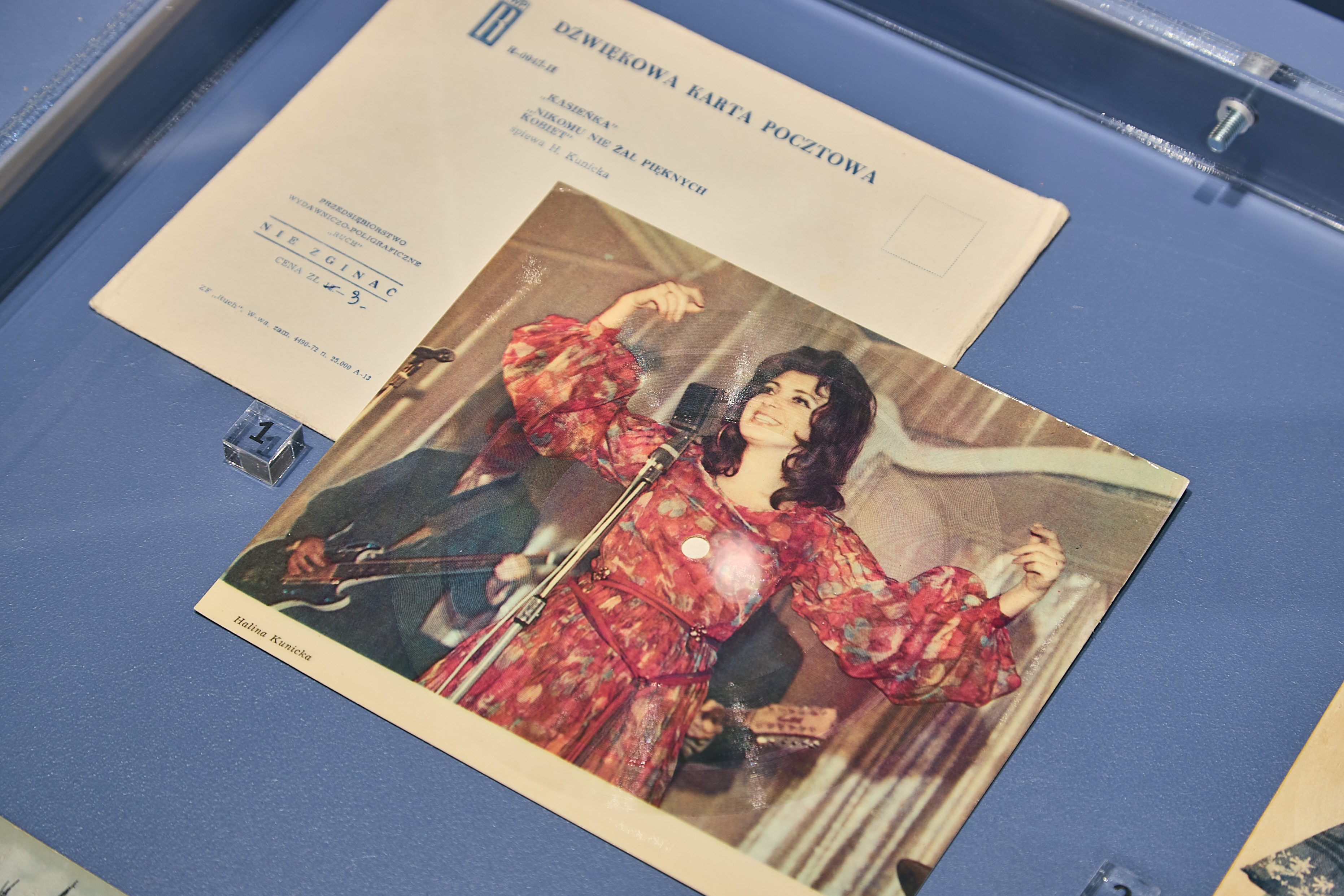
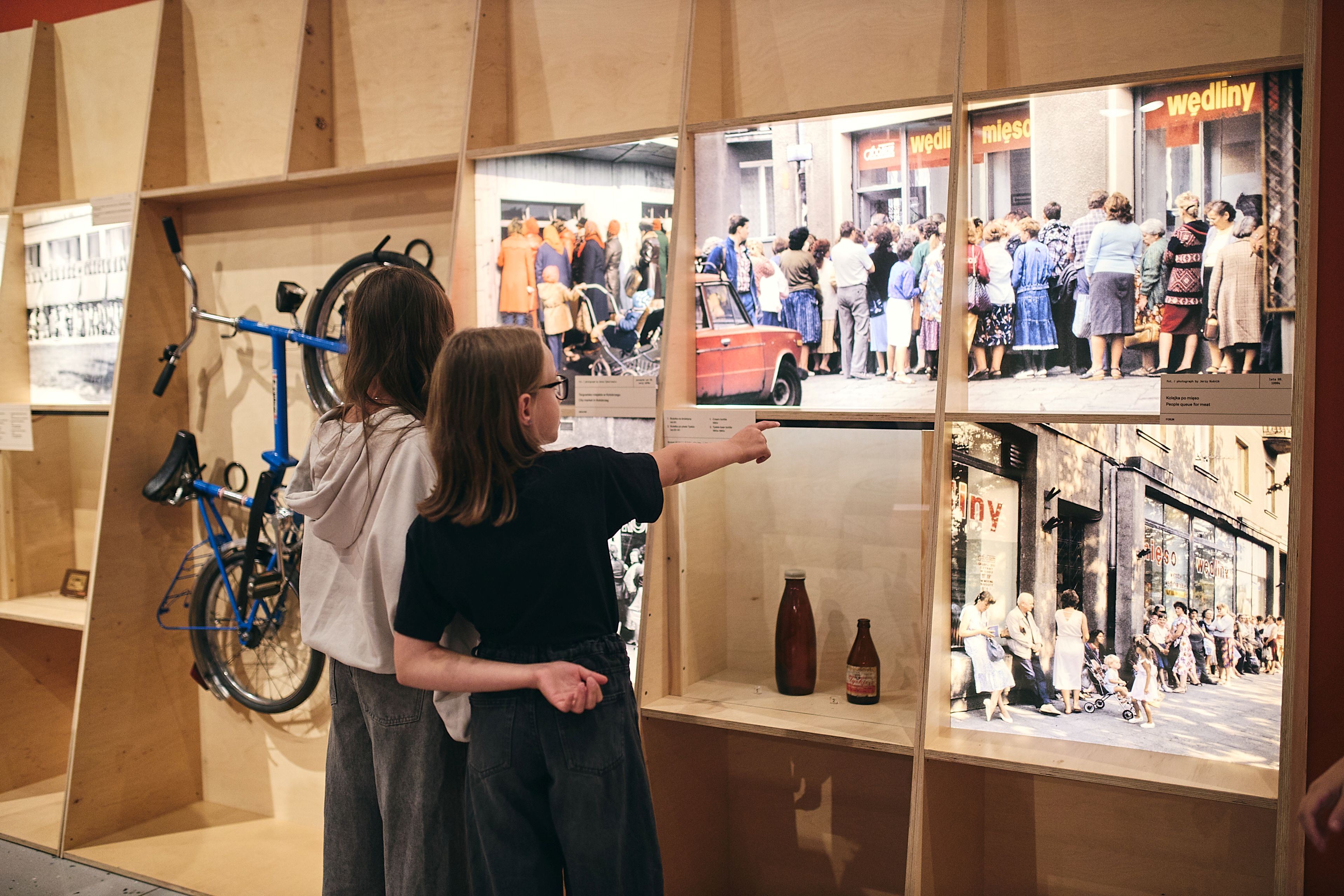
The narrative will be built around original artifacts from the era: unique items belonging to artists, objects from private collections, and music and film recordings embedded in the socio-political context of the PRL. Memorabilia connected to names and bands such as Mieczysław Fogg, Czesław Niemen, Maryla Rodowicz, Skaldowie, Kora Jackowska, TSA, Robert Brylewski, and Wojciech Waglewski will provide visitors with a personal encounter with the history of Polish music, making it a unique experience.
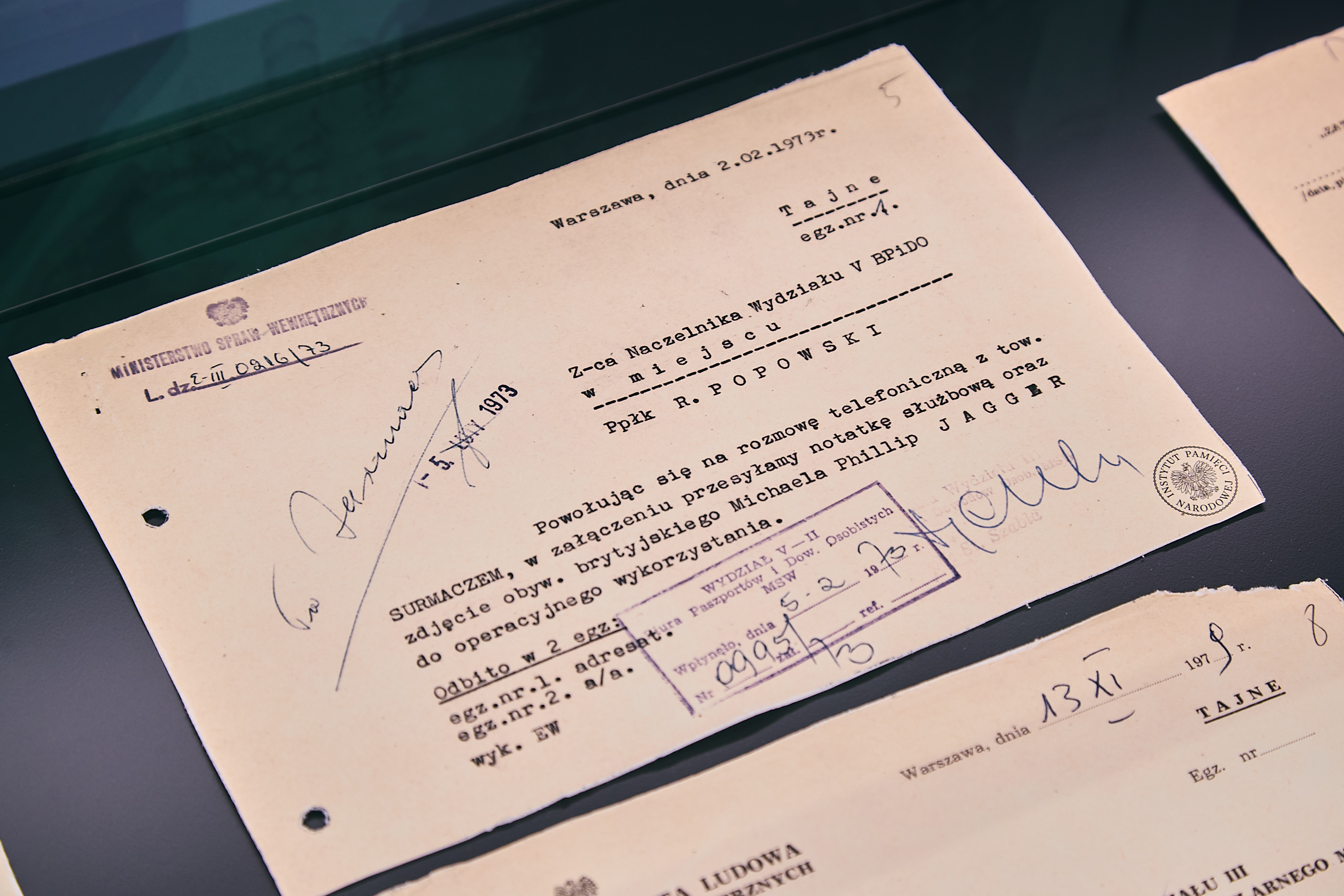
The exhibition will also illustrate what the PRL was in a mental sense — with all its facade-like qualities, restrictions on freedom of speech and expression. Particular attention will be given to the phenomenon of "lost potential" — the untapped creativity of many artists, resulting from censorship, economic conditions, social conformity, and political calculation. Artists will often face the choice between originality and conforming to the demands of the authorities and the expectations of the audience. The exhibition will not judge these decisions but will instead present their context and give voice to the creators.
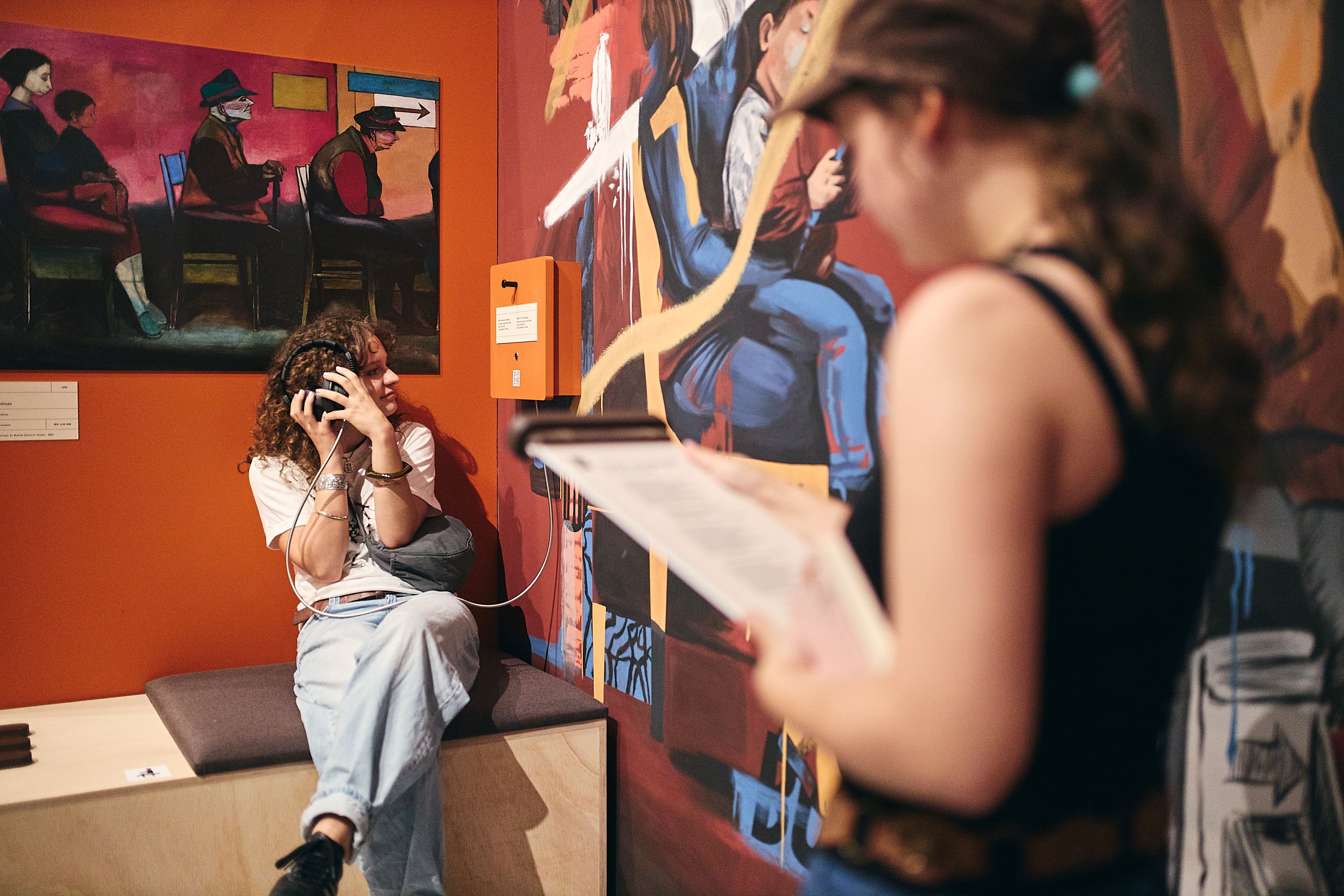
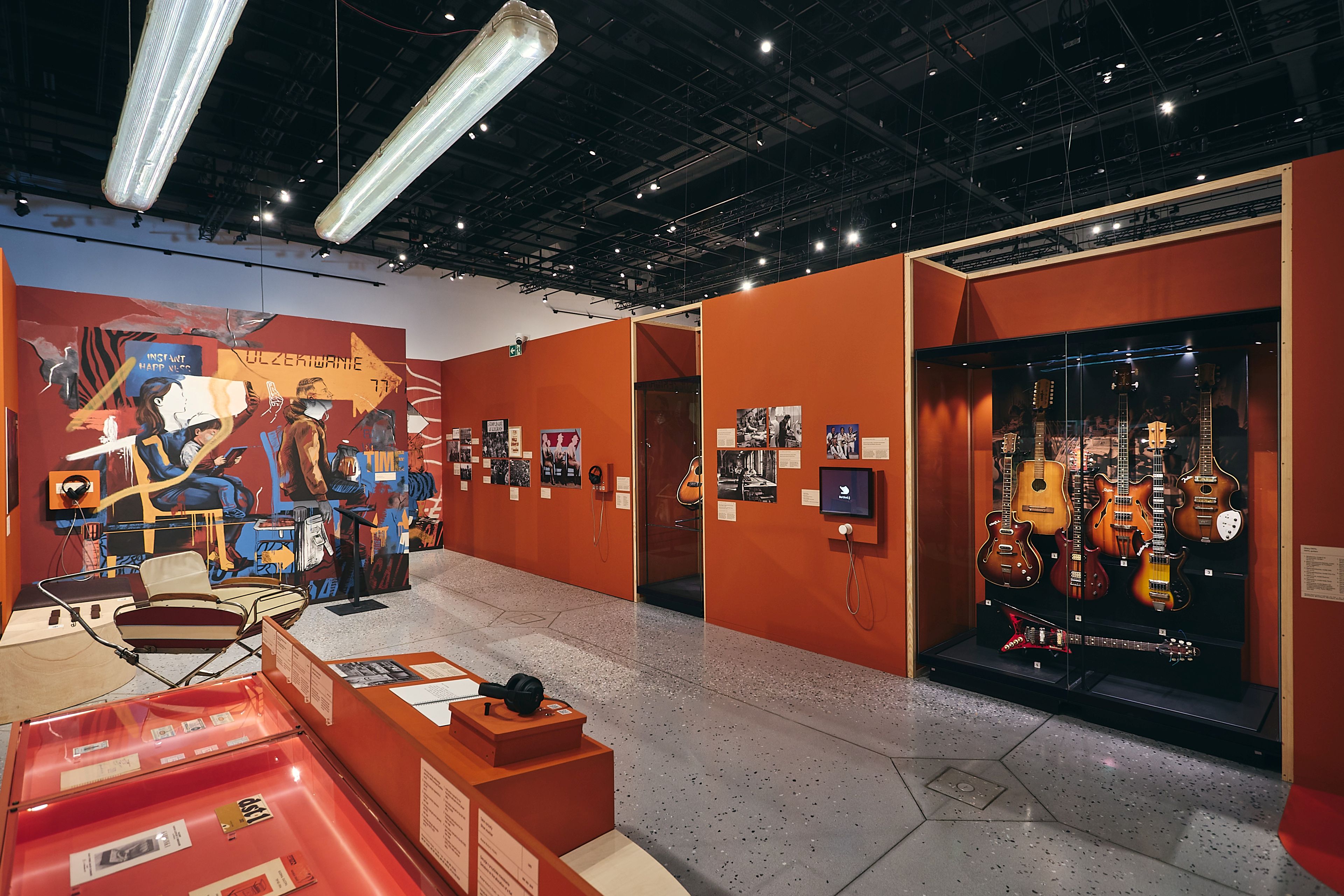
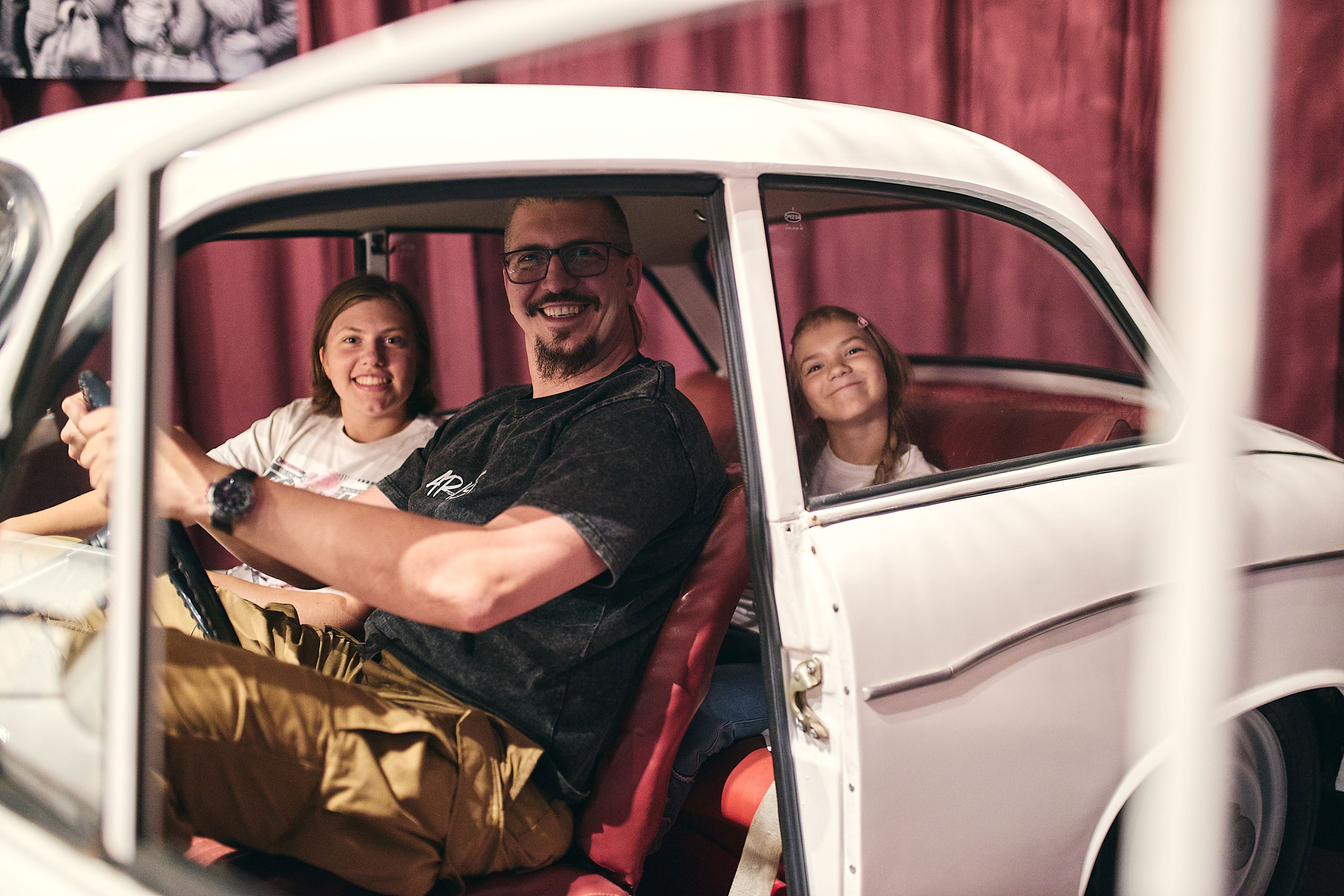
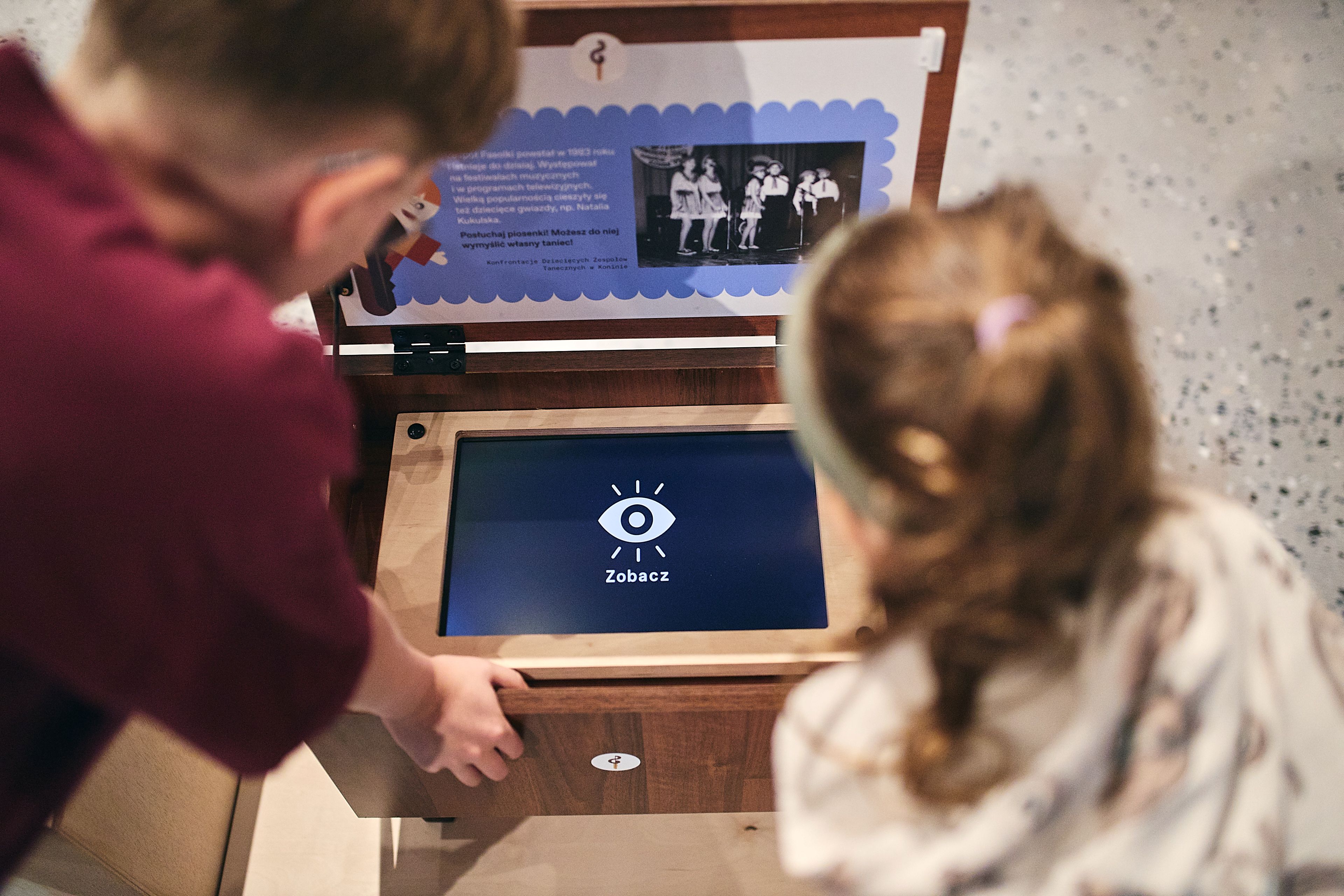
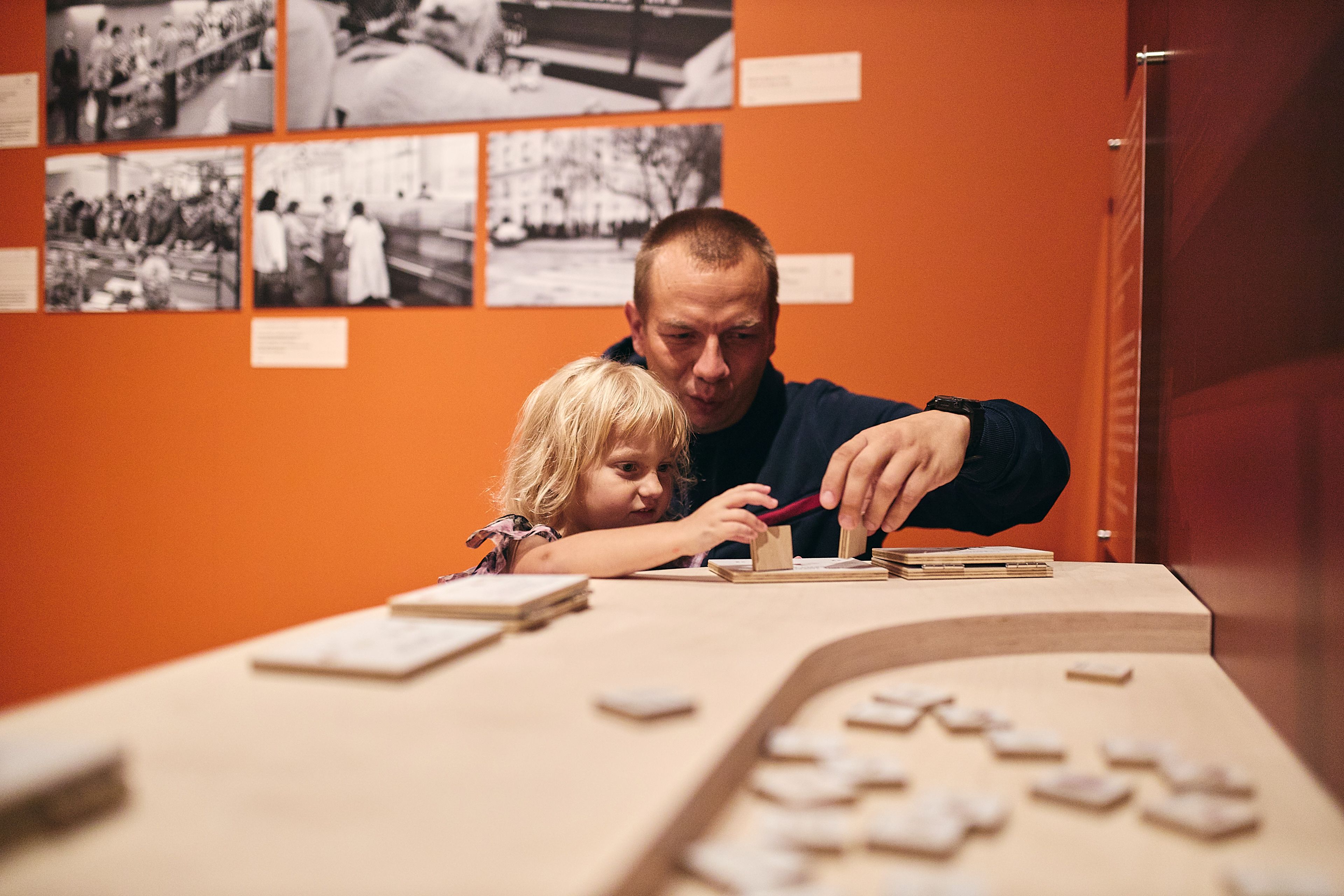
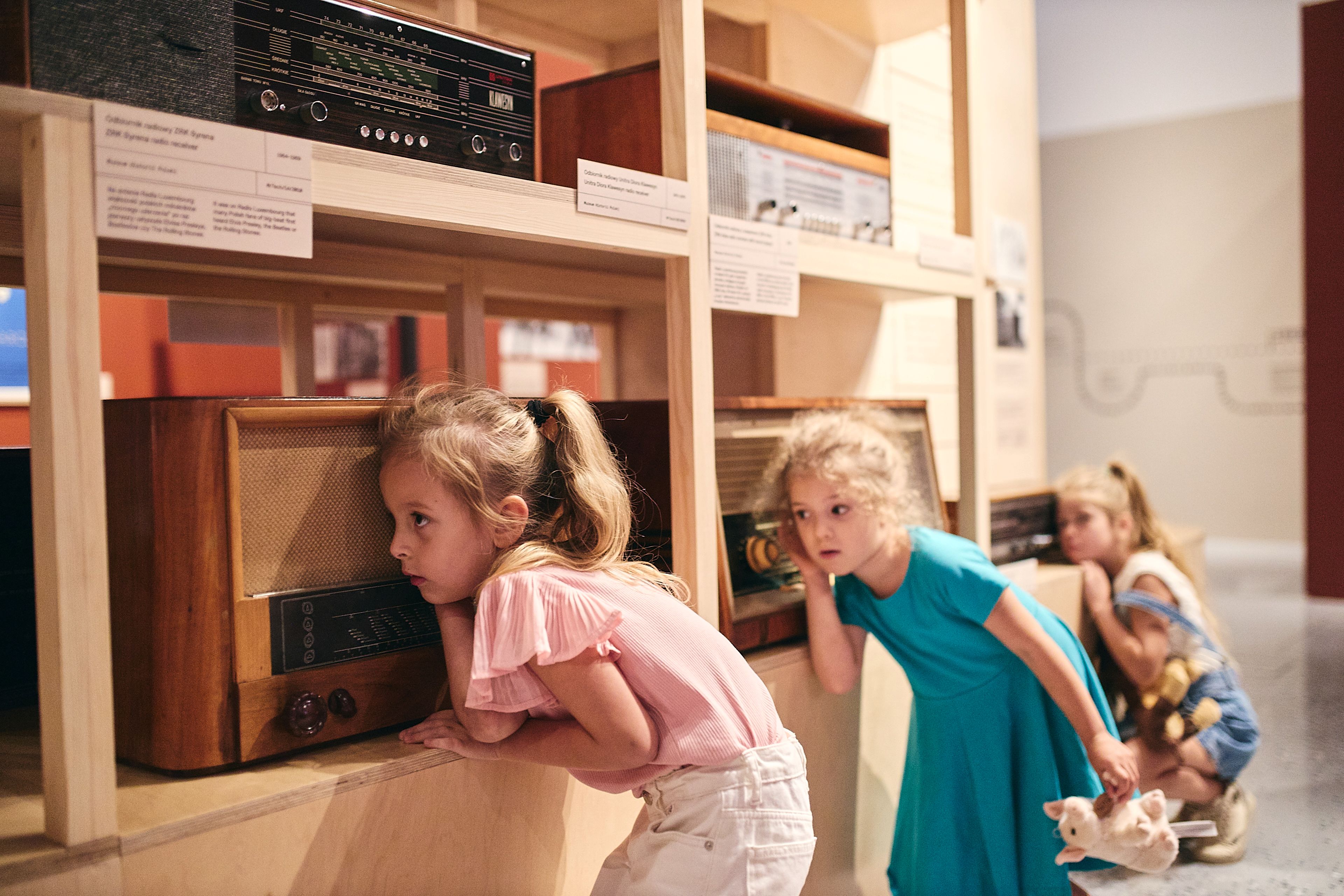
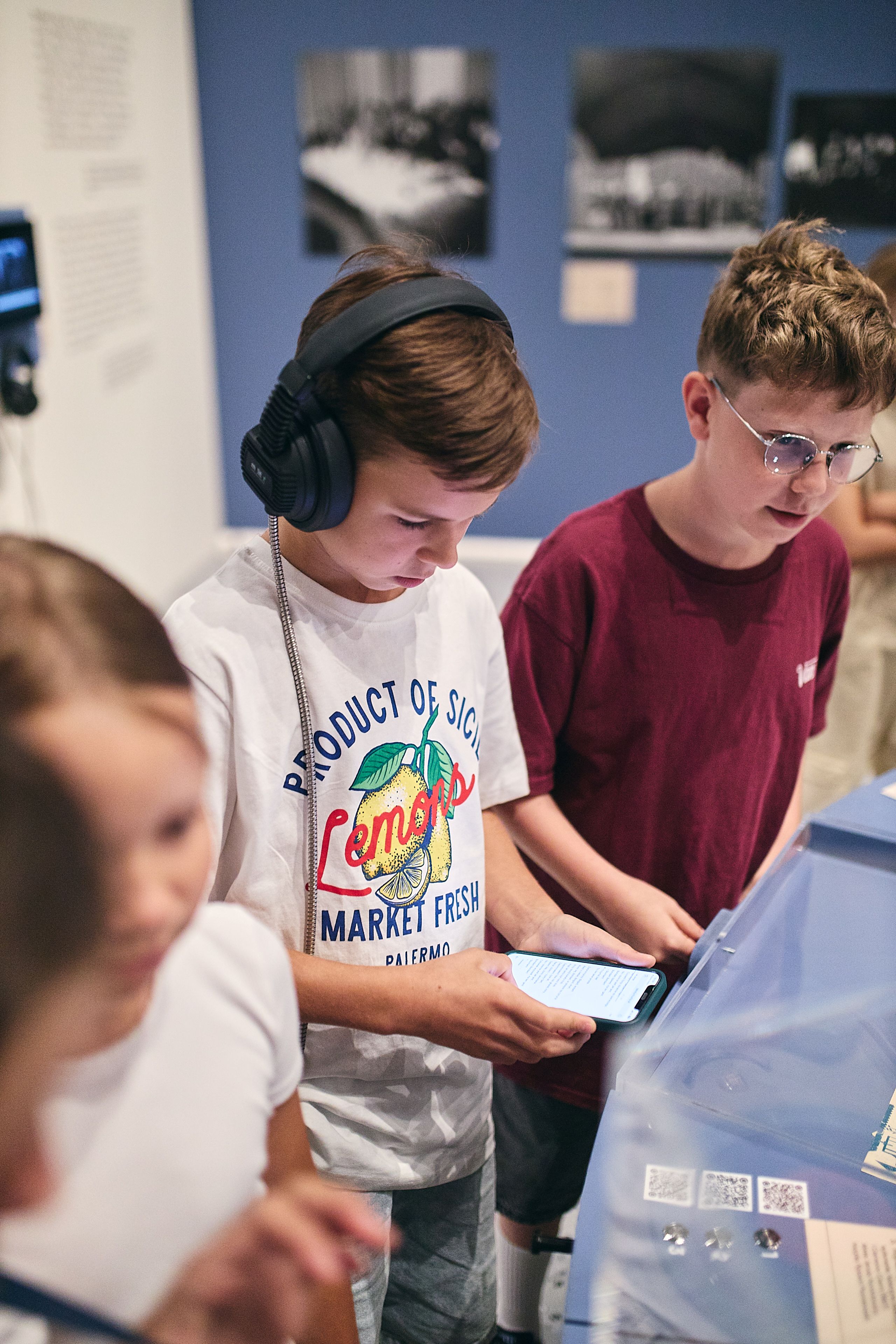
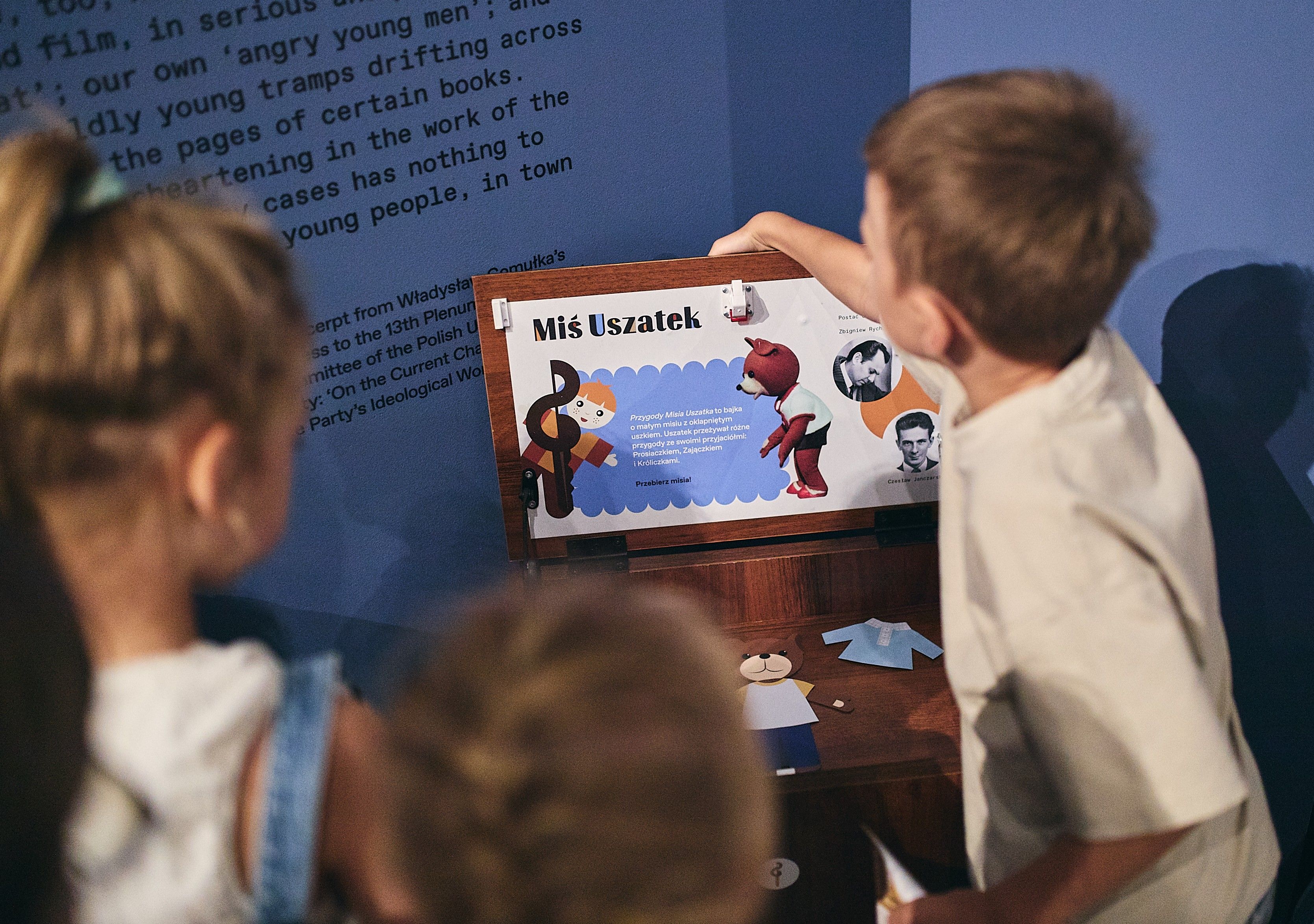
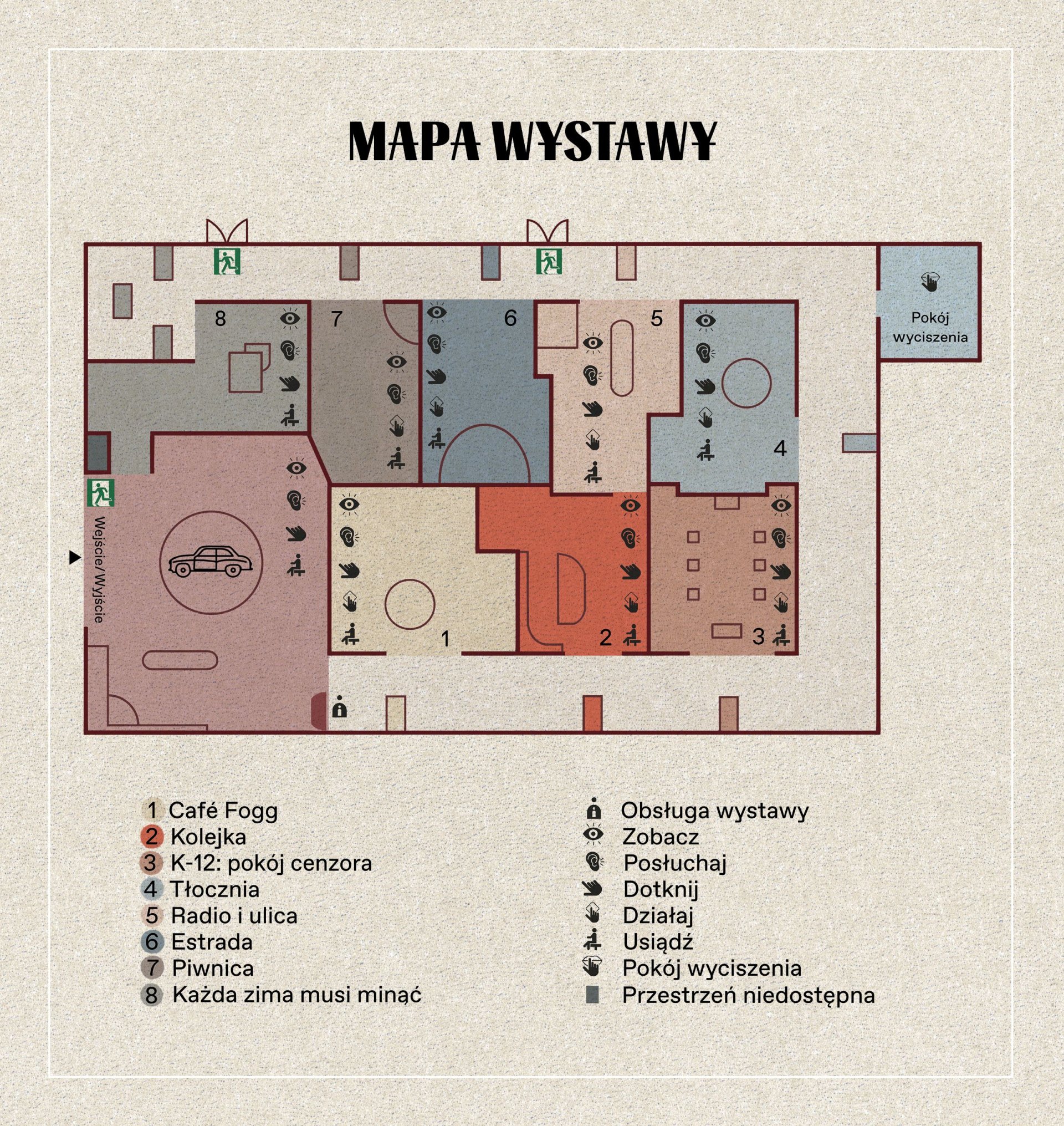
The exhibition space of approx. 1,200 m² will be divided into stylized, semi-open thematic modules, guiding visitors through successive stages of the story. Multimedia will be consciously limited in favor of analog immersive and interactive forms that will reference the aesthetics of the era. The exception will be stations with testimonies of artists, journalists, and fans, recorded specifically for the exhibition.
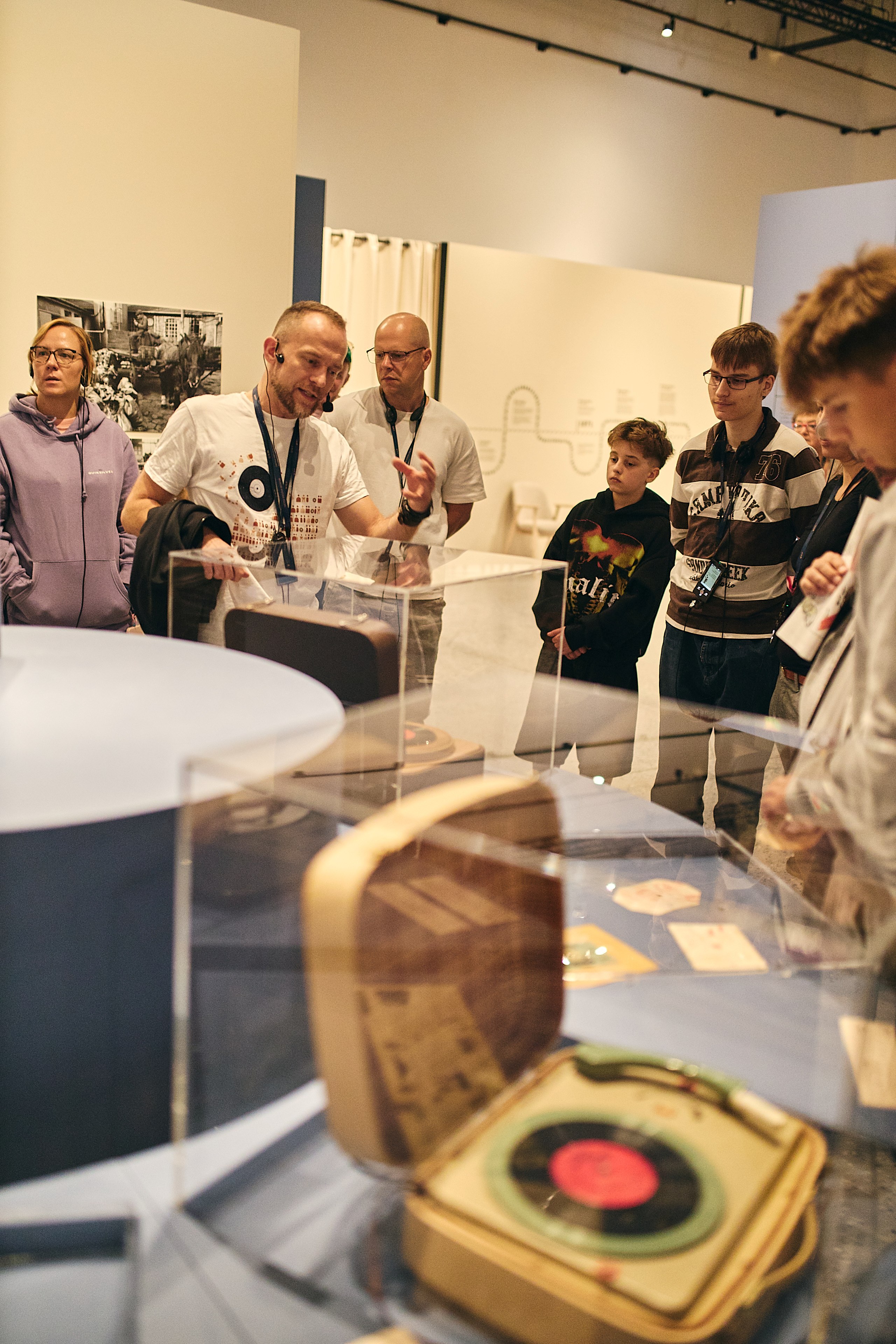
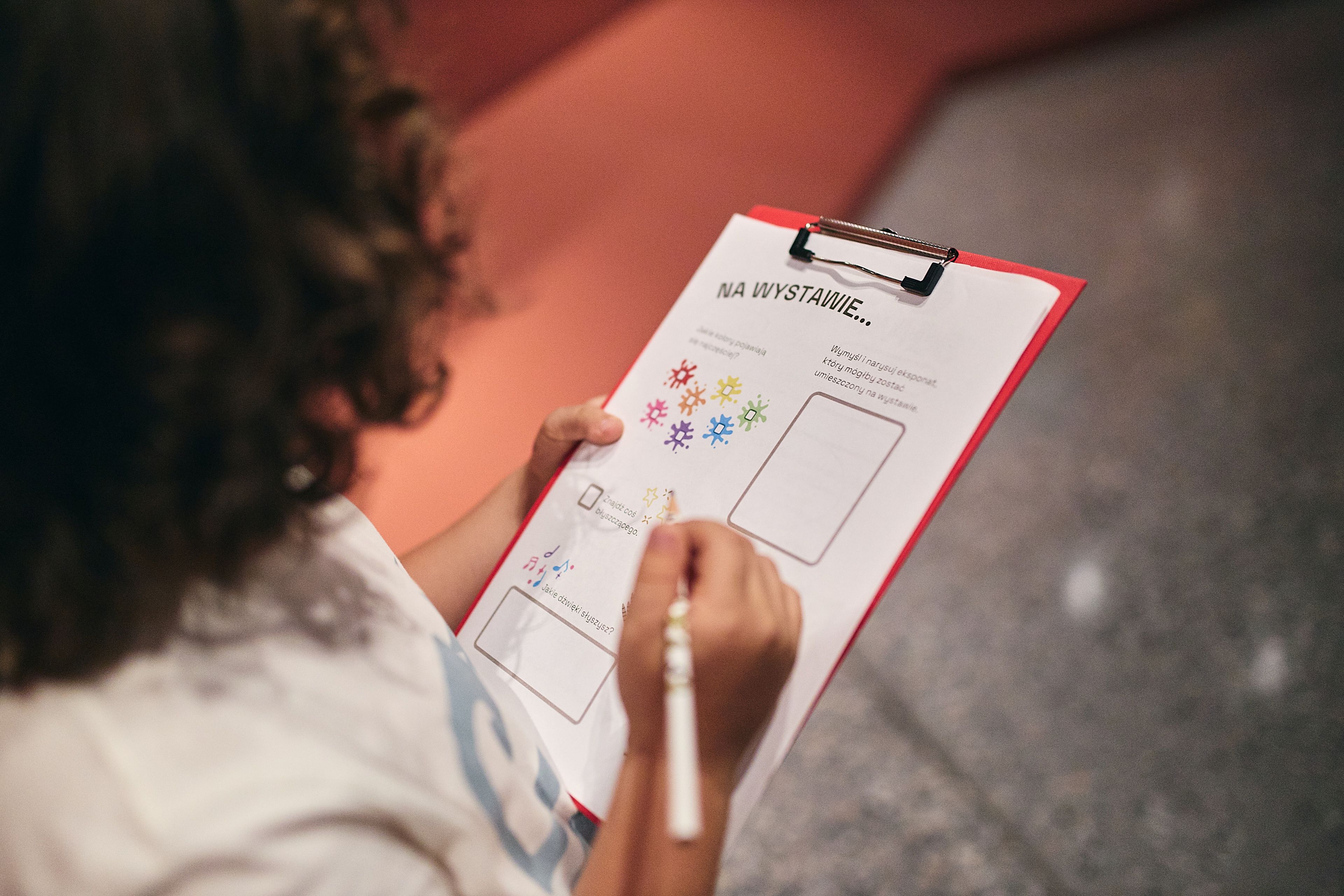
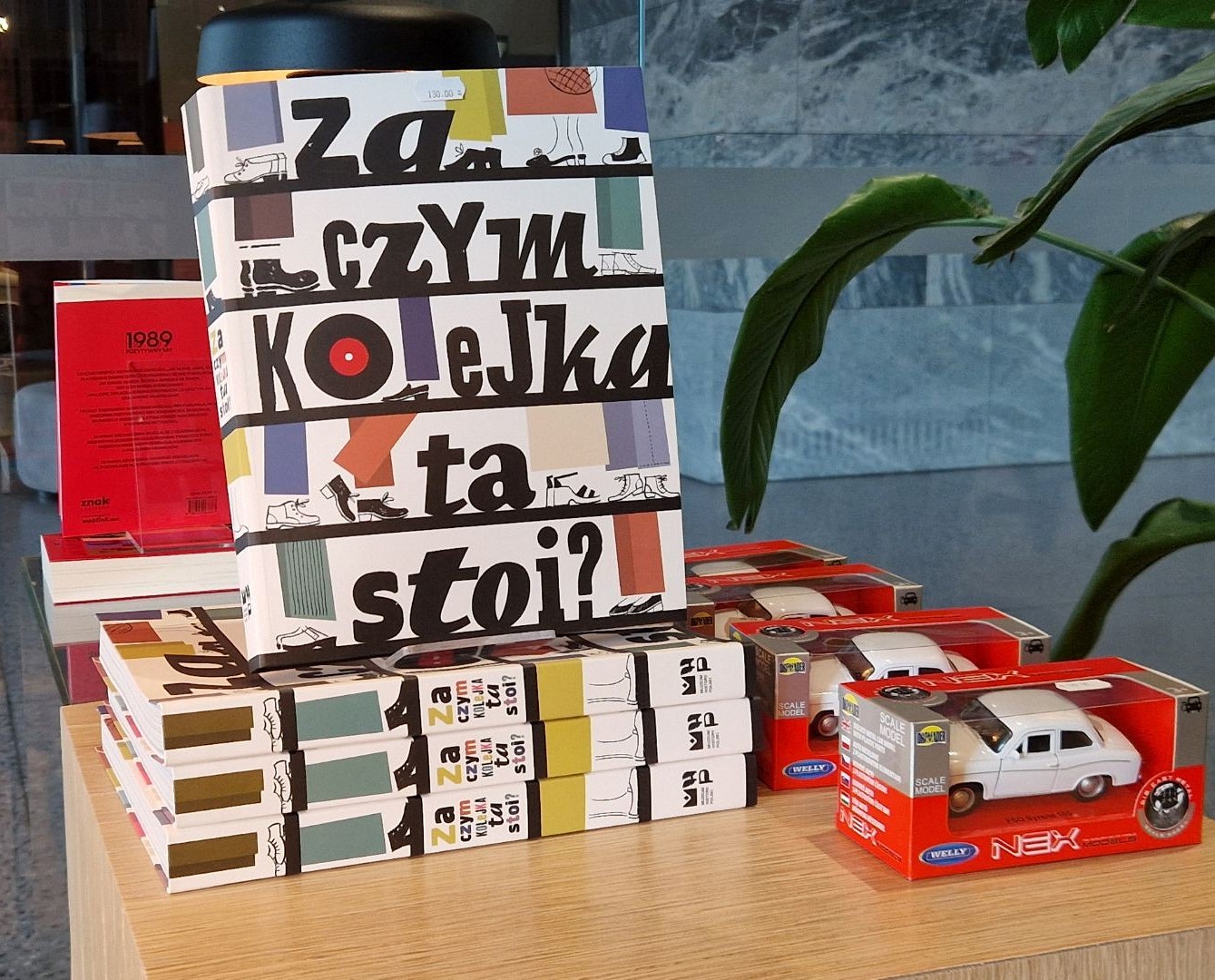
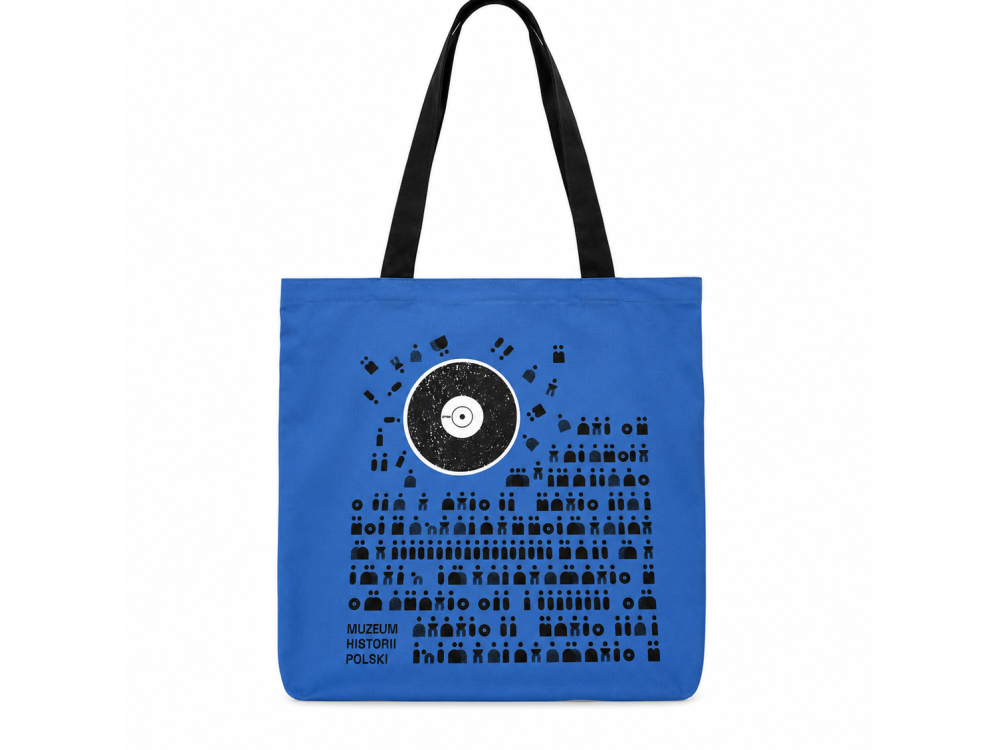
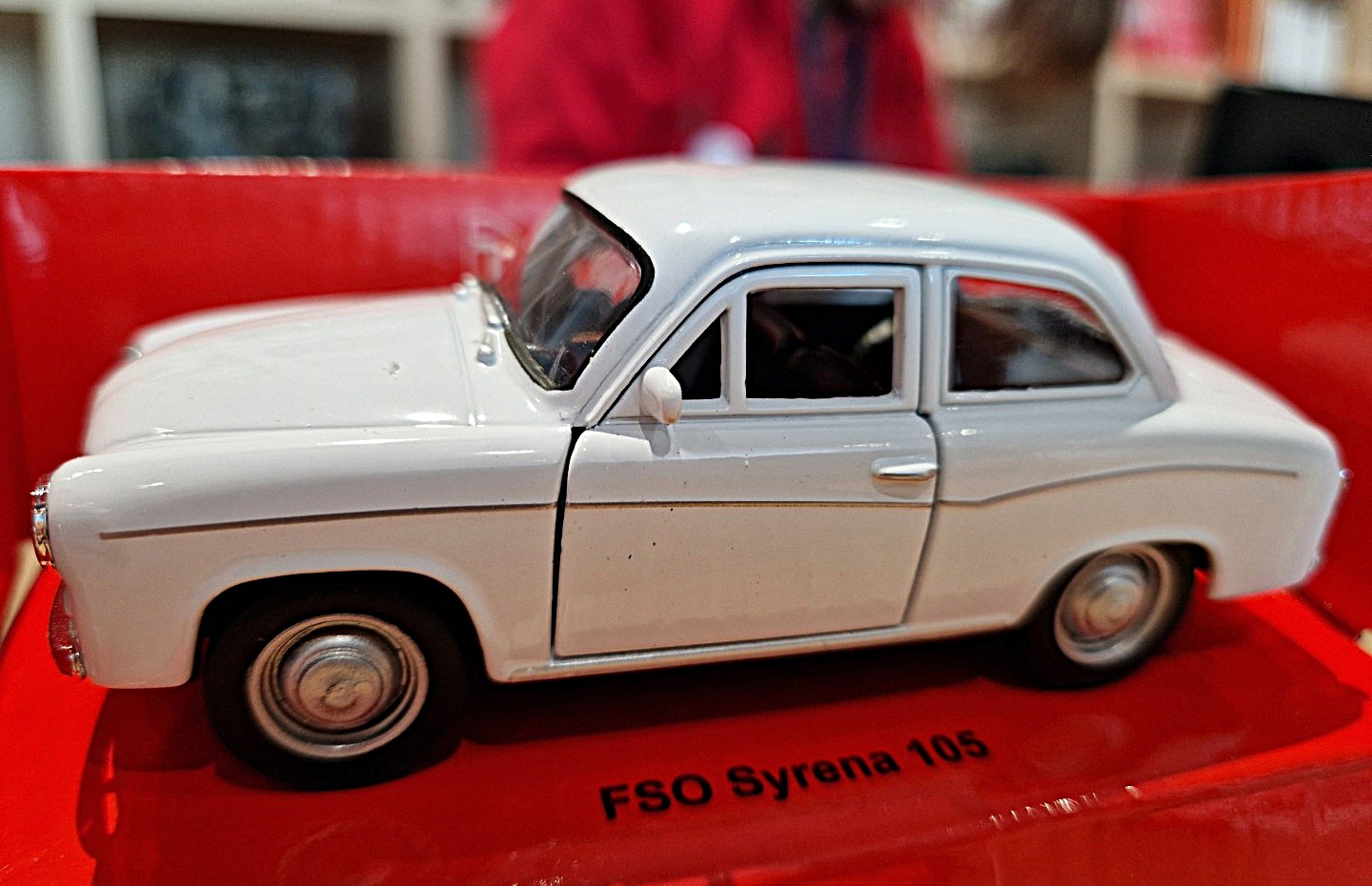
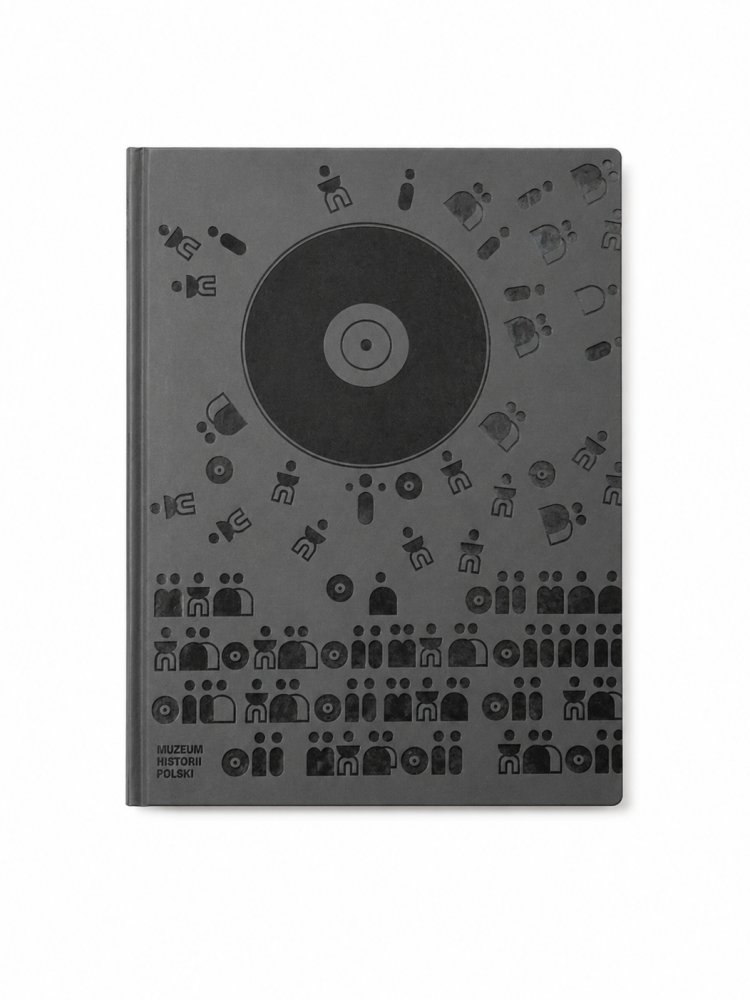
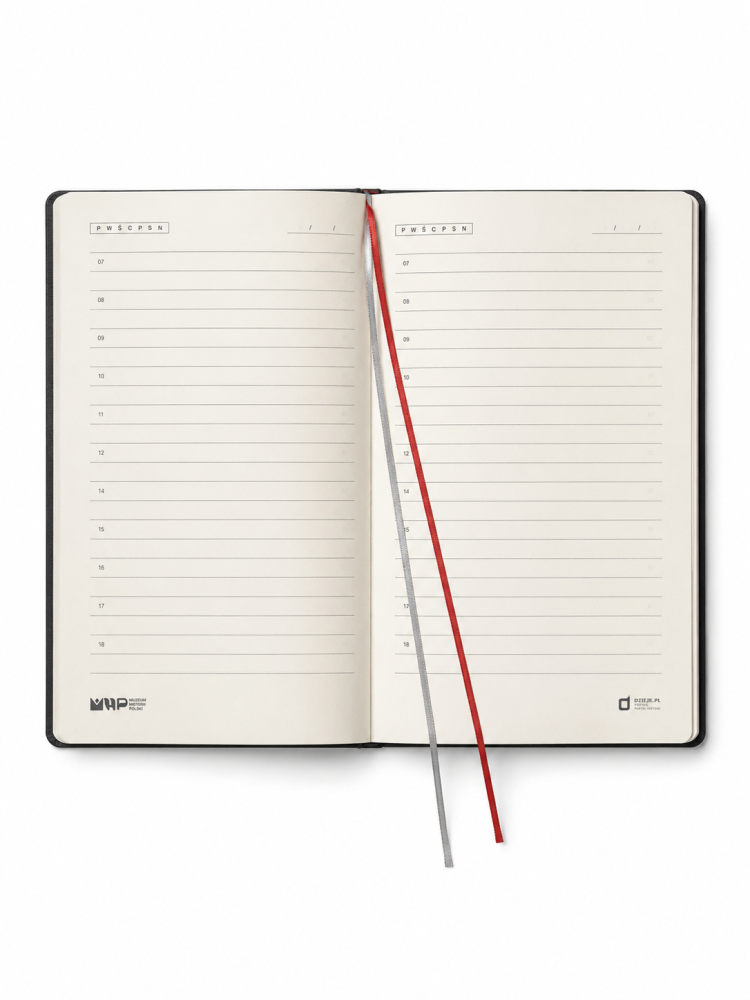
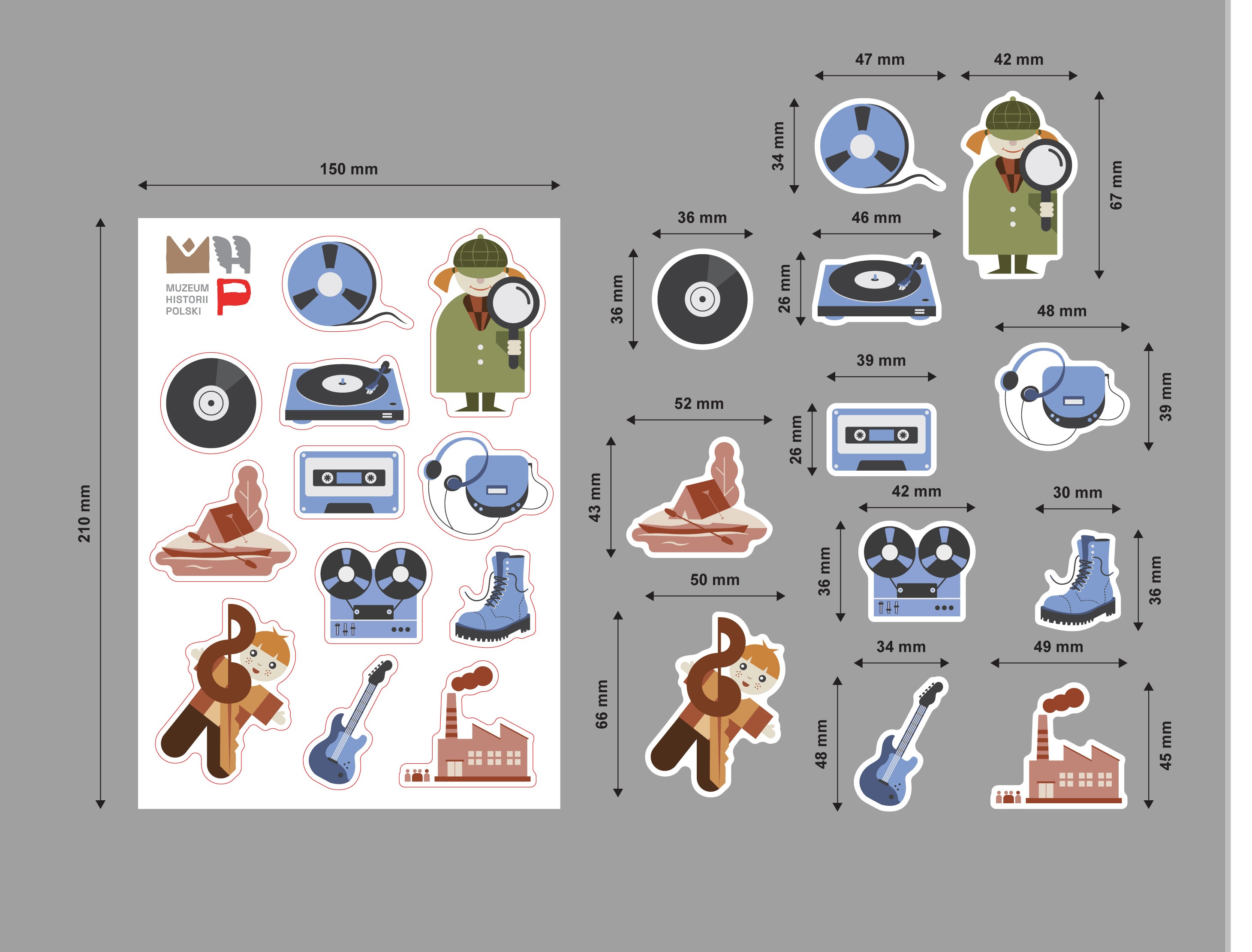
The display will be accompanied by an extensive program of events: concerts by legends of the PRL stage and contemporary artists reinterpreting old hits, performances by the museum choir, workshops, educational activities, film screenings, cultural and recreational events inspired by the forms popular in the era, as well as guided tours and historical workshops. An additional attraction will be a specially designed collection of stylized souvenirs. Through diverse forms of participation, visitors will be able to co-create the story of the musical world of the PRL.
The exhibition may also become a starting point for reflection on whether the PRL period still shapes our present. Can the highly developed, technological societies of democratic Europe draw lessons from times that seem, at first glance, so distant ideologically and culturally? Do threats to human freedom and artistic expression today take different, subtler, harder-to-detect — yet no less real — forms? In the age of algorithms, digital platforms, and global models of consumption, which increasingly influence culture, we will pose questions about the authenticity and independence of artists and their work. We will also reflect on the contemporary dimension of freedom of speech, the right to diversity, equality, dignity, and creative freedom.
A special place will be devoted to youth music — constantly evolving, concentrating the energy of creators and audiences, forming the foundation of communities, subcultures, and social movements, often going beyond the boundaries imposed by the state.
The narrative will be built around original artifacts from the era: unique items belonging to artists, objects from private collections, and music and film recordings embedded in the socio-political context of the PRL. Memorabilia connected to names and bands such as Mieczysław Fogg, Czesław Niemen, Maryla Rodowicz, Skaldowie, Kora Jackowska, TSA, Robert Brylewski, and Wojciech Waglewski will provide visitors with a personal encounter with the history of Polish music, making it a unique experience.
The exhibition will also illustrate what the PRL was in a mental sense — with all its facade-like qualities, restrictions on freedom of speech and expression. Particular attention will be given to the phenomenon of "lost potential" — the untapped creativity of many artists, resulting from censorship, economic conditions, social conformity, and political calculation. Artists will often face the choice between originality and conforming to the demands of the authorities and the expectations of the audience. The exhibition will not judge these decisions but will instead present their context and give voice to the creators.
The exhibition space of approx. 1,200 m² will be divided into stylized, semi-open thematic modules, guiding visitors through successive stages of the story. Multimedia will be consciously limited in favor of analog immersive and interactive forms that will reference the aesthetics of the era. The exception will be stations with testimonies of artists, journalists, and fans, recorded specifically for the exhibition.
The display will be accompanied by an extensive program of events: concerts by legends of the PRL stage and contemporary artists reinterpreting old hits, performances by the museum choir, workshops, educational activities, film screenings, cultural and recreational events inspired by the forms popular in the era, as well as guided tours and historical workshops. An additional attraction will be a specially designed collection of stylized souvenirs. Through diverse forms of participation, visitors will be able to co-create the story of the musical world of the PRL.
The exhibition may also become a starting point for reflection on whether the PRL period still shapes our present. Can the highly developed, technological societies of democratic Europe draw lessons from times that seem, at first glance, so distant ideologically and culturally? Do threats to human freedom and artistic expression today take different, subtler, harder-to-detect — yet no less real — forms? In the age of algorithms, digital platforms, and global models of consumption, which increasingly influence culture, we will pose questions about the authenticity and independence of artists and their work. We will also reflect on the contemporary dimension of freedom of speech, the right to diversity, equality, dignity, and creative freedom.
♦ Curators: Krzysztof Banach (Lead Curator), Marek Stremecki, Dr Tomasz Toborek, Dr Joanna Hübner-Wojciechowska
♦ Project Coordination: Emanuela Koper, Aleksandra Nasiorowska
♦ Production: Beata Bocian-Githehu, Emanuela Koper, Weronika Krzemień, Joanna Snopkowska, Małgorzata Targaszewska-Wasilewska, Ada Zoń
♦ Content Collaboration: Piotr Metz (consultations), Jarosław Szubrycht (consultations, review), Maciej Wzorek, Paulina Błaszczykiewicz (research), Piotr Gnidiuk, Wioletta Trzaskoma (licensing)
♦ Project Coordination: Emanuela Koper, Aleksandra Nasiorowska
♦ Production: Beata Bocian-Githehu, Emanuela Koper, Weronika Krzemień, Joanna Snopkowska, Małgorzata Targaszewska-Wasilewska, Ada Zoń
♦ Content Collaboration: Piotr Metz (consultations), Jarosław Szubrycht (consultations, review), Maciej Wzorek, Paulina Błaszczykiewicz (research), Piotr Gnidiuk, Wioletta Trzaskoma (licensing)
Media patrons



