

reading time:
Villa Regia – more fragments of monumental architecture recovered from the Vistula river
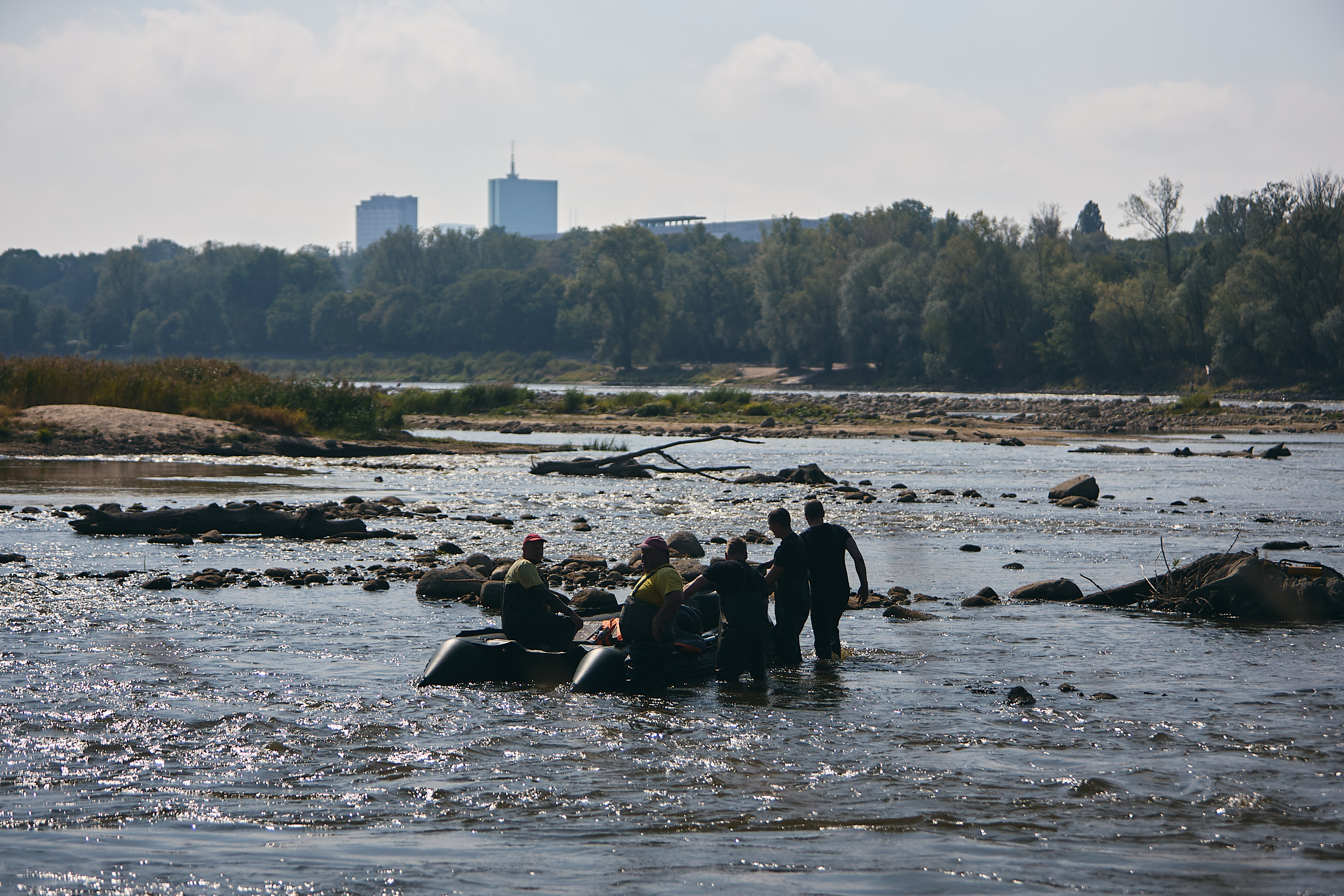
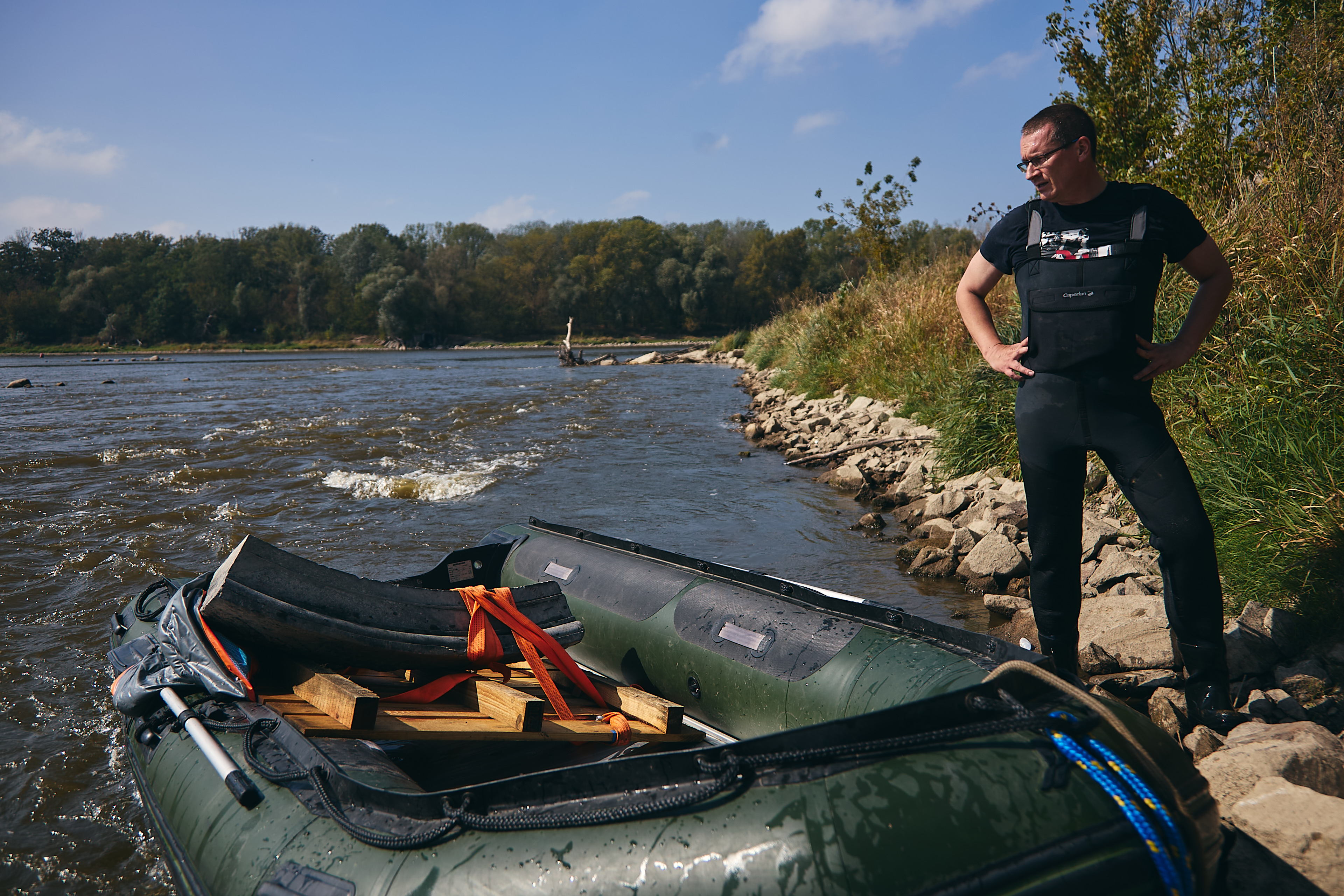
On September 10, 2025, the latest recovery works on the bottom of the Vistula were completed — at the site where, in 1656, a transport of loot taken from Warsaw by Swedish troops during the Deluge sank. The operation was carried out under the direction of Professor Hubert Kowalski from the University of Warsaw, with the support of the capital city of Warsaw.
More elements of the royal palace recovered after 350 years
During the operation, several elements from the 17th-century royal residence Villa Regia (the Kazimierzowski Palace) were recovered, including two exceptional artifacts of great historical significance.
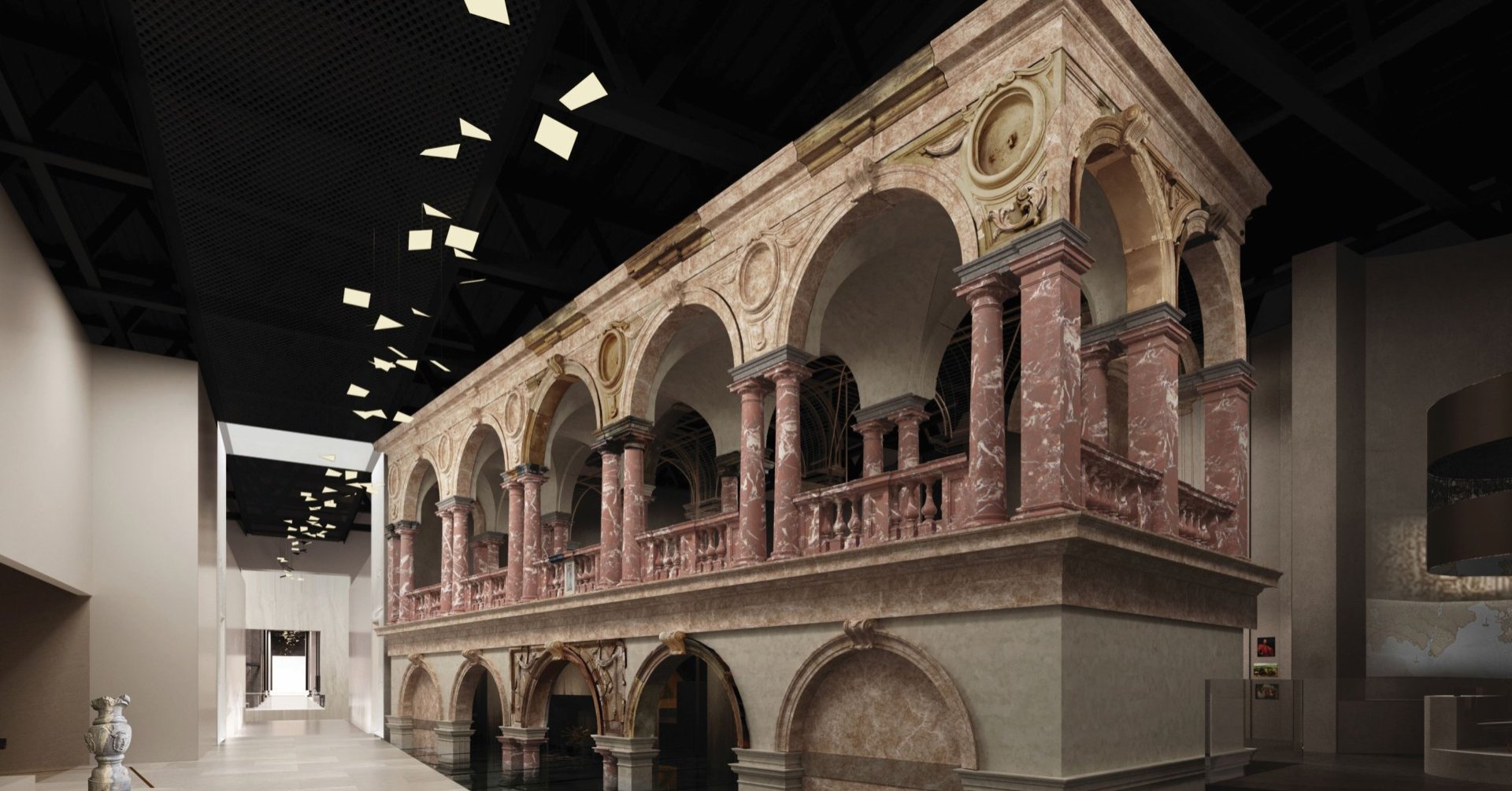
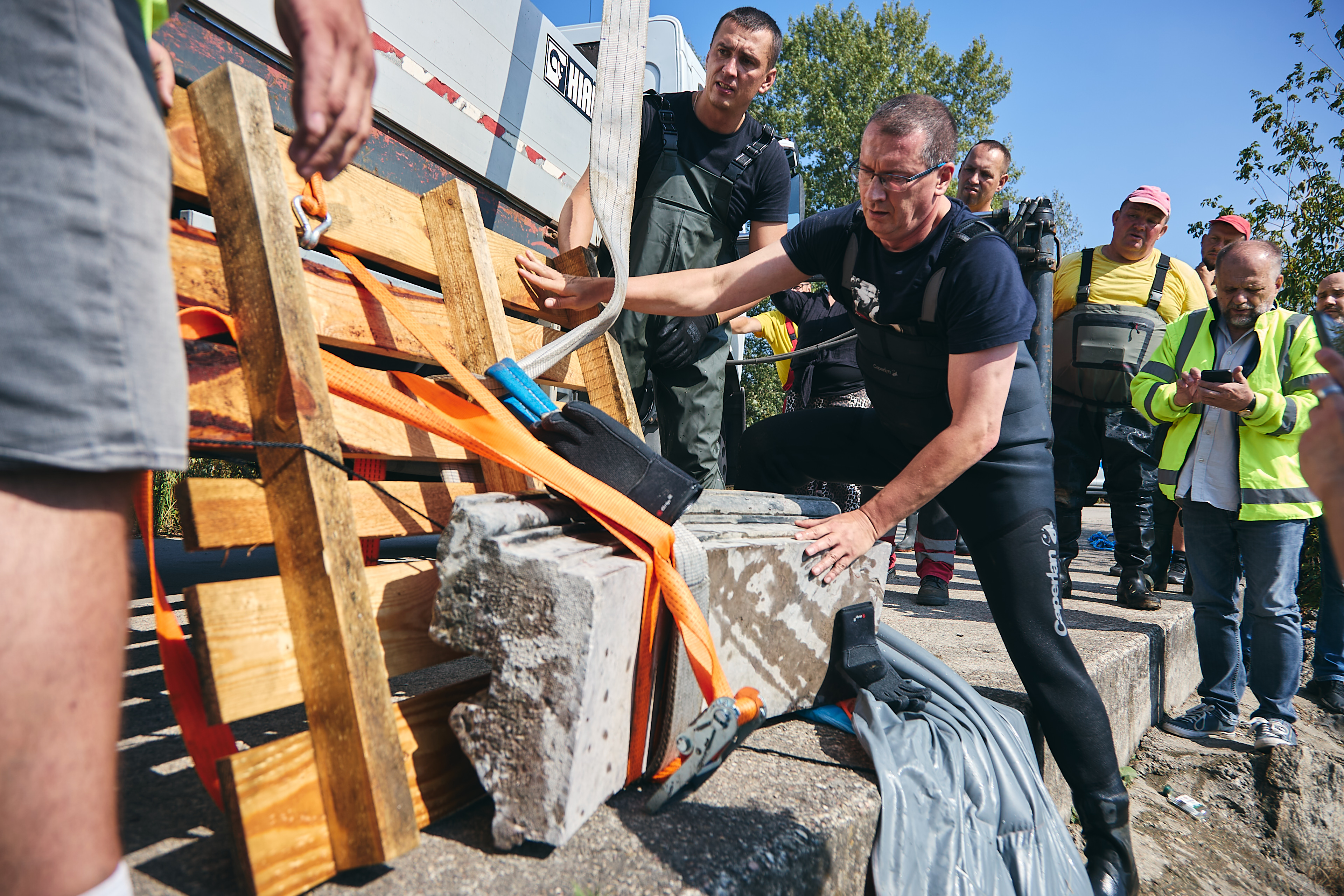
♦ A fragment of an arcade arch weighing over 200 kg – perfectly fitting the reconstruction of the external staircase of the Kazimierzowski Palace. Its elements will be displayed in the permanent exhibition of the Polish History Museum.
♦ A fragment of a pillar capital – previously unknown in the context of finds from this site, which will enable new measurements and provide valuable information for the reconstruction of the royal residence Villa Regia.
All recovered fragments have been secured and transferred to the collections of the Polish History Museum, where they will undergo further conservation and research work.
♦ A fragment of an arcade arch weighing over 200 kg – perfectly fitting the reconstruction of the external staircase of the Kazimierzowski Palace. Its elements will be displayed in the permanent exhibition of the Polish History Museum.
♦ A fragment of a pillar capital – previously unknown in the context of finds from this site, which will enable new measurements and provide valuable information for the reconstruction of the royal residence Villa Regia.
All recovered fragments have been secured and transferred to the collections of the Polish History Museum, where they will undergo further conservation and research work.




Expert Commentary
Krzysztof Niewiadomski, Deputy Director for Programming, Polish History Museum:
– The artifacts recovered today will expand the large collection of objects from the 17th-century royal residence Villa Regia already housed at the Polish History Museum. Based on them, we are preparing one of the most spectacular installations of the permanent exhibition – the reconstruction of the palace’s staircase. Through this monumental structure, we will tell the story of the power and wealth of the former Polish-Lithuanian Commonwealth and, by referring to the Swedish Deluge, also about the crisis of the state. Acquiring such valuable artifacts would not have been possible without strong cooperation with archaeologists, the City of Warsaw, and the regional heritage conservator.
Prof. Hubert Kowalski (University of Warsaw):
– From the moment we came across the first group of objects in 2011, we knew that the Vistula’s current was so strong that recovering everything in a single operation would be impossible. Each season brought new fragments of architecture – over 20 tons of material have been recovered to date. The 2015 season was a breakthrough – at the time, we thought it was the end. And yet every year the river reveals new remnants of the past. Since 2015, we no longer conduct regular archaeological excavations, but every year we monitor the site to check what new elements may be exposed as the water level drops.
– The artifacts recovered today will expand the large collection of objects from the 17th-century royal residence Villa Regia already housed at the Polish History Museum. Based on them, we are preparing one of the most spectacular installations of the permanent exhibition – the reconstruction of the palace’s staircase. Through this monumental structure, we will tell the story of the power and wealth of the former Polish-Lithuanian Commonwealth and, by referring to the Swedish Deluge, also about the crisis of the state. Acquiring such valuable artifacts would not have been possible without strong cooperation with archaeologists, the City of Warsaw, and the regional heritage conservator.
Prof. Hubert Kowalski (University of Warsaw):
– From the moment we came across the first group of objects in 2011, we knew that the Vistula’s current was so strong that recovering everything in a single operation would be impossible. Each season brought new fragments of architecture – over 20 tons of material have been recovered to date. The 2015 season was a breakthrough – at the time, we thought it was the end. And yet every year the river reveals new remnants of the past. Since 2015, we no longer conduct regular archaeological excavations, but every year we monitor the site to check what new elements may be exposed as the water level drops.
Villa Regia and the Kazimierzowski Palace – Warsaw’s Lost Heritage
Villa Regia, designed by Giovanni Battista Gisleni for King Władysław IV, was one of the most magnificent palaces of 17th-century Europe. Its monumental western loggia, decorated with the Sheaf coat of arms of the Vasa dynasty, was likely built on the occasion of the king’s marriage to Cecilia Renata of Austria.
During the Swedish Deluge, the residence was looted and destroyed. Architectural elements taken away — from marble cladding and tiles to fragments of monumental staircases — were partly sunk in the Vistula. These are the very pieces that archaeologists are recovering today from the river’s current, restoring fragments of Warsaw’s former splendor.
During the Swedish Deluge, the residence was looted and destroyed. Architectural elements taken away — from marble cladding and tiles to fragments of monumental staircases — were partly sunk in the Vistula. These are the very pieces that archaeologists are recovering today from the river’s current, restoring fragments of Warsaw’s former splendor.
Permanent exhibition at the Polish History Museum – opening in 2027
All discoveries from the Vistula will become part of the future permanent exhibition of the Polish History Museum at the Warsaw Citadel. In 2027, visitors will see a reconstruction of the staircase of the Kazimierzowski Palace and a fragment of the façade of Villa Regia — a testament to the former power and dramatic fate of the 17th-century Polish–Lithuanian Commonwealth.