

reading time:
VERNISSAGE
OF THE EXHIBITION
“GERO HELLMUTH. AGAINST OBLIVION”

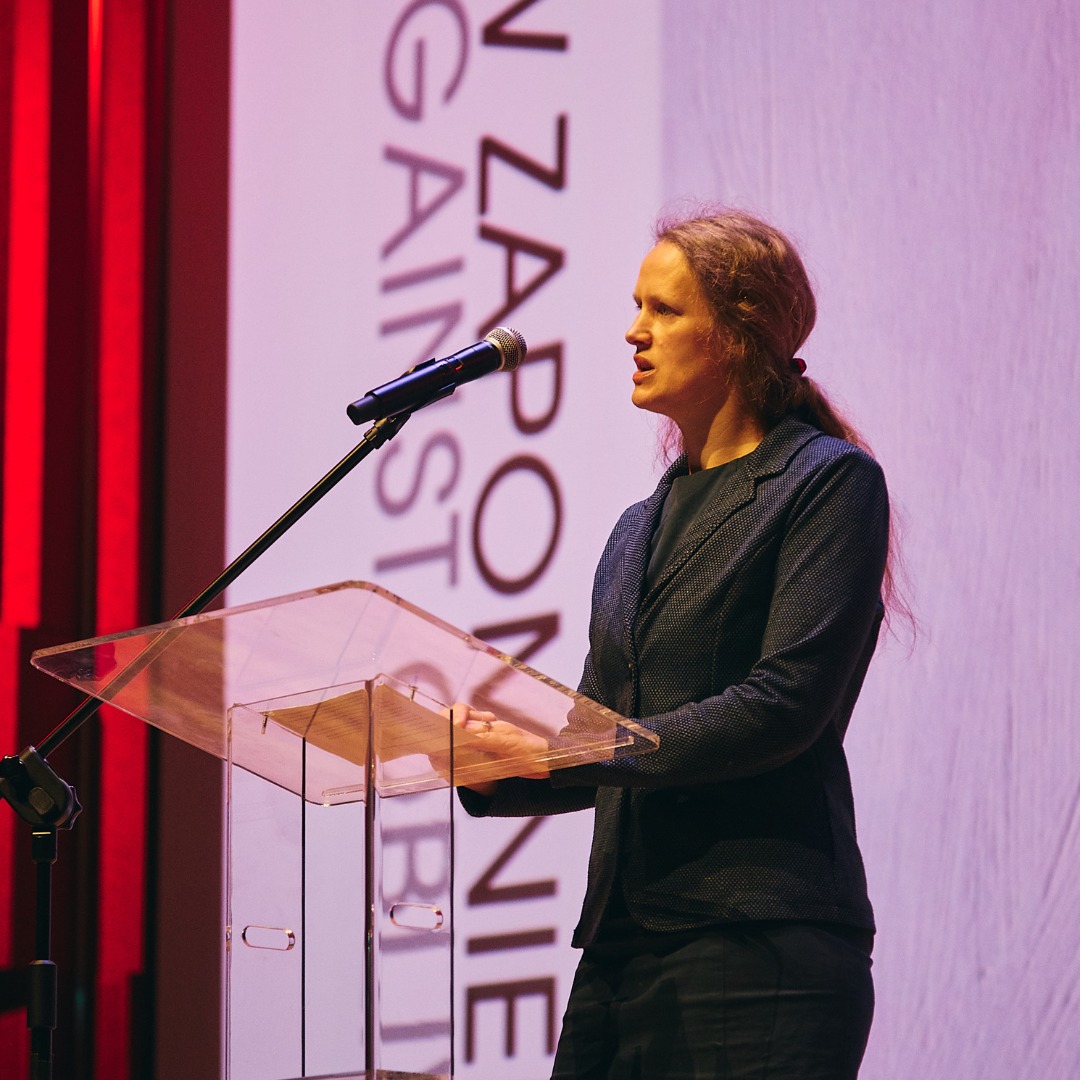
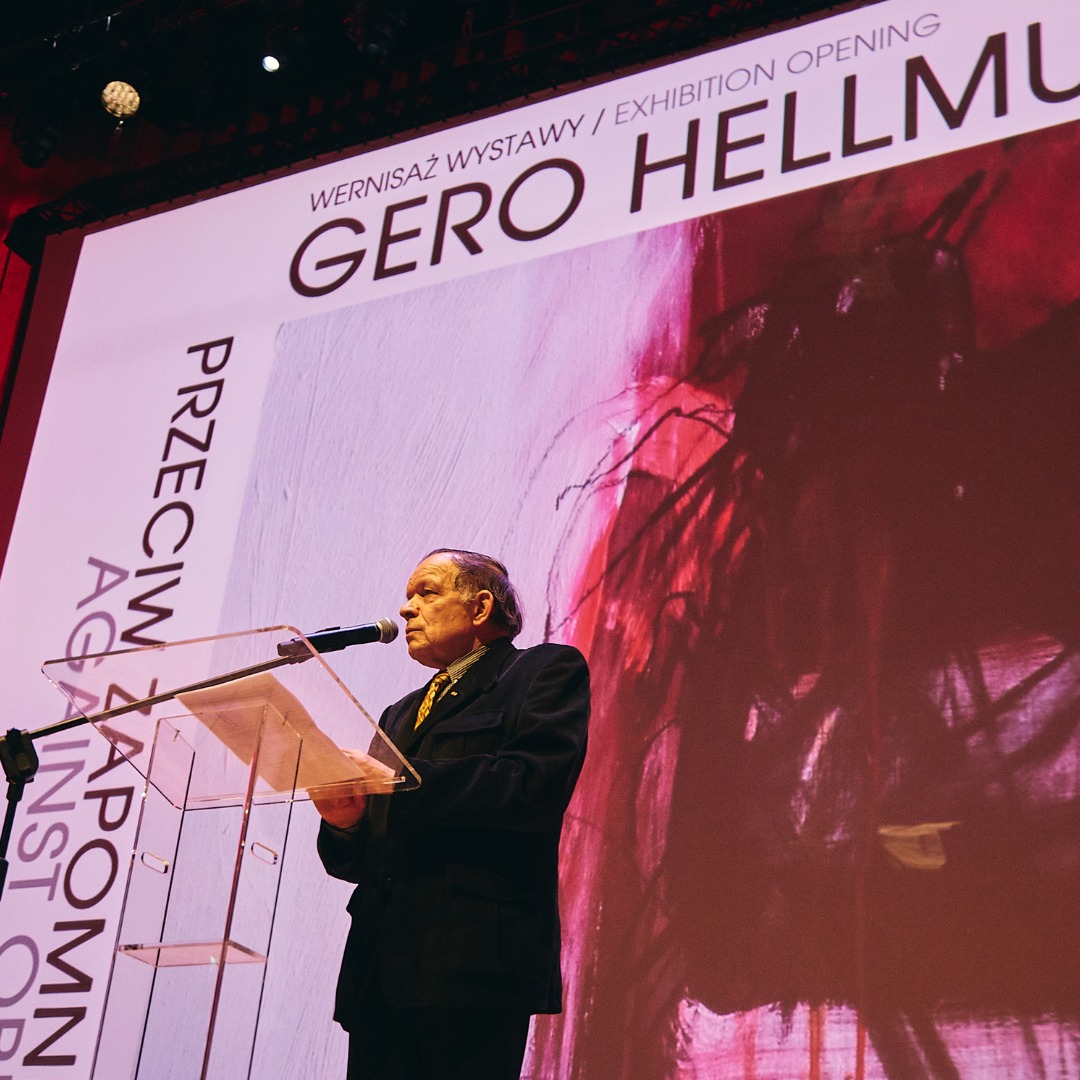
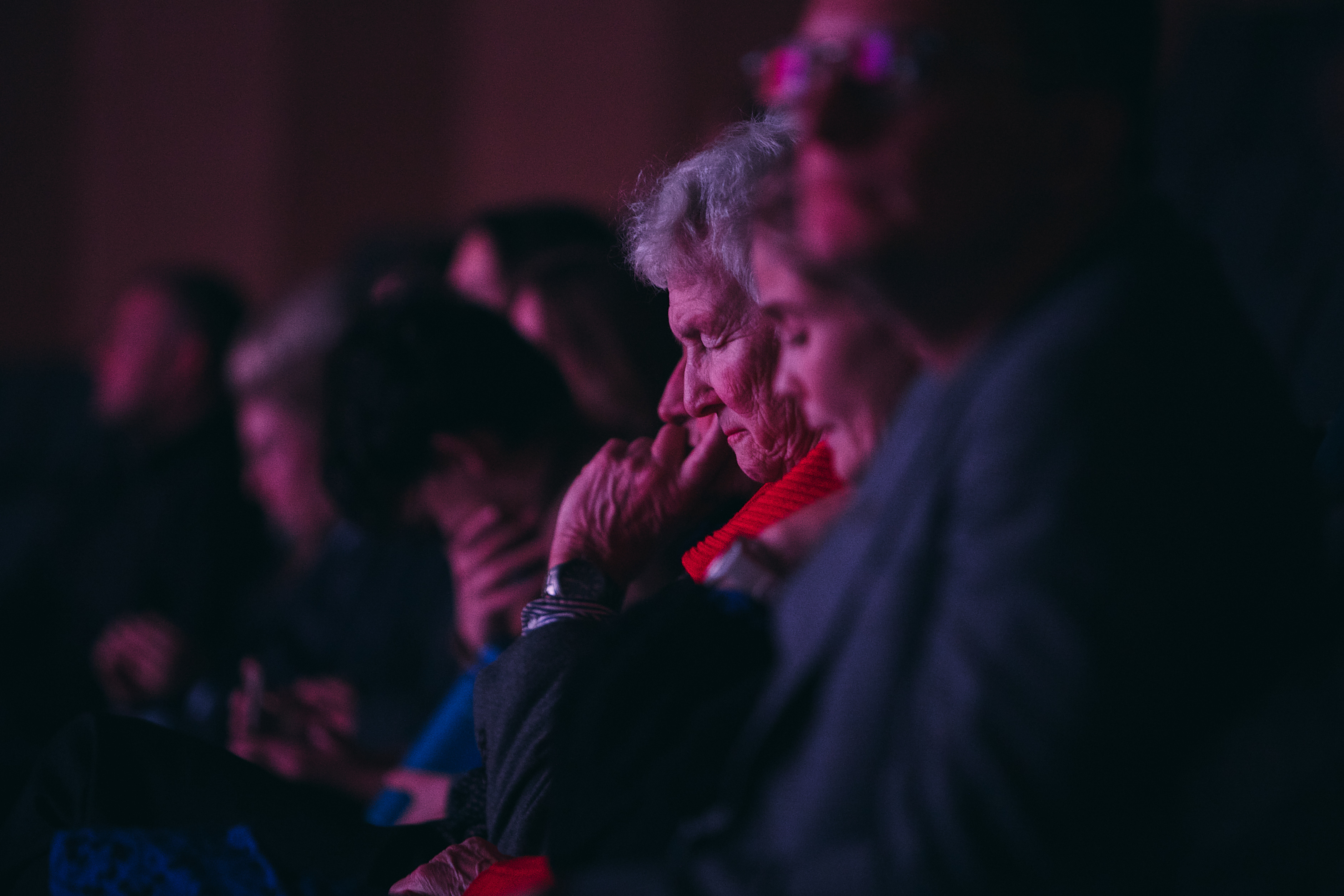
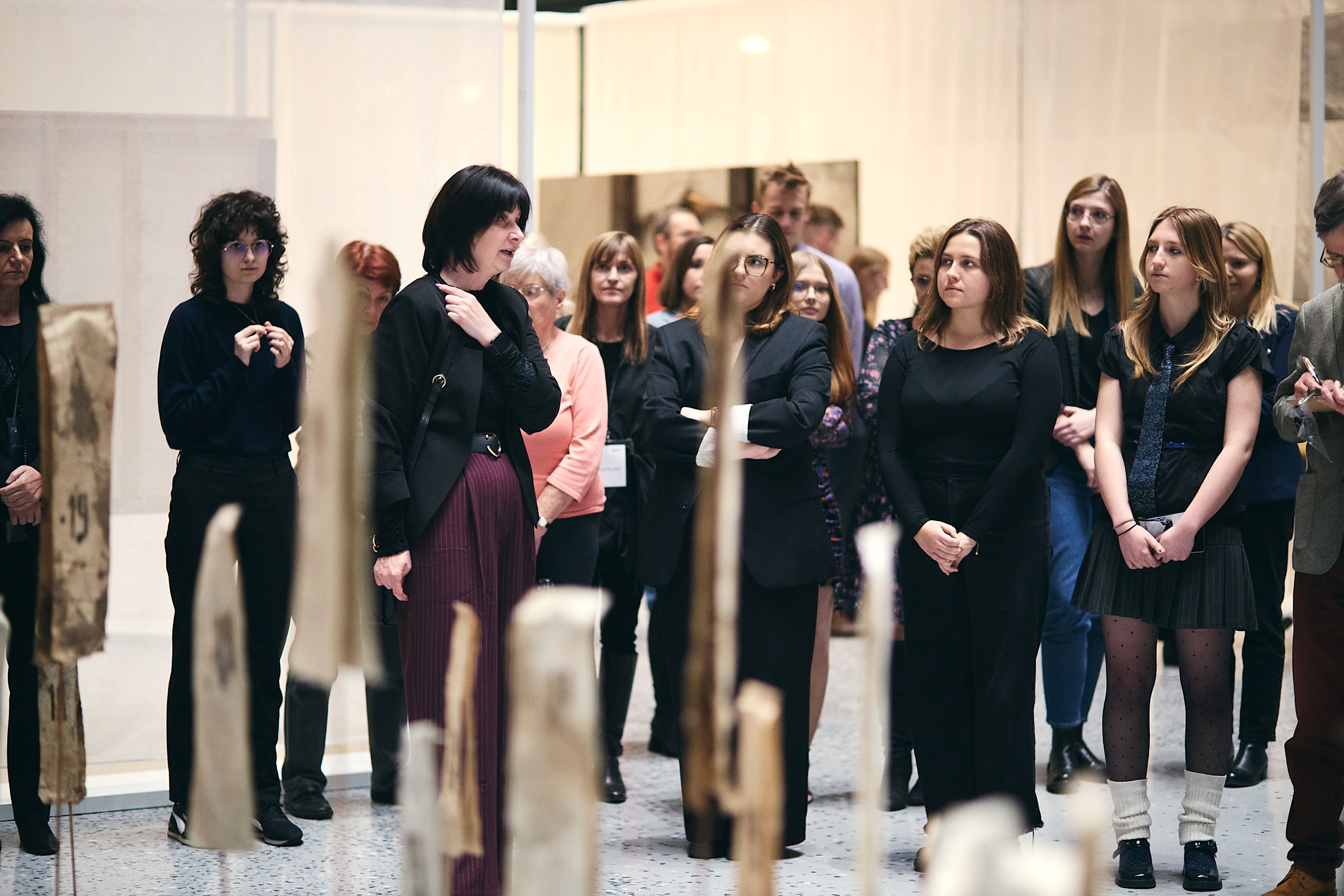
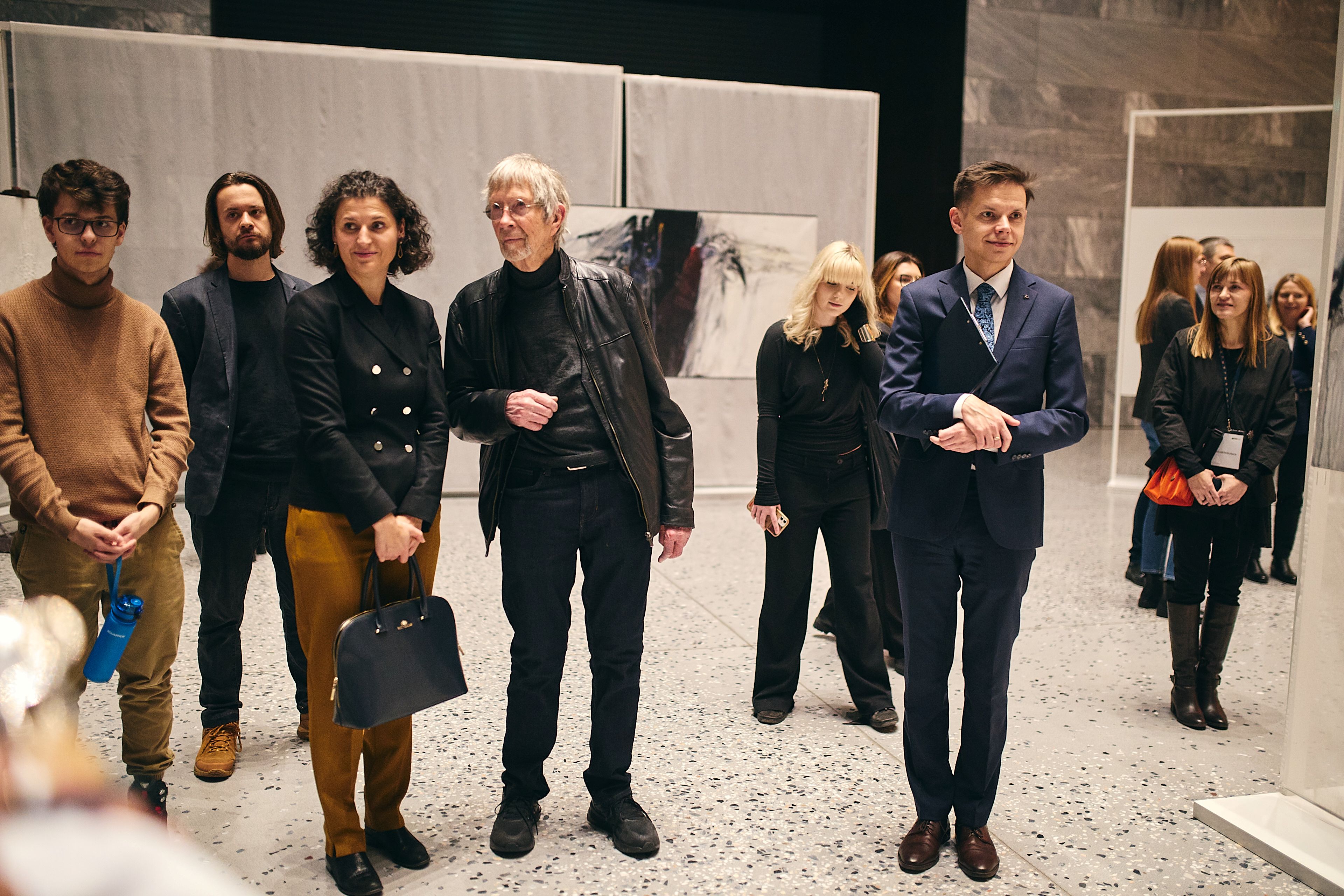
On November 27, 2025 at 6:00 PM, the Polish History Museum hosted the opening of the exhibition “Gero Hellmuth. Against Oblivion”, which drew a large audience. During the official ceremony, speeches were delivered by: Marcin Napiórkowski, Director of the Polish History Museum; Anna Rückheim-von Hassell, Head of the Cultural Department at the Embassy of the Federal Republic of Germany; the exhibition’s curator, Anna Ziębińska-Witek; publicist Bogdan Twardochleb; and the artist himself, Gero Hellmuth. After the formal part of the event, the evening’s host, Michał Przeperski, invited a the musicians — Ewa Gruszka-Dobrzyńska and Michał Dobrzyński — to take the stage.
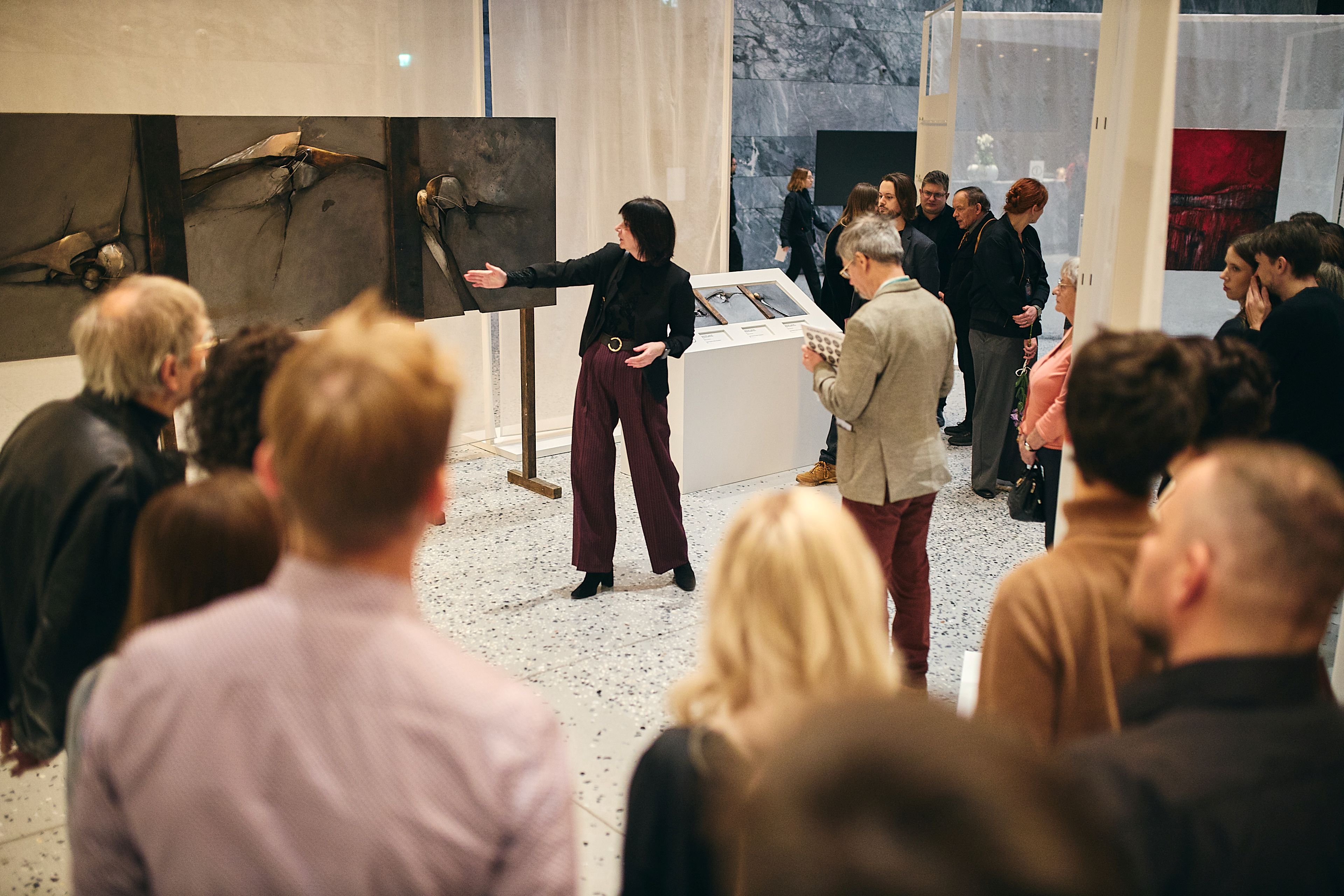
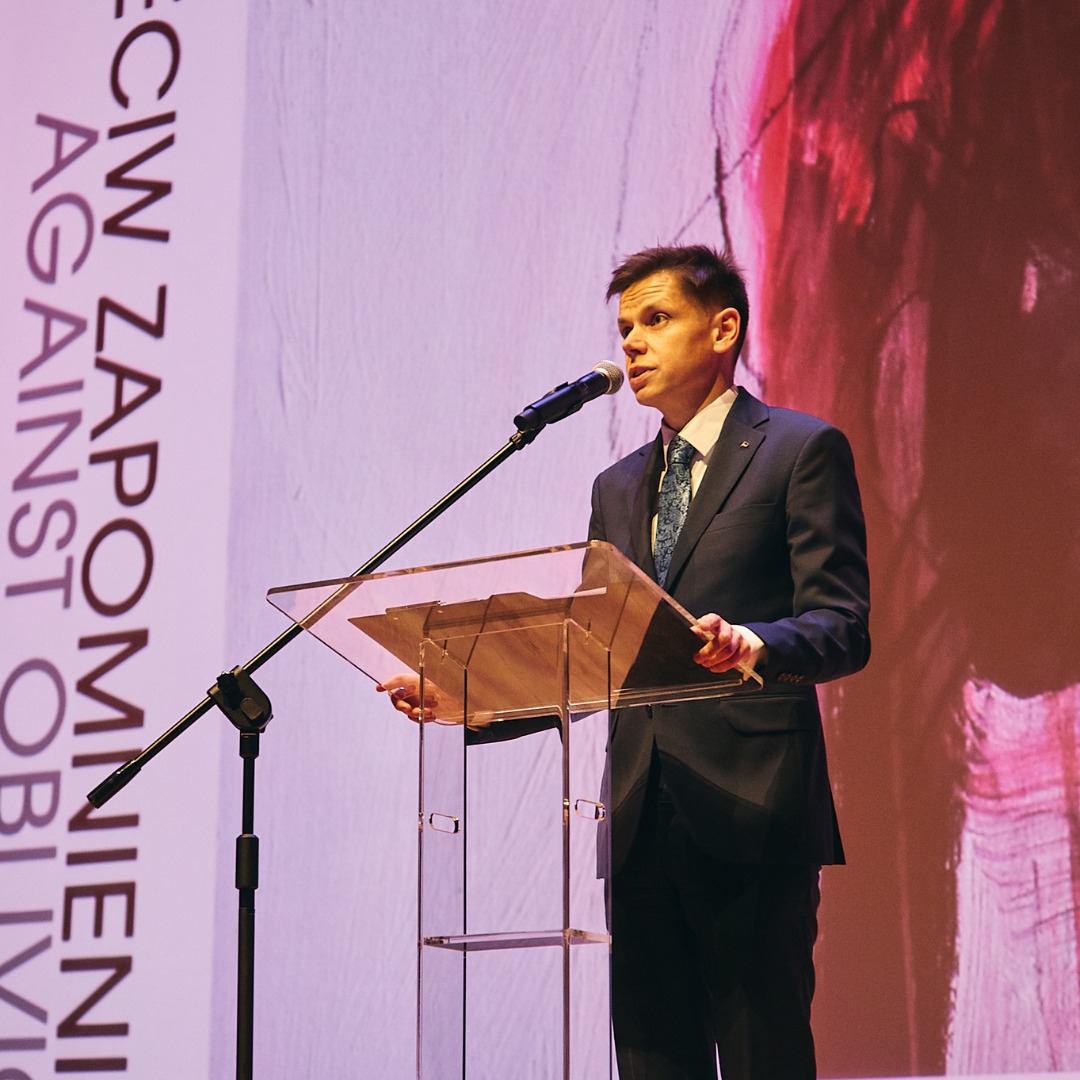
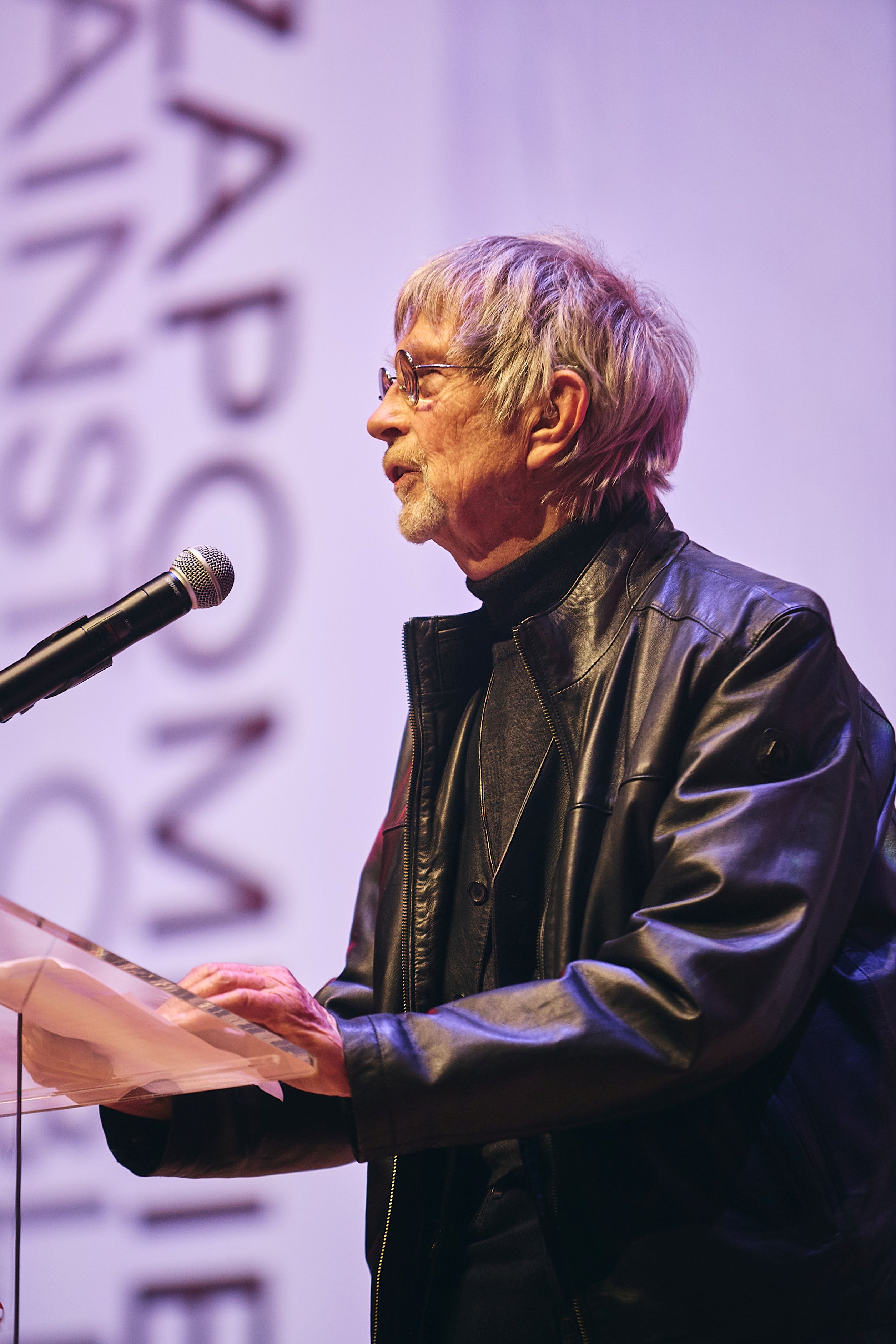
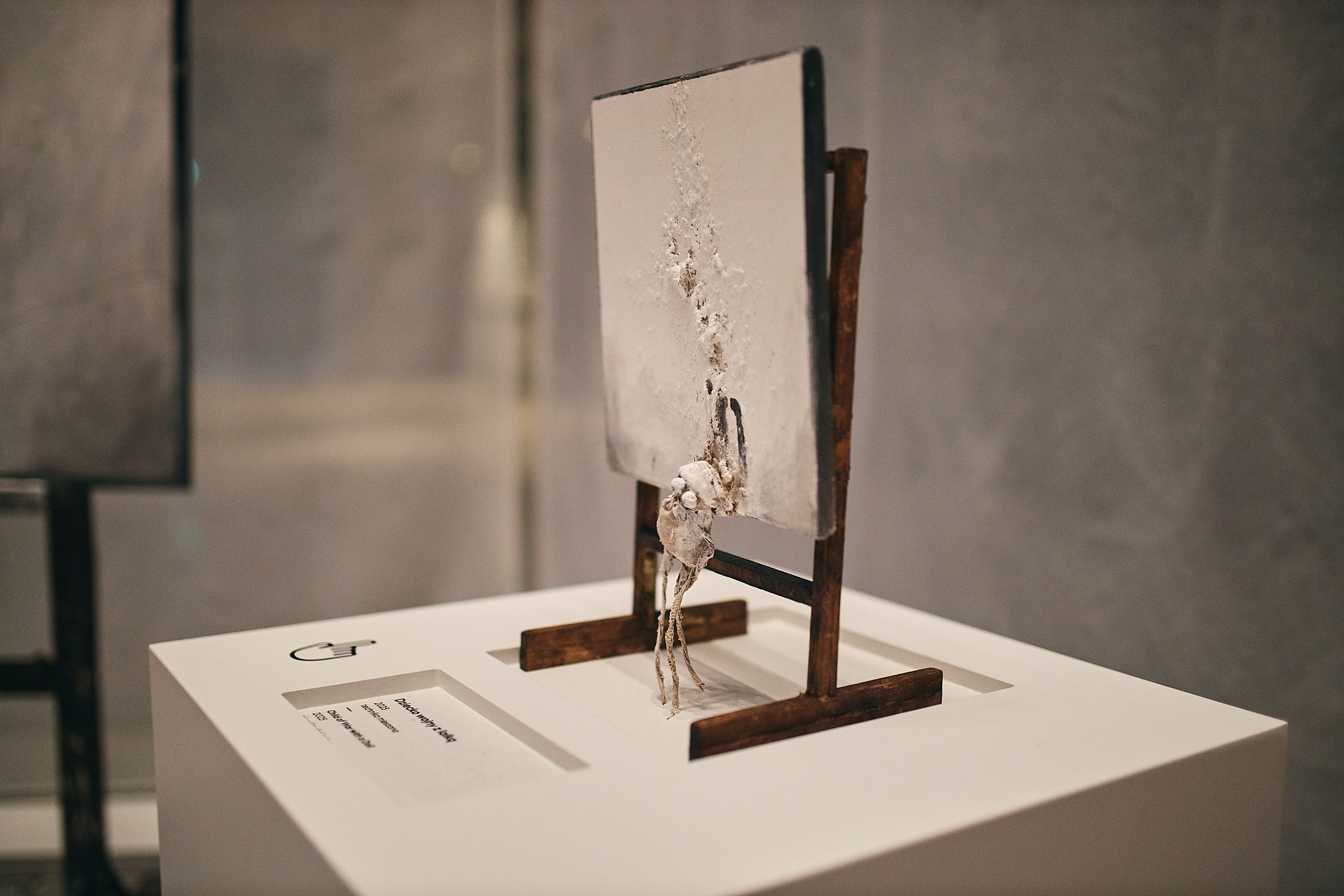




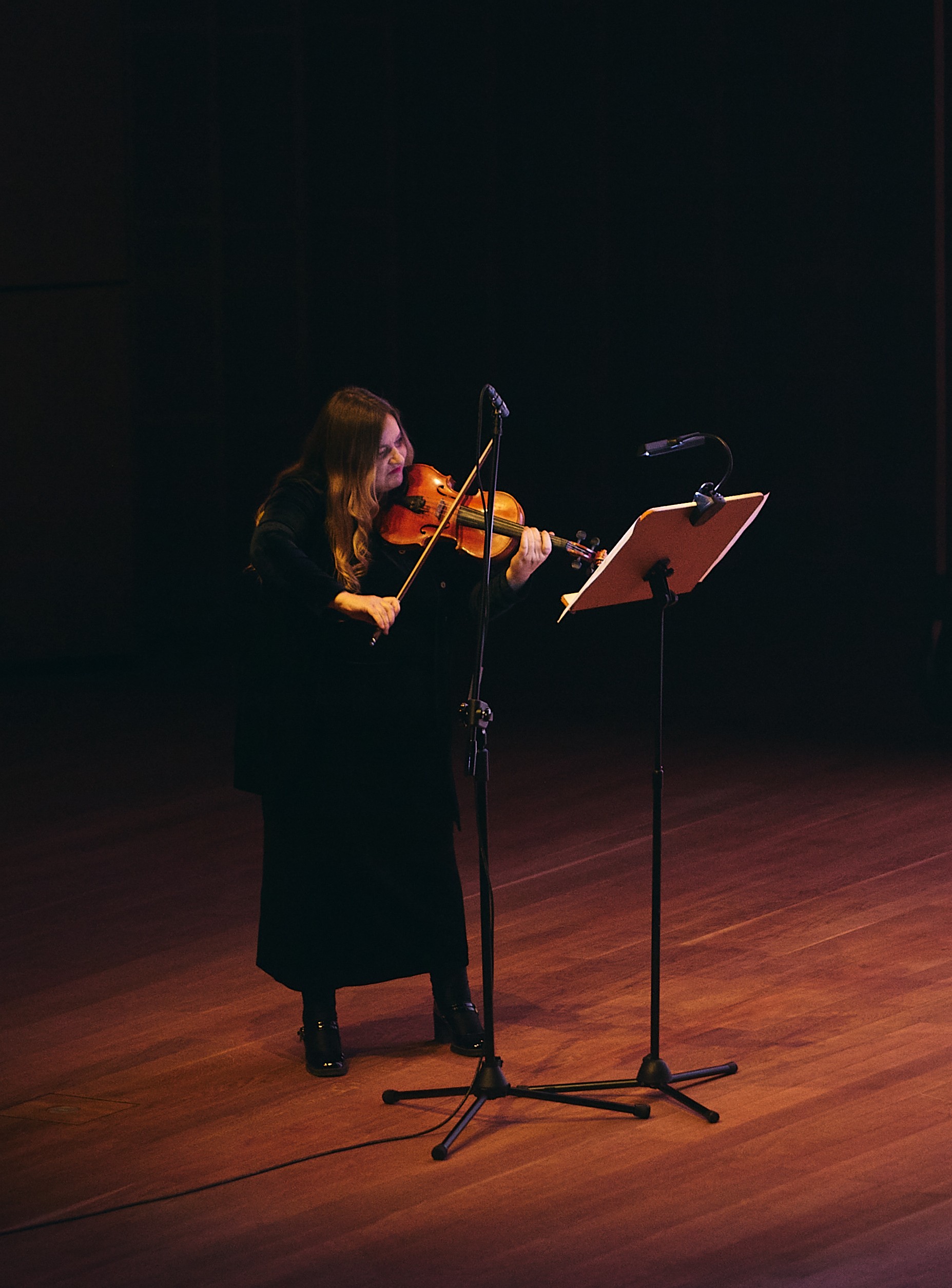
During the event, we listened to exceptional musical compositions created by the Polish composer Michał Dobrzyński and the violinist Ewa Gruszka-Dobrzyńska. Their music resonated perfectly with the themes of the exhibition, giving it an even deeper and more emotional dimension.


About the exhibition
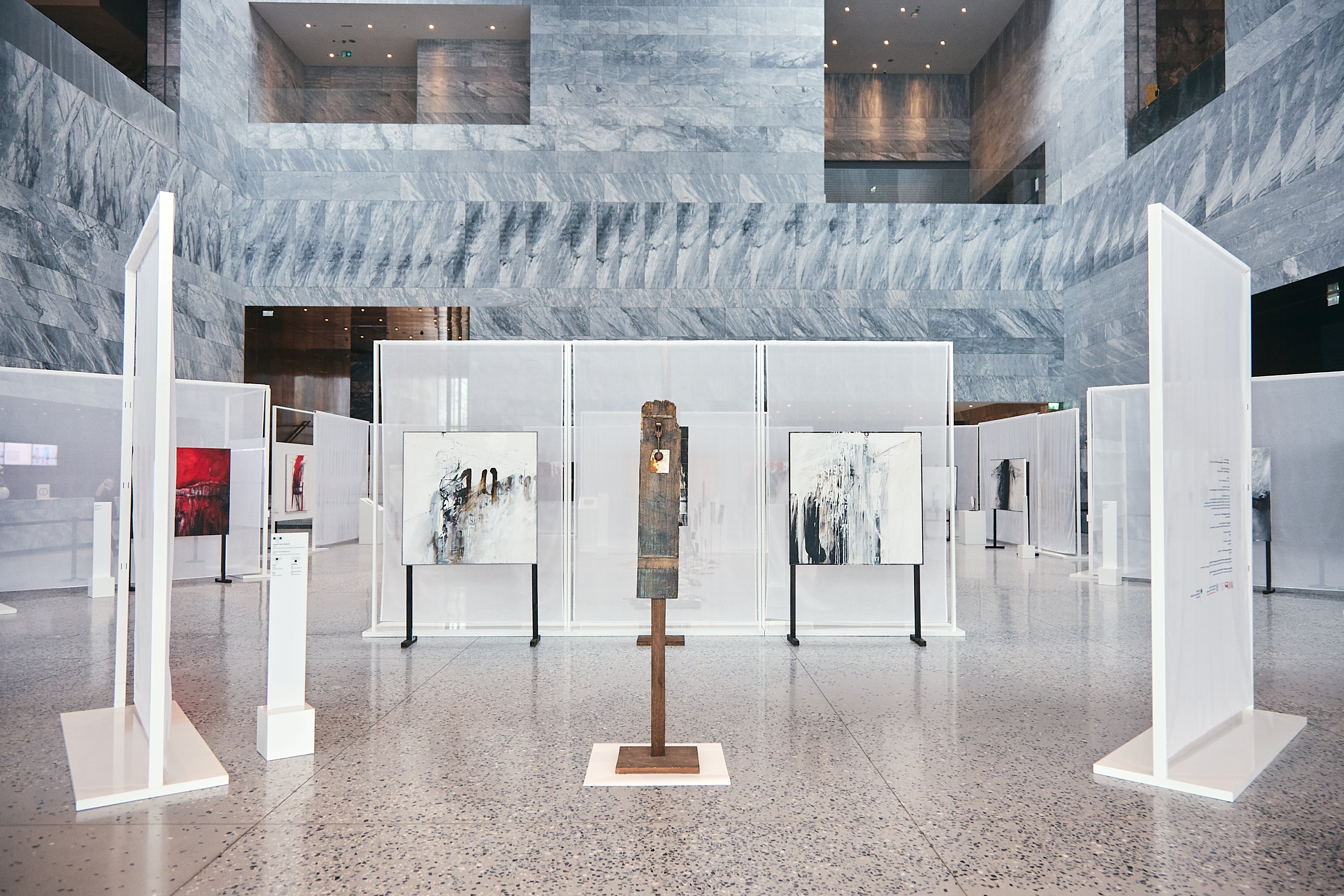
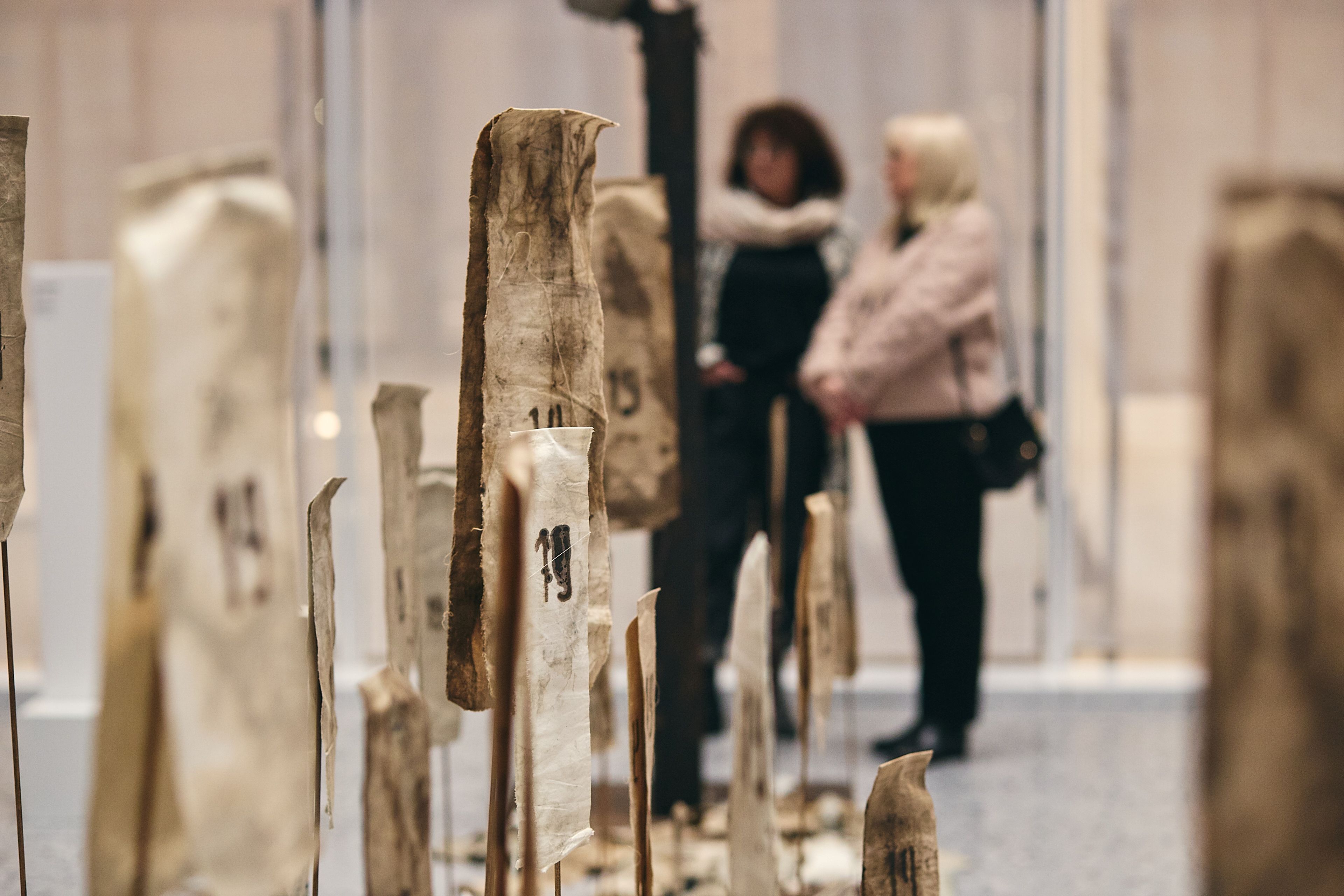
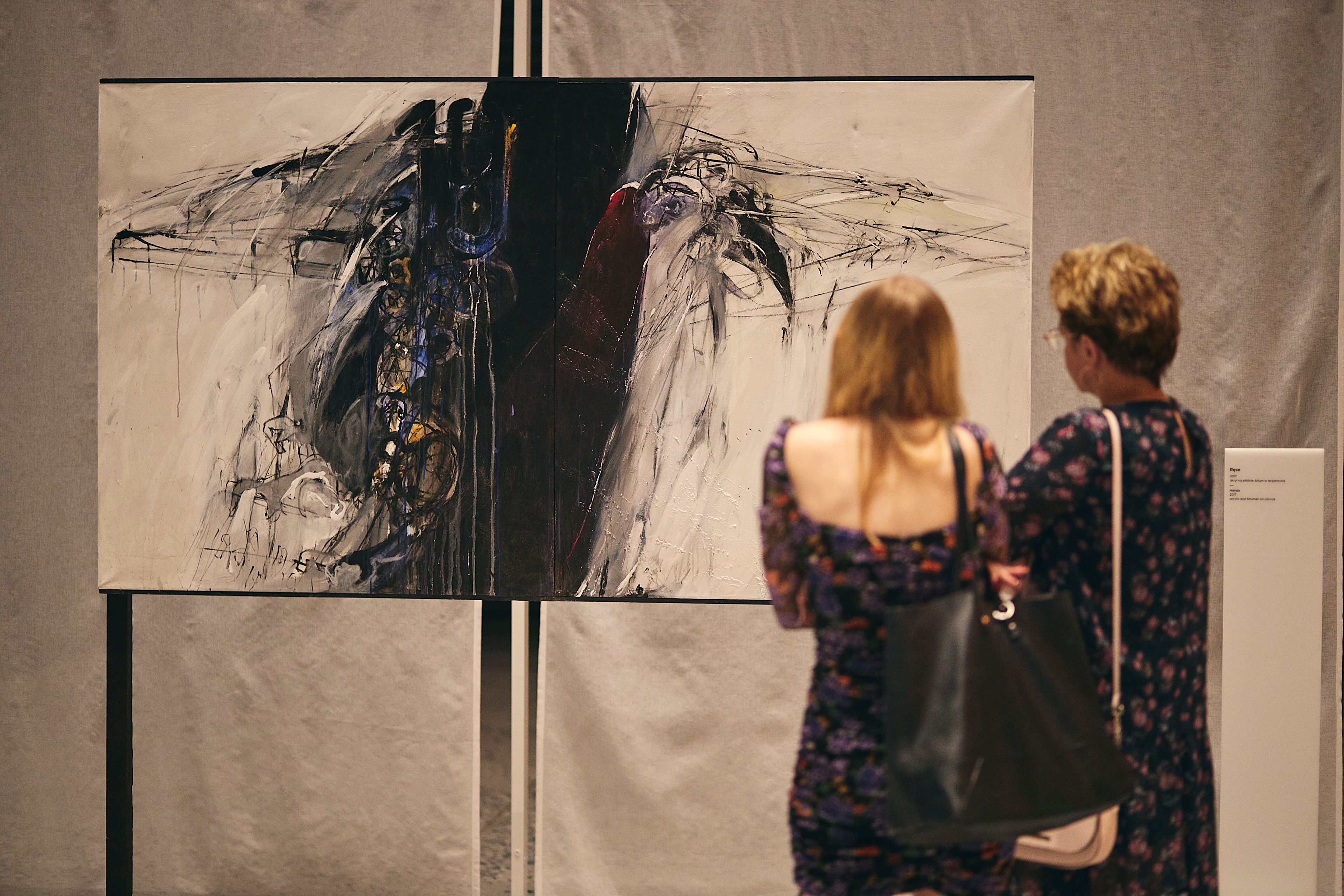
Gero Hellmuth’s exhibition is an artistic voice of protest against violence and oblivion. Rather than reconstructing historical events literally, the artist evokes their traces—affective, bodily, material. His works are records of memory—both collective and individual—and an attempt to grapple with what cannot be fully represented. Hellmuth’s pieces are not only a protest against war, but also an appeal to remember human tragedies that have no true end.
♦ War and Suffering
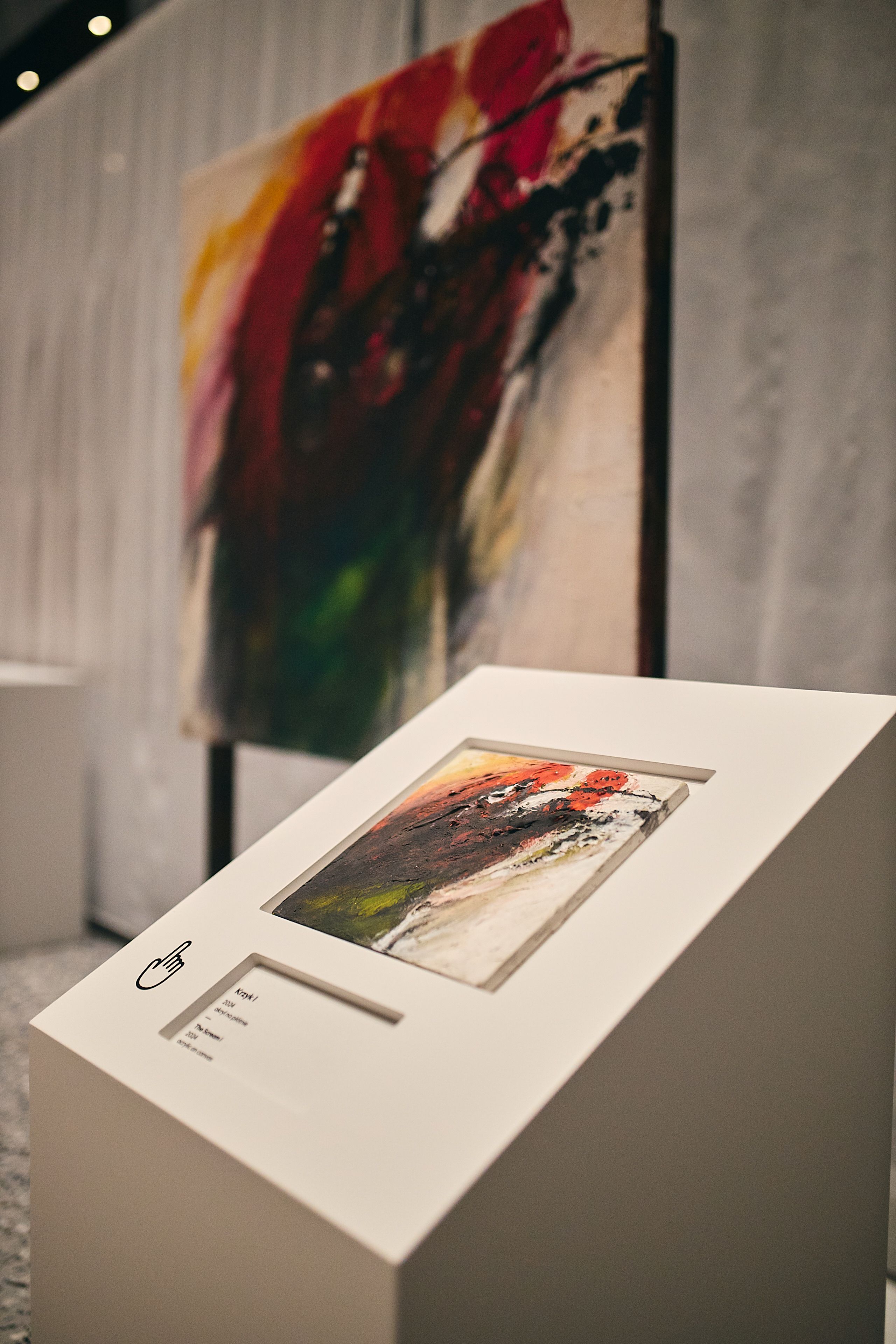
The first part of the exhibition confronts viewers with the horrors of war crimes, particularly those of the Second World War, with a strong emphasis on the Polish perspective. Works such as Path of Suffering, Hands, and Umschlagplatz address trauma, while images of children—victims of war—such as Child of War or The Scream, strike directly at the viewer’s emotions, symbolizing the loss of innocence.
♦ Reconstruction and Hope
This section brings a shift in tone, introducing brighter colors that symbolize hope. Works such as Cain and Abel or Job draw on biblical figures to explore not only violence, but also attempts to understand suffering. Hellmuth demonstrates that art can be a tool of forgiveness and reconciliation – not through oblivion, but through remembrance.
♦ Memory
This final part of the exhibition serves as a kind of closure, addressing the very essence of memory, which must be continually renewed. Many of Hellmuth’s works feature repetition—of forms, gestures, titles. The uncertainty of whether memory endures or fades lends the artist’s work a profound honesty. Repetition also becomes a metaphor for war, which continues to persist — not as an event confined to the past, but as something constantly present in our memory and culture.
♦ War and Suffering
The first part of the exhibition confronts viewers with the horrors of war crimes, particularly those of the Second World War, with a strong emphasis on the Polish perspective. Works such as Path of Suffering, Hands, and Umschlagplatz address trauma, while images of children—victims of war—such as Child of War or The Scream, strike directly at the viewer’s emotions, symbolizing the loss of innocence.
♦ Reconstruction and Hope
This section brings a shift in tone, introducing brighter colors that symbolize hope. Works such as Cain and Abel or Job draw on biblical figures to explore not only violence, but also attempts to understand suffering. Hellmuth demonstrates that art can be a tool of forgiveness and reconciliation – not through oblivion, but through remembrance.
♦ Memory
This final part of the exhibition serves as a kind of closure, addressing the very essence of memory, which must be continually renewed. Many of Hellmuth’s works feature repetition—of forms, gestures, titles. The uncertainty of whether memory endures or fades lends the artist’s work a profound honesty. Repetition also becomes a metaphor for war, which continues to persist — not as an event confined to the past, but as something constantly present in our memory and culture.


About the artist
Gero Hellmuth was born in Neustrelitz in Germany. He belongs to the generation that the Second World War took a serious toll on.
Due to his experience of being a child during the war and a refugee from Mecklenburg-Western Pomerania, his later work has become deeply influenced by his painful past. After completing his secondary school exams, he studied art, philosophy, and art history, and after finishing his education he settled in Singen, where he developed his art for decades. His works, created out of an inner necessity, aim to transform personal experience into a universal message about memory, violence, and humanity.
Due to his experience of being a child during the war and a refugee from Mecklenburg-Western Pomerania, his later work has become deeply influenced by his painful past. After completing his secondary school exams, he studied art, philosophy, and art history, and after finishing his education he settled in Singen, where he developed his art for decades. His works, created out of an inner necessity, aim to transform personal experience into a universal message about memory, violence, and humanity.
The title of the exhibition – “Against Oblivion” – is both a declaration and a warning. Hellmuth takes a stand against indifference, against forgetting, which can be just as dangerous as violence itself. His works do not attempt to reconstruct historical events. Instead, they evoke their traces – emotional and material.
The exhibition “Gero Hellmuth. Against Oblivion” can be viewed at the Polish History Museum until March 15, 2026. Entrance is free, and the display is available in both Polish and English.
We encourage you to visit the Polish History Museum and immerse yourself in art that compels reflection on our past and future.
The exhibition is held under the patronage of the Embassy of the Federal Republic of Germany and has been co-funded by the Ministry of Culture and National Heritage.
The performance by the artists — composer Michał Dobrzyński and violinist Ewa Gruszka-Dobrzyńska — was made possible thanks to financial support from the City of Bydgoszcz.
The exhibition “Gero Hellmuth. Against Oblivion” can be viewed at the Polish History Museum until March 15, 2026. Entrance is free, and the display is available in both Polish and English.
We encourage you to visit the Polish History Museum and immerse yourself in art that compels reflection on our past and future.
The exhibition is held under the patronage of the Embassy of the Federal Republic of Germany and has been co-funded by the Ministry of Culture and National Heritage.
The performance by the artists — composer Michał Dobrzyński and violinist Ewa Gruszka-Dobrzyńska — was made possible thanks to financial support from the City of Bydgoszcz.