
reading time:
The Round Table ends up in the Polish History Museum
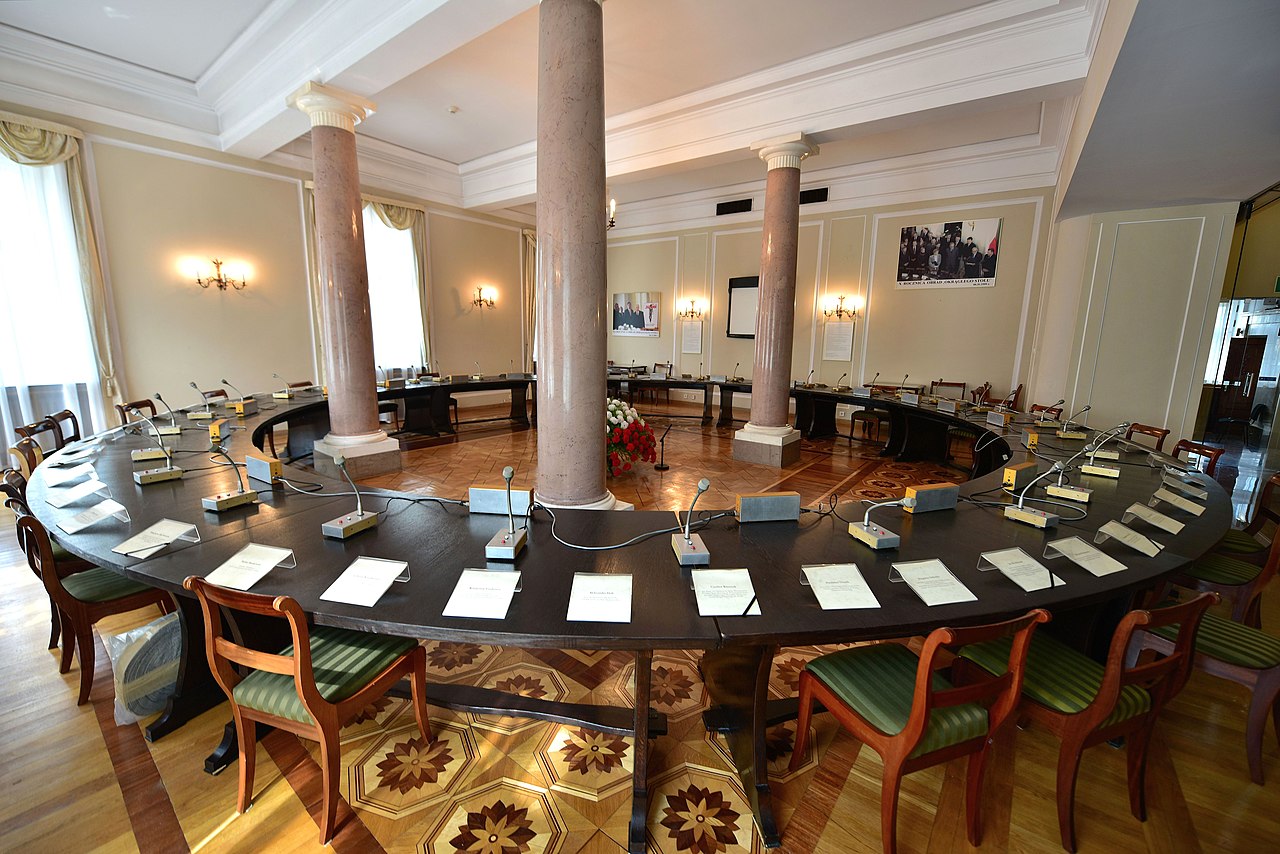
The Round Table has found its way to where it belongs — in a space that best protects and interprets important artefacts from the history of our state and nation. It has been placed in the Museum of Polish History — an institution that not only safeguards national heritage, but also tells the story of the key experiences of our past. The decision to relocate it has stirred strong emotions, which is why it is worth looking at it more broadly, from the perspective of what we want to preserve, understand, and pass on to future generations.
The Polish History Museum is not a symbolic dumping ground nor a marginal space. It is the largest museum investment in Poland’s post-1989 era, with modern infrastructure, conservation facilities, and a team of specialists. The permanent exhibition currently being developed — covering nearly 8,000 square metres and featuring several thousand original objects — will present the history of Poland from the Middle Ages to the present day. Elements of the Round Table will be among the key witnesses of the breakthrough year 1989.
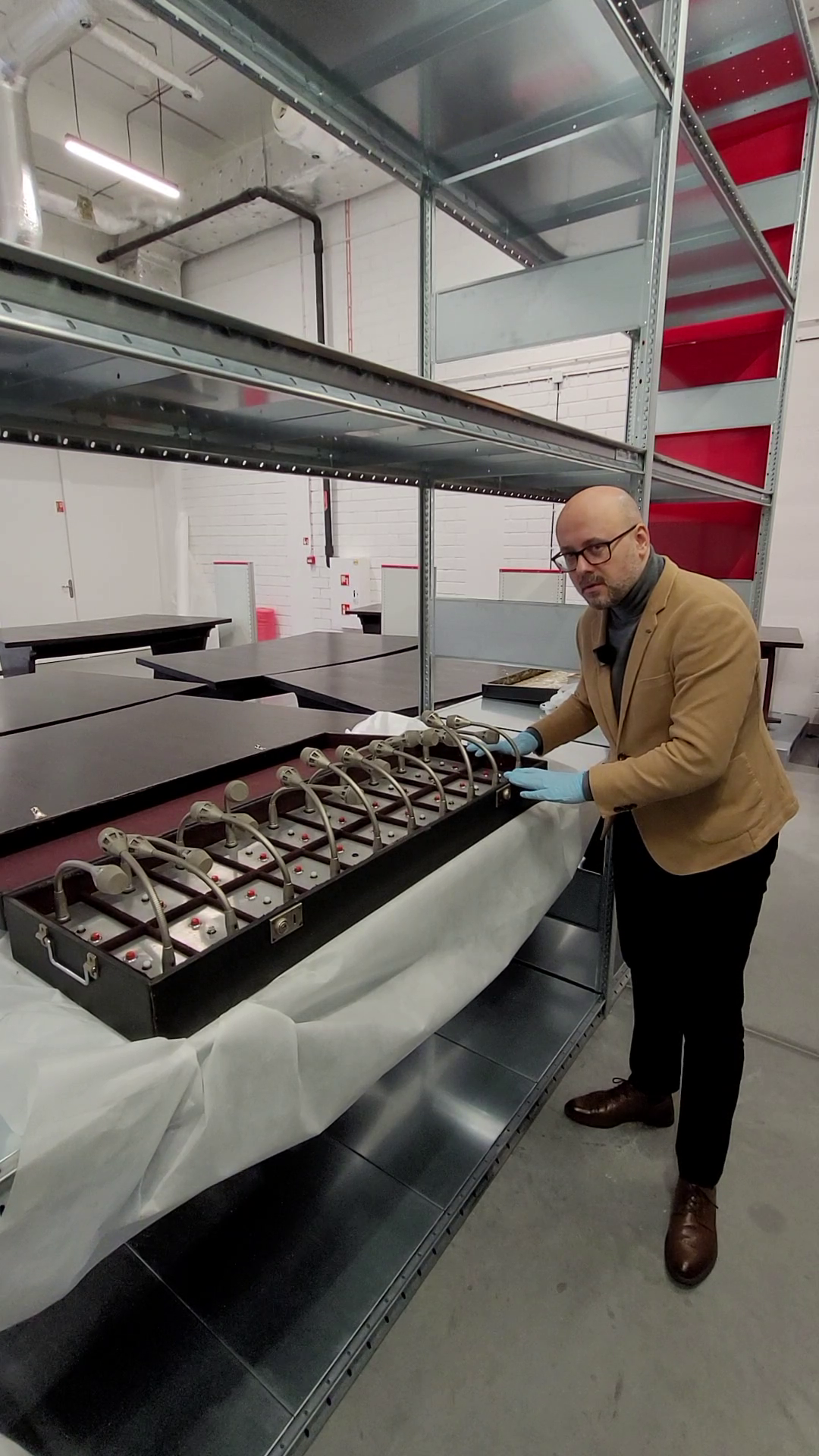
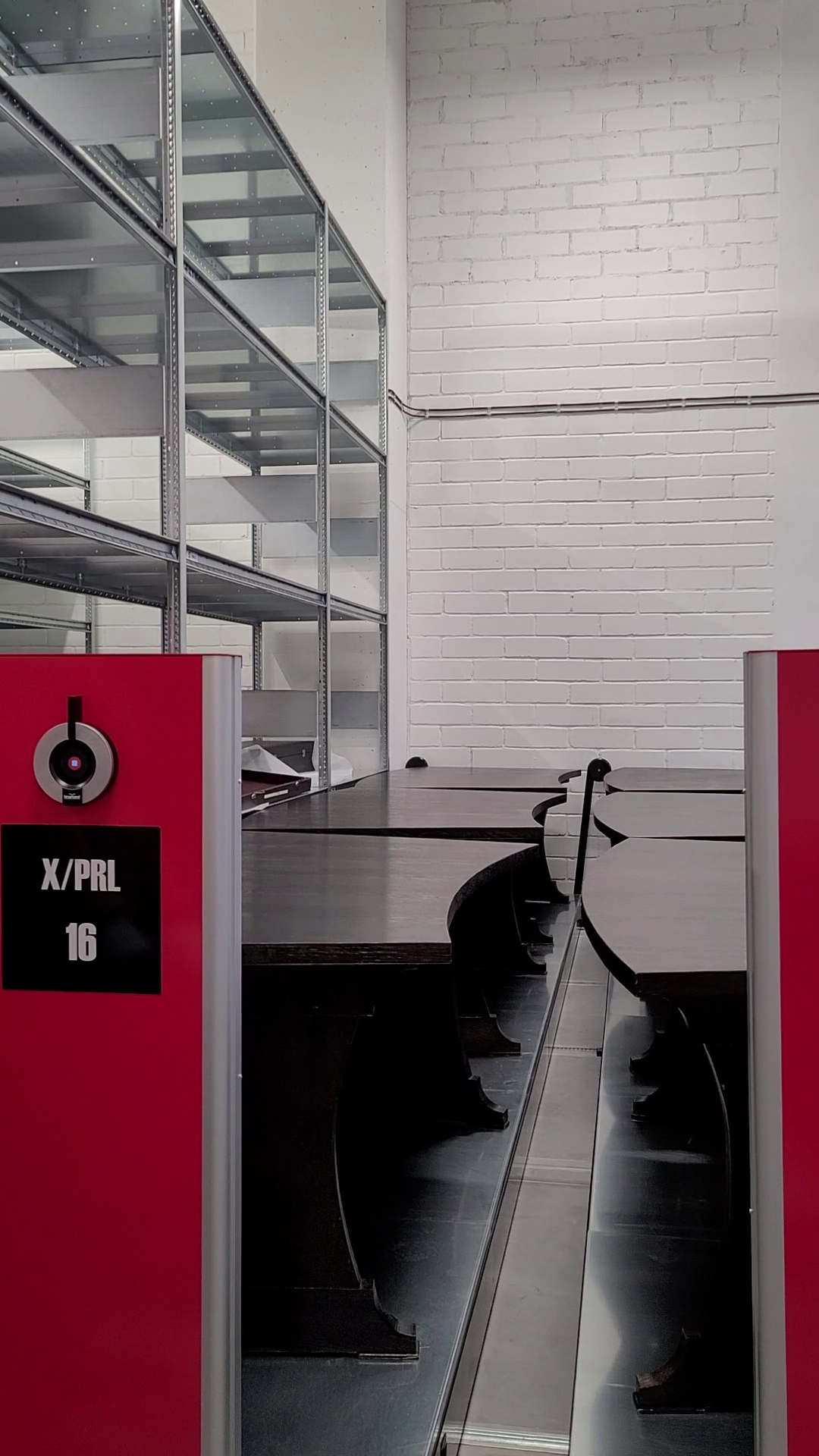
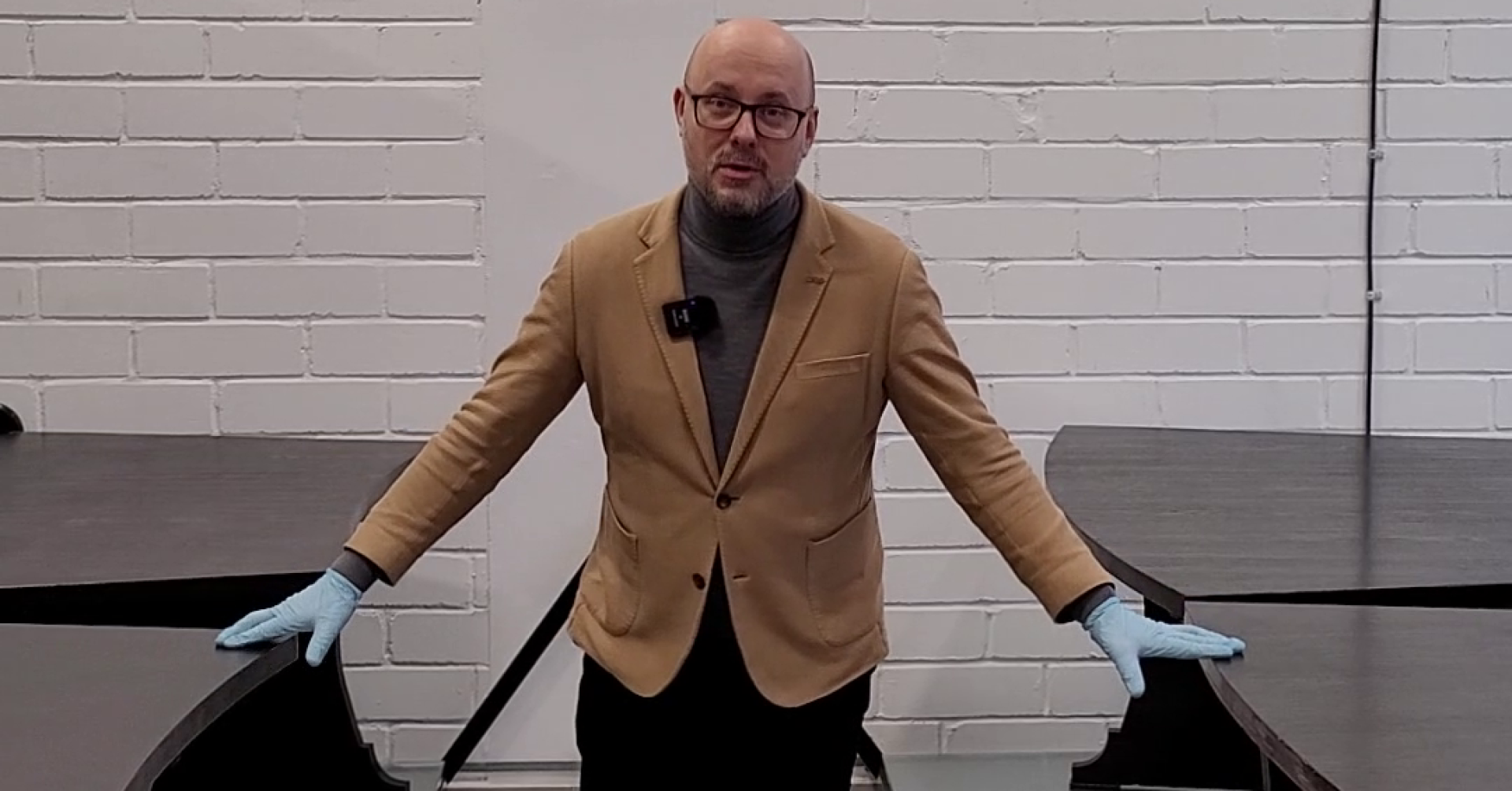
This piece of furniture has been placed in one of the most advanced museum storage facilities in Europe. It has been secured in accordance with the highest standards and is being prepared for an exhibition that will provide it with the proper historical context. In the museum, the Round Table ceases to be an object of a short-term dispute and becomes a source — a material document of an era of negotiations, compromise, and political transformation. At the same time, it remains a subject of discussion about the meaning of national history, our ambitions, and the consequences of our choices.
Efforts to place the Round Table in the Polish History Museum continued for years. They were initiated by the first director of the Museum, Robert Kostro, back during the presidency of Bronisław Komorowski. They were persistently pursued in the years that followed, and today they have finally been brought to success. The decision of President Karol Nawrocki therefore marks the culmination of a long-term process. It represents continuity rather than a break with the past.
In the spring of 2027, with the opening of the Museum’s permanent exhibition, the Round Table will be presented as part of the story of the decline of the People’s Republic of Poland, the June 4th, 1989 elections, and the birth of the Third Republic. It will be embedded in a broader narrative about the path from authoritarianism to democracy, the limitations of compromise, and its long-term consequences. In the museum, this symbol finds the best possible place for itself — where history meets reflection, and memory meets responsibility. It is an invitation to a calm, mature conversation about 1989 and its legacy.
The museum does not close this story — it opens it: for researchers, teachers, students, and all those who wish to understand how complex that moment of change truly was. The Round Table in the Polish History Museum does not lose its meaning — on the contrary, it gains meaning through context, comparison, and critical reflection, all of which are essential for a mature account of the past. This is how we see the role of our museum: to order emotions, not to shy away from disputes, and to present history in all its complexity.
This piece of furniture has been placed in one of the most advanced museum storage facilities in Europe. It has been secured in accordance with the highest standards and is being prepared for an exhibition that will provide it with the proper historical context. In the museum, the Round Table ceases to be an object of a short-term dispute and becomes a source — a material document of an era of negotiations, compromise, and political transformation. At the same time, it remains a subject of discussion about the meaning of national history, our ambitions, and the consequences of our choices.
Efforts to place the Round Table in the Polish History Museum continued for years. They were initiated by the first director of the Museum, Robert Kostro, back during the presidency of Bronisław Komorowski. They were persistently pursued in the years that followed, and today they have finally been brought to success. The decision of President Karol Nawrocki therefore marks the culmination of a long-term process. It represents continuity rather than a break with the past.
In the spring of 2027, with the opening of the Museum’s permanent exhibition, the Round Table will be presented as part of the story of the decline of the People’s Republic of Poland, the June 4th, 1989 elections, and the birth of the Third Republic. It will be embedded in a broader narrative about the path from authoritarianism to democracy, the limitations of compromise, and its long-term consequences. In the museum, this symbol finds the best possible place for itself — where history meets reflection, and memory meets responsibility. It is an invitation to a calm, mature conversation about 1989 and its legacy.
The museum does not close this story — it opens it: for researchers, teachers, students, and all those who wish to understand how complex that moment of change truly was. The Round Table in the Polish History Museum does not lose its meaning — on the contrary, it gains meaning through context, comparison, and critical reflection, all of which are essential for a mature account of the past. This is how we see the role of our museum: to order emotions, not to shy away from disputes, and to present history in all its complexity.