
reading time:
The exhibition
“THE INSURGENT REPUBLIC” is open!
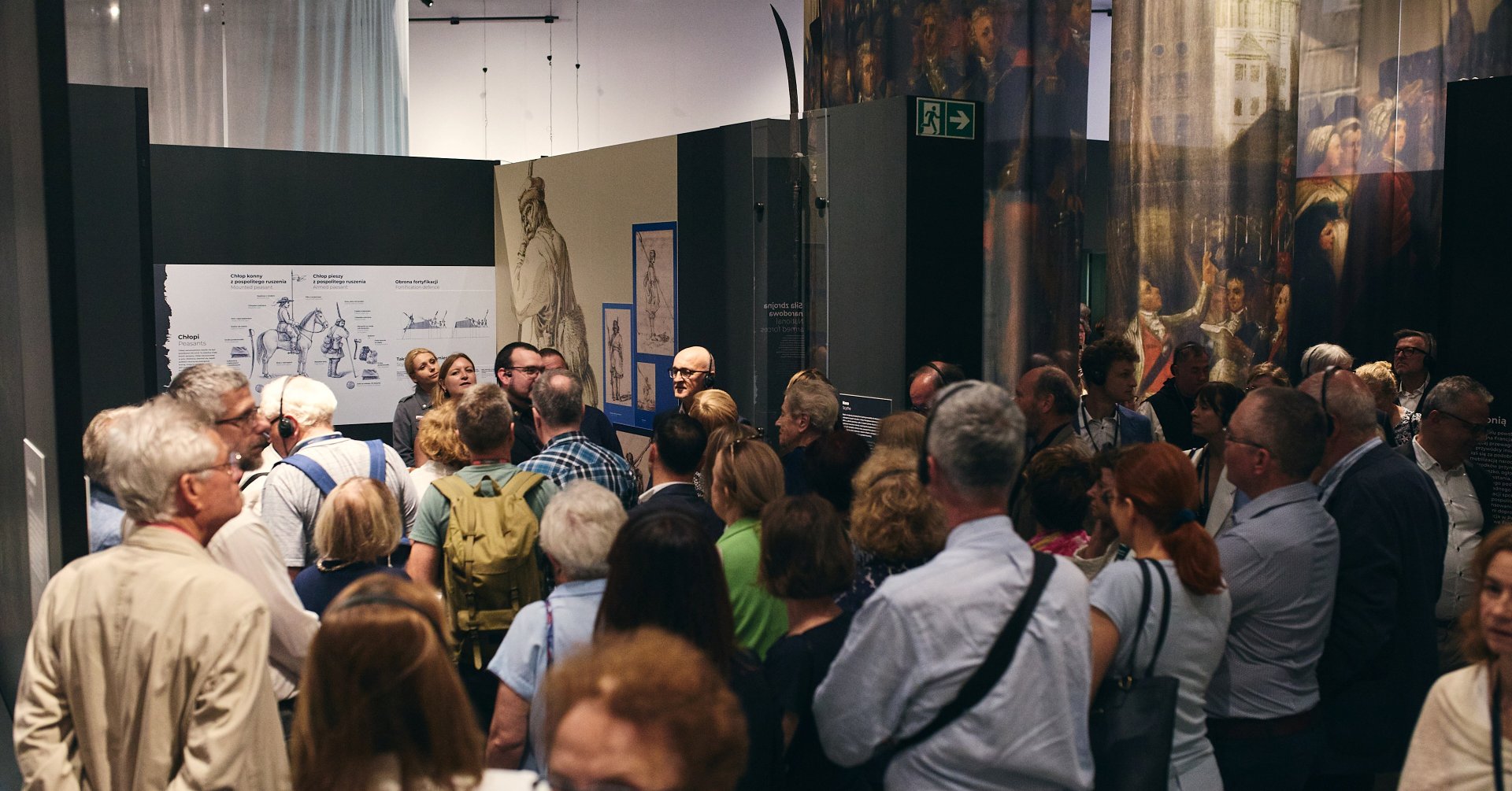
On August 20, 2025, the Polish History Museum hosted the opening of a new temporary exhibition: "THE INSURGENT REPUBLIC. The Kościuszko Insurrection and its Traditions.”
The exhibition presents a breakthrough moment in Poland’s history – the end of the old order and the birth of a modern community. It tells the story of an armed uprising that, for the first time, united different social groups: peasants, townspeople, nobility, and elites – in the fight for a common cause.
The opening ceremony was attended by, among others, Piotr Rypson, Director of the Department of Cultural Heritage at the Ministry of Culture and National Heritage (MKiDN), Professor Marcin Napiórkowski, Director of the Polish History Museum, as well as numerous representatives of the diplomatic corps, the media, and cultural circles. The event was highlighted by a recital by Kamila Sacharzewska, who performed works by Fryderyk Chopin.
“The exhibition “the Insurgent Republic” allows us to rediscover not only Kościuszko but also the very idea of the insurrection. It lets us notice blind spots and hidden corners, and realize how little we still know about this key theme of Polish history,” emphasized Prof. Marcin Napiórkowski, Director of the Museum and co-creator of the exhibition’s concept.
“We cannot overlook the tradition of uprisings as a thread of continuity between the old and the present Republic of Poland. Nine generations separate us from Kościuszko’s times – that is not so many,” added the exhibition’s curator, Prof. Richard Butterwick-Pawlikowski.
The professor also stressed that the title of the exhibition poses a question about community: “What does the insurgent tradition mean to us – individually and collectively? What does the Republic of Poland mean to us? And who is Kościuszko for us?”
The exhibition’s narrative follows the life of Kościuszko – from his childhood in Polesia and studies at the School of Chivalry, through his participation in the American War of Independence, to the dramatic events of 1794. At its core is the story of the uprising: from conspiracy and the oath on Kraków’s main square, to the battles for Warsaw and Vilnius.
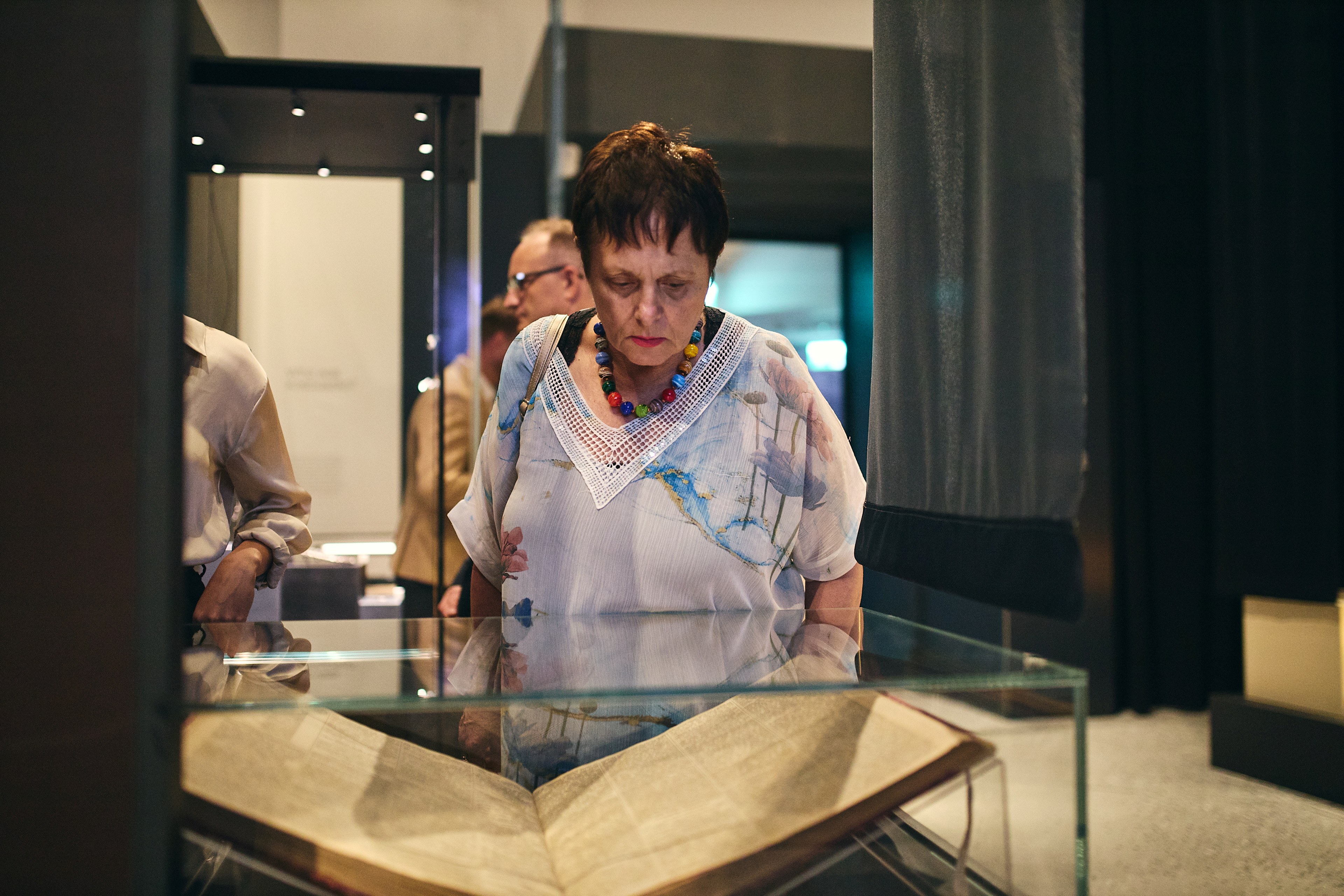
The collection of objects – weapons, documents, drawings by Norblin and Orłowski, battle models, and personal mementos – brings the atmosphere of the era closer to visitors. Among the most valuable exhibits is, for example, the school notebook of young Tadeusz Kościuszko.
The exhibition concludes with a reflection on the legacy of the uprisings and their significance for subsequent generations – from the January 1863 insurgents, through the soldiers of the Second Polish Republic, to the activists of “Solidarity.”
The exhibition is accompanied by educational and cultural events, including the play “Kościuszko in Martinique” and a catalogue available in both Polish and English.
♦ The exhibition will run until November 23, 2025.
The opening ceremony was attended by, among others, Piotr Rypson, Director of the Department of Cultural Heritage at the Ministry of Culture and National Heritage (MKiDN), Professor Marcin Napiórkowski, Director of the Polish History Museum, as well as numerous representatives of the diplomatic corps, the media, and cultural circles. The event was highlighted by a recital by Kamila Sacharzewska, who performed works by Fryderyk Chopin.
“The exhibition “the Insurgent Republic” allows us to rediscover not only Kościuszko but also the very idea of the insurrection. It lets us notice blind spots and hidden corners, and realize how little we still know about this key theme of Polish history,” emphasized Prof. Marcin Napiórkowski, Director of the Museum and co-creator of the exhibition’s concept.
“We cannot overlook the tradition of uprisings as a thread of continuity between the old and the present Republic of Poland. Nine generations separate us from Kościuszko’s times – that is not so many,” added the exhibition’s curator, Prof. Richard Butterwick-Pawlikowski.
The professor also stressed that the title of the exhibition poses a question about community: “What does the insurgent tradition mean to us – individually and collectively? What does the Republic of Poland mean to us? And who is Kościuszko for us?”
The exhibition’s narrative follows the life of Kościuszko – from his childhood in Polesia and studies at the School of Chivalry, through his participation in the American War of Independence, to the dramatic events of 1794. At its core is the story of the uprising: from conspiracy and the oath on Kraków’s main square, to the battles for Warsaw and Vilnius.
The collection of objects – weapons, documents, drawings by Norblin and Orłowski, battle models, and personal mementos – brings the atmosphere of the era closer to visitors. Among the most valuable exhibits is, for example, the school notebook of young Tadeusz Kościuszko.
The exhibition concludes with a reflection on the legacy of the uprisings and their significance for subsequent generations – from the January 1863 insurgents, through the soldiers of the Second Polish Republic, to the activists of “Solidarity.”
The exhibition is accompanied by educational and cultural events, including the play “Kościuszko in Martinique” and a catalogue available in both Polish and English.
♦ The exhibition will run until November 23, 2025.
Honorary Patronage: Marta Cienkowska, Minister of Culture and National Heritage.
Curators: Michał Bąk, Richard Butterwick-Pawlikowski
Conservation Supervision: Ewa Proniewicka
Coordination: Aniela Mikuła, Iwona Jesionowska, Aleksandra Nasiorowska
The exhibition was co-financed by the Ministry of Culture and National Heritage.
Phonogram Production: Fryderyk Chopin Institute
Exhibition Design and Execution: New Amsterdam
Curators: Michał Bąk, Richard Butterwick-Pawlikowski
Conservation Supervision: Ewa Proniewicka
Coordination: Aniela Mikuła, Iwona Jesionowska, Aleksandra Nasiorowska
The exhibition was co-financed by the Ministry of Culture and National Heritage.
Phonogram Production: Fryderyk Chopin Institute
Exhibition Design and Execution: New Amsterdam