
reading time:
Presidents of Poland and Lithuania’s joint visit to the Polish History Museum
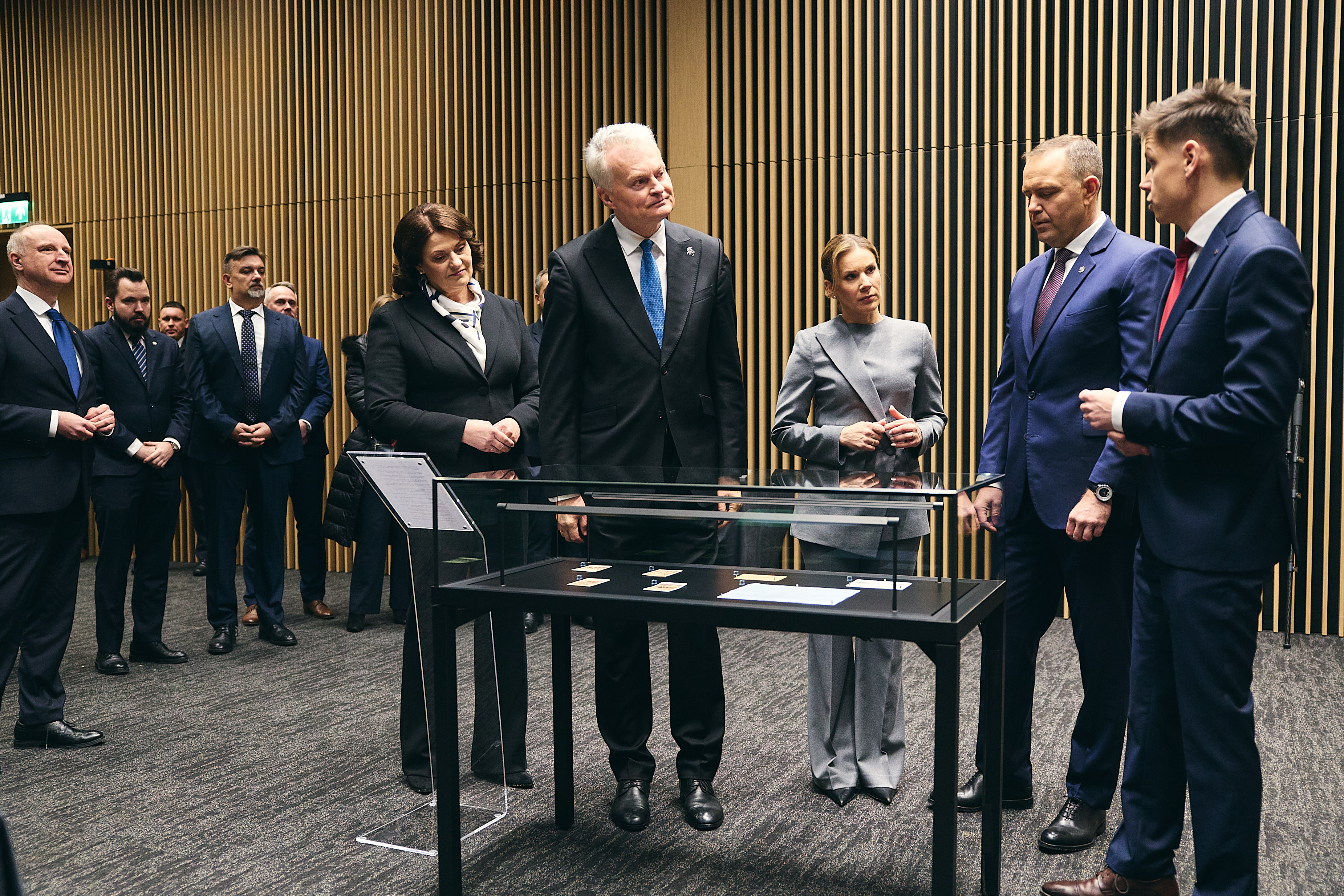
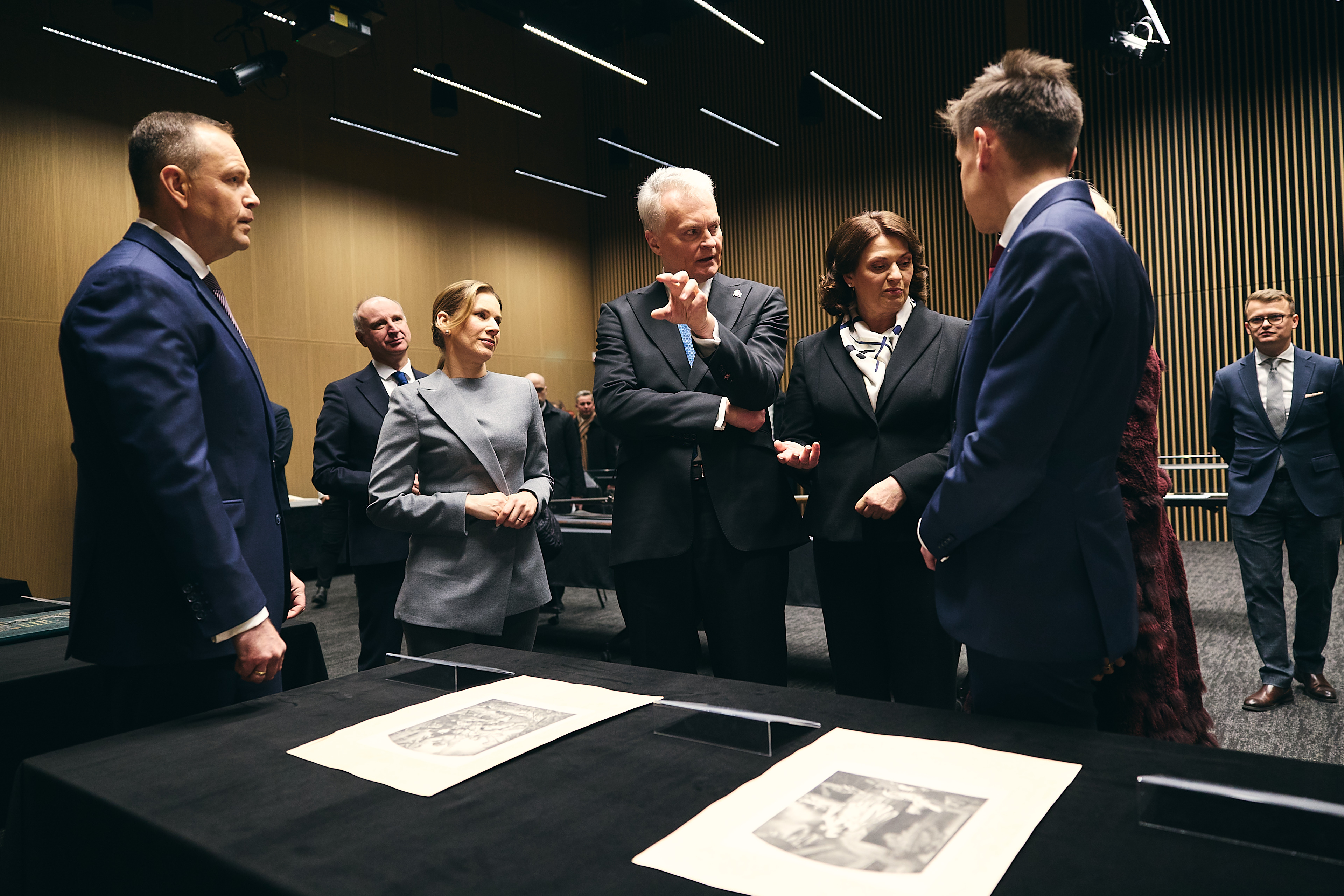
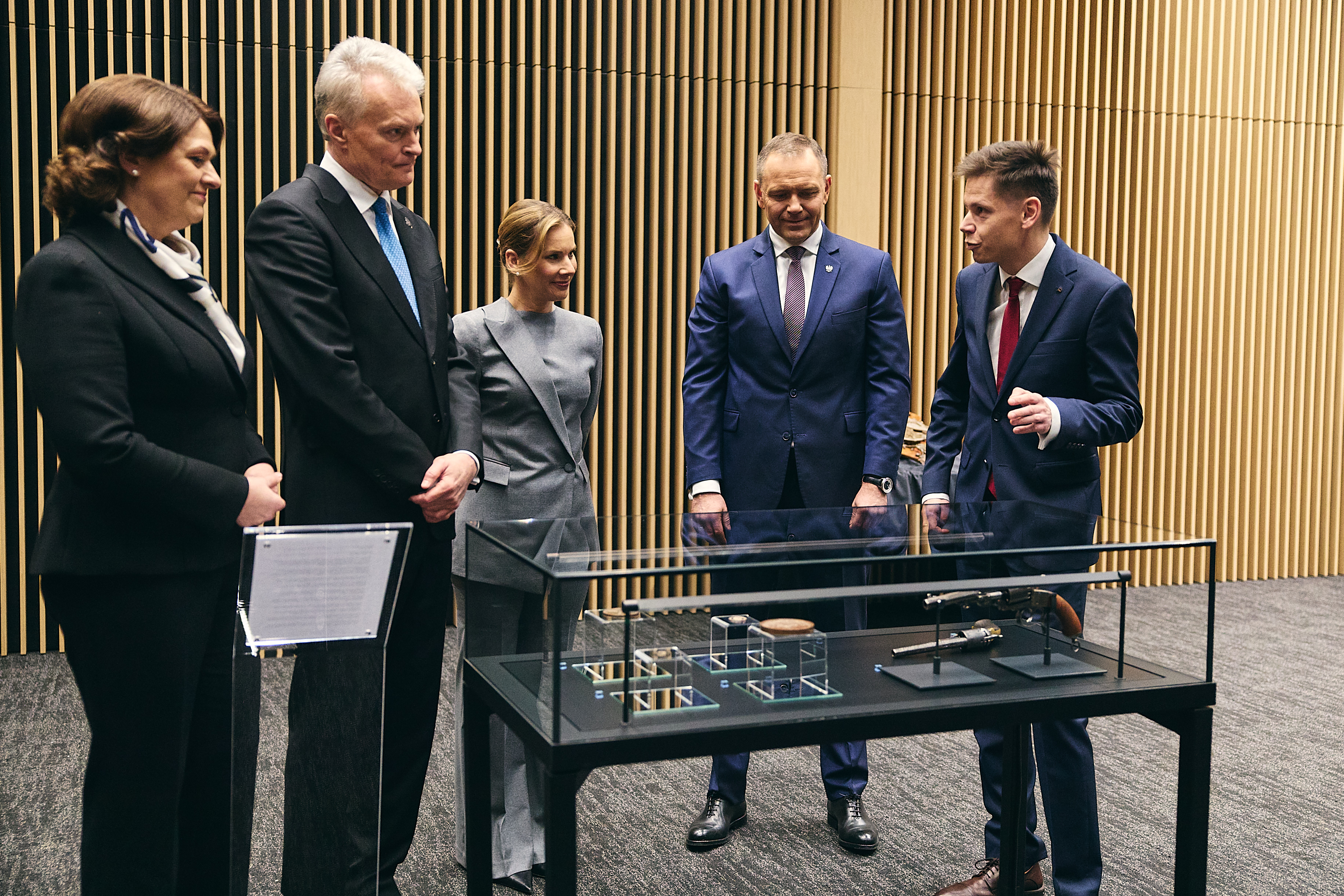
On January 24, 2026, the Polish History Museum was visited by the Presidents of the Republic of Poland, Karol Nawrocki, and of the Republic of Lithuania, Gitanas Nausėda. The visit was a symbolic journey through the two nations’ shared past—from the era of the Polish–Lithuanian Commonwealth to the 19th-century independence uprisings.
A symbolic journey through shared history
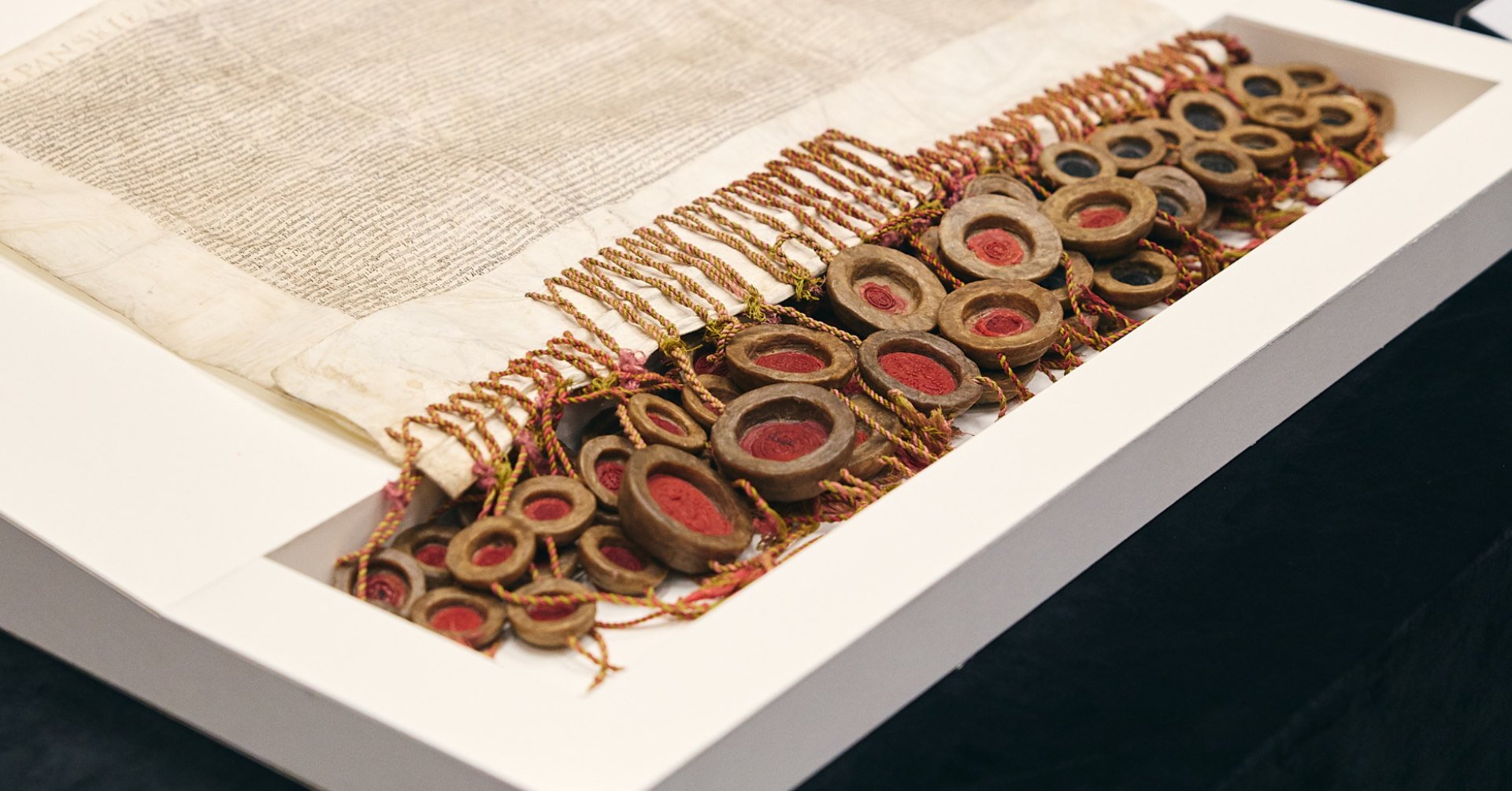
Among the objects on display were priceless treasures from the Jagiellonian and early modern periods: the original chronicle by Maciej Miechowita from the time of Sigismund I the Old, a map of the lands of the Commonwealth from the late sixteenth century, and a conservation facsimile of the Act of the Union of Lublin. These exceptional exhibits recalled the foundations of shared statehood, political culture, and a centuries-long tradition that remains an important point of reference for Polish–Lithuanian relations.
A special place in the programme was devoted to the January Uprising—the largest joint insurrection of Poles, Lithuanians, and Ruthenians against Tsarist Russia. The presidents viewed unique items documenting the activities of the National Government of 1863, including clandestine documents for couriers and commissioners bearing a three-part seal with the coats of arms of Poland, Lithuania, and Ruthenia—an eloquent symbol of continuity with the traditions of the former Commonwealth.
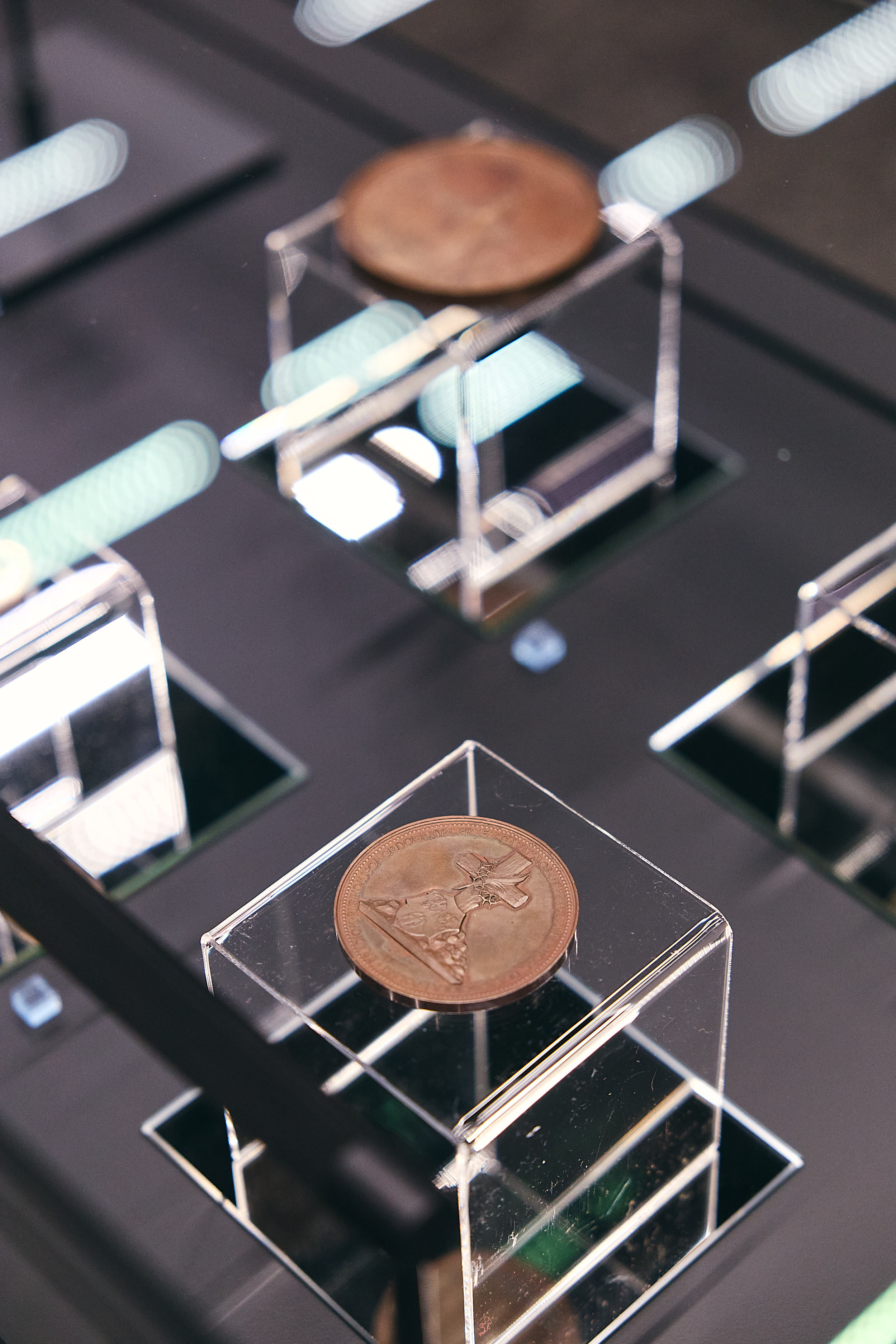
The military artefacts of the period made a powerful impression: war scythes, rifles, and revolvers, as well as mementos and medals commemorating participants in the fighting. Complementing the military narrative were unique examples of patriotic jewelry—brooches, rings, and combs rich in national symbolism—testifying to the rise of modern patriotism that permeated all social strata.
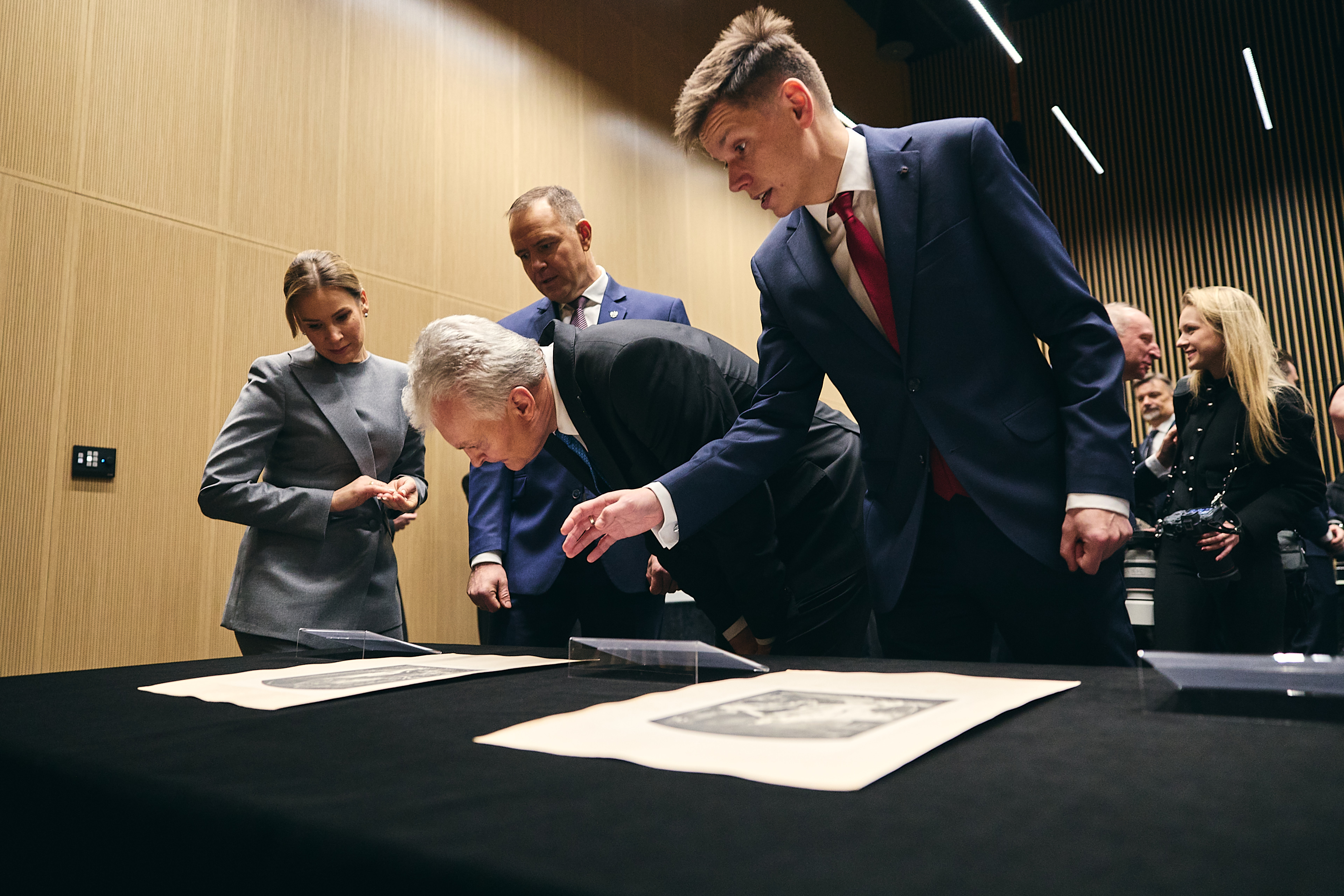
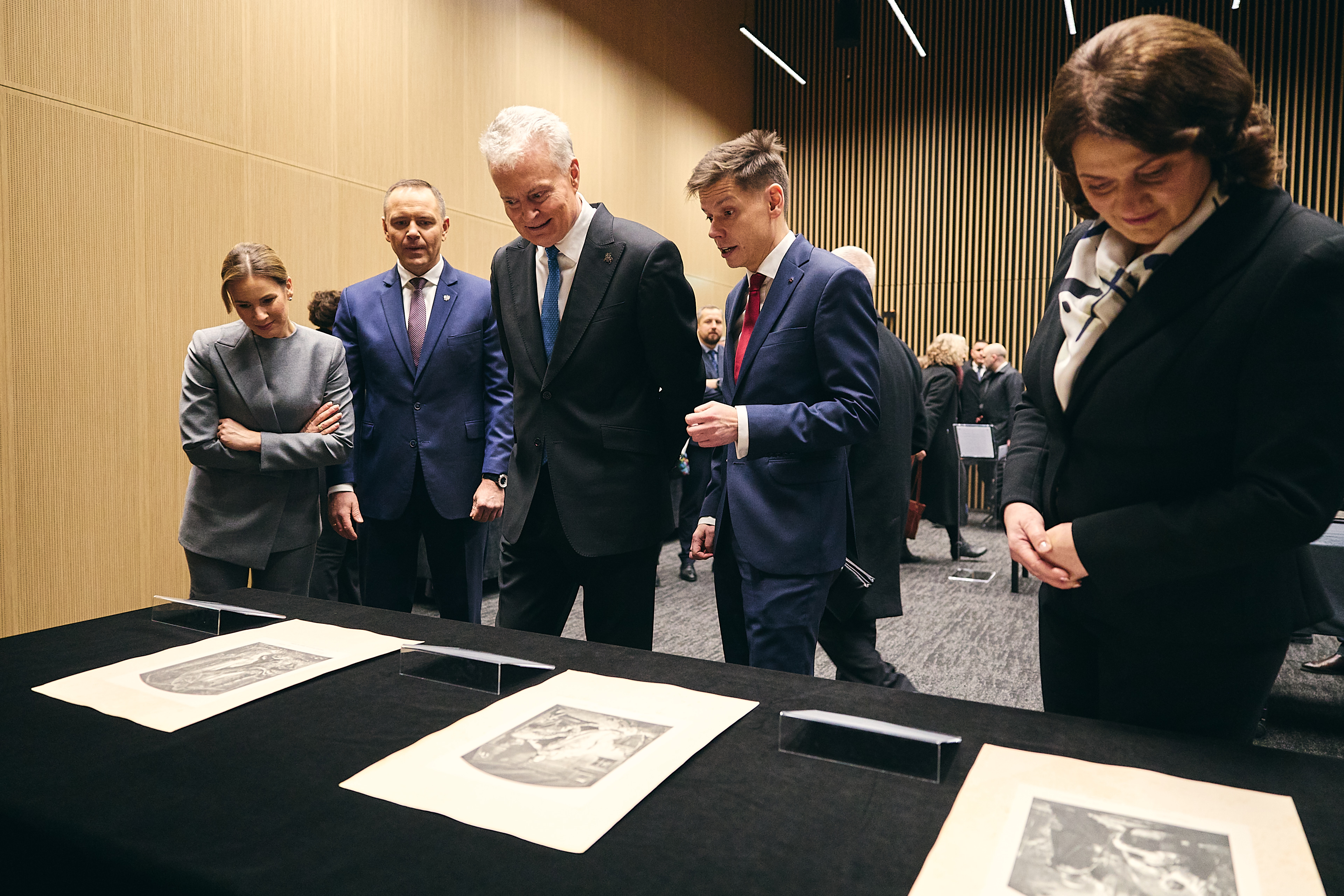
The story was rounded out by artistic visions of the uprising—above all, Artur Grottger’s prints from the “Lithuania” series—and photographs of insurgent leaders and soldiers, lending the narrative a personal and emotional dimension.
The presidents’ visit to the Polish History Museum thus became not only an opportunity to encounter the material witnesses of a shared past, but also a symbolic gesture confirming the continuity and ongoing relevance of the Polish–Lithuanian heritage. The experience of cooperation, solidarity, and the joint struggle for independence remains an important point of reference for contemporary relations between Poland and Lithuania.
A special place in the programme was devoted to the January Uprising—the largest joint insurrection of Poles, Lithuanians, and Ruthenians against Tsarist Russia. The presidents viewed unique items documenting the activities of the National Government of 1863, including clandestine documents for couriers and commissioners bearing a three-part seal with the coats of arms of Poland, Lithuania, and Ruthenia—an eloquent symbol of continuity with the traditions of the former Commonwealth.
The military artefacts of the period made a powerful impression: war scythes, rifles, and revolvers, as well as mementos and medals commemorating participants in the fighting. Complementing the military narrative were unique examples of patriotic jewelry—brooches, rings, and combs rich in national symbolism—testifying to the rise of modern patriotism that permeated all social strata.
The story was rounded out by artistic visions of the uprising—above all, Artur Grottger’s prints from the “Lithuania” series—and photographs of insurgent leaders and soldiers, lending the narrative a personal and emotional dimension.
The presidents’ visit to the Polish History Museum thus became not only an opportunity to encounter the material witnesses of a shared past, but also a symbolic gesture confirming the continuity and ongoing relevance of the Polish–Lithuanian heritage. The experience of cooperation, solidarity, and the joint struggle for independence remains an important point of reference for contemporary relations between Poland and Lithuania.